

The African college of excellence in the social and human sciences
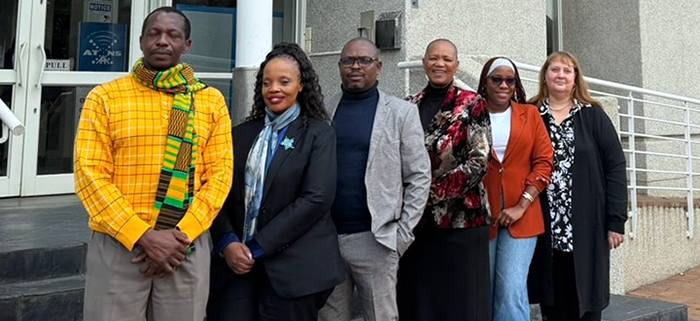
From left, Dr Daniel Mosako, Acting Chair of the Department of Art and Music, Dr Refiloe Mabaso, ATNS Head of Information and Knowledge Management, Mbongeni Maqashelana, ATNS Chief Business Officer, Prof Zethu Nkosi, CHS Executive Dean, Dr Mandisa Msomi, Department of Information Science, and Prof Lorette Jacobs, CHS Tuition Manager
The University of South Africa’s College of Human Sciences (CHS) continues to strengthen its commitment to engaged scholarship, heritage preservation and innovation through its strategic collaboration with Air Traffic and Navigation Services (ATNS) on the development of a Hybrid Aviation Museum.
The museum technical specifications workshop, held on 18 May 2026 at the ATNS head office in Johannesburg, brought together academics, aviation specialists, ICT experts, heritage practitioners and strategic stakeholders to discuss the future direction, technical framework and implementation roadmap of the museum initiative.
The initiative forms part of the broader Unisa–ATNS collaboration, established through an engaged scholarship project and formalised in a memorandum of understanding, aimed at preserving South Africa’s aviation heritage while advancing research, innovation, education and digital transformation.
The workshop commenced with opening and welcome remarks by Mbongeni Maqashelana, ATNS Chief Executive Officer, followed by keynote remarks from Prof Zethu Nkosi, CHS Executive Dean, who reaffirmed Unisa’s commitment to the museum collaboration and highlighted the importance of preserving aviation history through sustainable partnerships between academia and industry.
Prof Lorette Jacobs, CHS Tuition Manager, presented the project context, objectives and stakeholder roles, emphasising the vision of developing a pioneering hybrid aviation museum that integrates both physical and digital experiences to promote research, education, innovation and public engagement.
A technical presentation was delivered by Dr Rachel Mahlatji from the Department of Information Science, who outlined the proposed technical specifications and implementation considerations for the museum project. The presentation focused on digital infrastructure, preservation systems, accessibility and long-term sustainability measures required to support the virtual and future physical museum environment.
Dr Mandisa Msomi, Department of Information Science, and Dr Refiloe Mabaso, ATNS, co-project leaders of the Unisa and ATNS initiatives, further emphasised the importance of unity, collaboration and collective commitment in driving the continued success of the ATNS–Unisa museum initiative. They highlighted that the project's sustainability depends on strong partnerships, a shared vision and ongoing stakeholder engagement between Unisa and ATNS.
On the Unisa side, the museum initiative is led by Dr Daniel Mosako, Acting Chair of the Department of Art and Music, who continues to drive strategic coordination, stakeholder collaboration and the broader vision of positioning the museum as a national aviation heritage and knowledge hub.
The workshop further included technical brainstorming sessions and collaborative discussions aimed at refining the implementation strategy, identifying technical priorities and strengthening institutional cooperation. Discussions concluded with implementation planning, technical development processes and future project phases aimed at ensuring the successful establishment of the Hybrid Aviation Museum.
The initiative continues to position Unisa and the College of Human Sciences at the forefront of engaged scholarship and transformative partnerships that preserve national heritage while contributing towards research, innovation and societal impact.
* By Nnana Martina Jege, Communications and Marketing Specialist, College of Human Sciences
Publish date: 2026-05-27 00:00:00.0
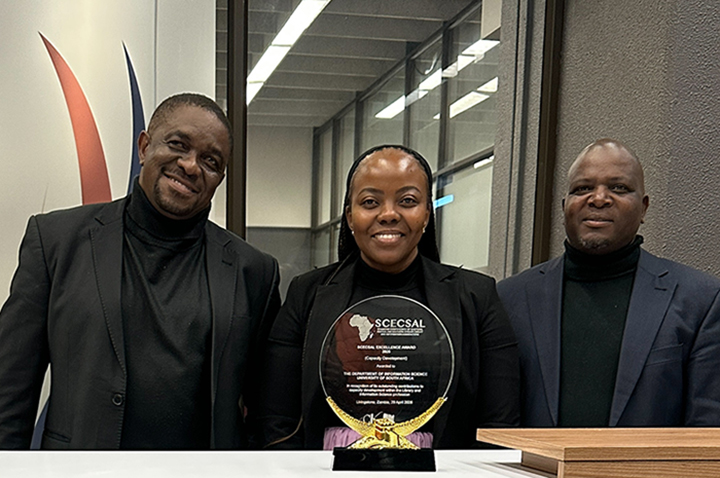 Unisan receives prestigious information science award
 Unisa marks World Book and Copyright Day with focus on African scholarship
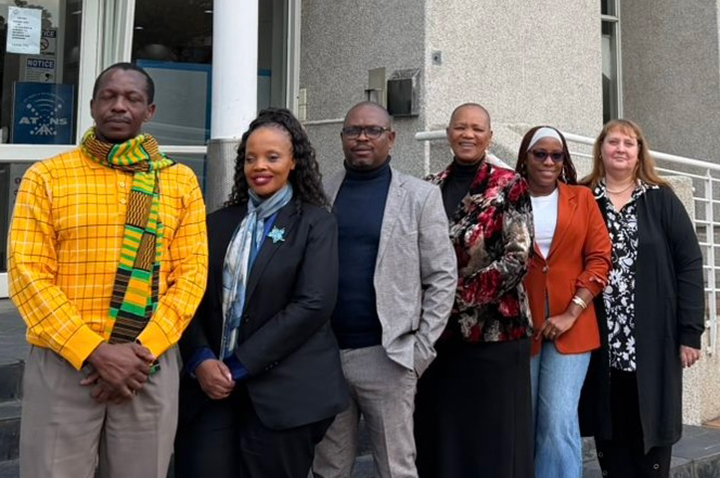 Unisa and ATNS advance aviation museum initiative
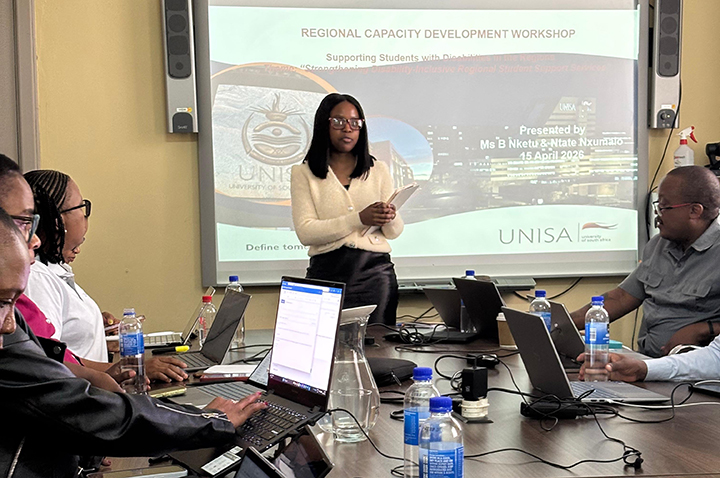 Unisa's Regional Capacity Development Programme empowers students and staff
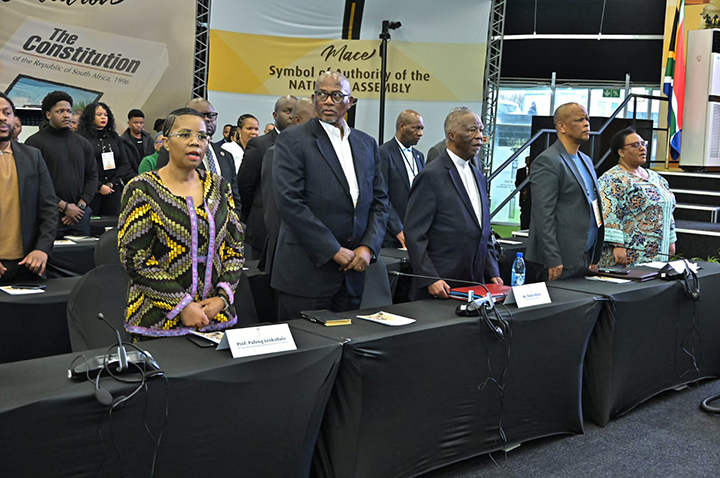 Unisa colloquium reflects on the Constitution's 30th anniversary