
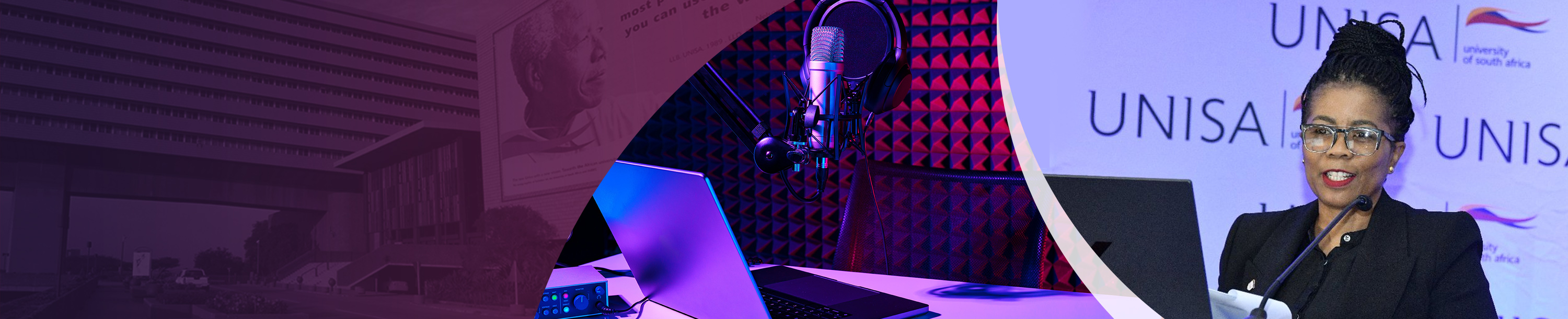

The University of South Africa (Unisa) Library and Information Services (LIS) commemorated World Book and Copyright Day through a webinar with the theme "Symphony of Stories: African Scholarship and Epistemology".
The event brought together academics, librarians, authors and students to reflect on reading culture, African knowledge systems, multilingualism, artificial intelligence (AI) and equitable access to information.
Opening the session, Sizakele Nkosi, Director at the Unisa LIS, emphasised the importance of storytelling and reading in preserving African identity and strengthening literacy across communities. She encouraged institutions, libraries and schools to promote reading and indigenous narratives actively.
Delivering the keynote address, Prof Collins Chisita, Senior Lecturer at the Durban University of Technology, challenged participants to rethink libraries and scholarship within the context of African epistemologies and technological transformation.
"We had libraries in Africa long before modernity," he said, referencing Timbuktu and Alexandria as historical centres of African scholarship.
Chisita described reading as a key indicator of societal development. "If you want to measure the intellectual health of a nation, you look at their levels of reading," he advised. "If the reading level is low, it means the intellectual health is also very low."
Addressing AI and open scholarship, he stressed the importance of balancing technology with human values. "Human beings should lead technology rather than technology leading human beings," he said. "Technology must embed the ethos of humanity, Ubuntu and personhood."
Chisita also called for more democratic access to knowledge and criticised restrictive publishing systems that limit access to information.
Author and academic Dr Bongi Mhlongo encouraged participants to embrace both reading and writing, particularly in African languages, saying, "Readers are leaders. If you want to be a leader, read - read for knowledge, read for understanding, read for impacting the world."
She also encouraged aspiring writers to share their stories and contribute to African-language literature.
In another presentation, Dr Mzamani Mabaso, Language Specialist at Unisa Language Services, reflected on multilingualism and student experiences in the Unisa Library environment. He praised librarians for creating inclusive and supportive spaces for users from different linguistic backgrounds.
The webinar concluded with a collective call for continued investment in libraries, literacy programmes, indigenous knowledge systems and inclusive access to knowledge.
* By Itumeleng Mpete, Marketing Coordinator, Library and Information Services
Publish date: 2026-05-27 00:00:00.0
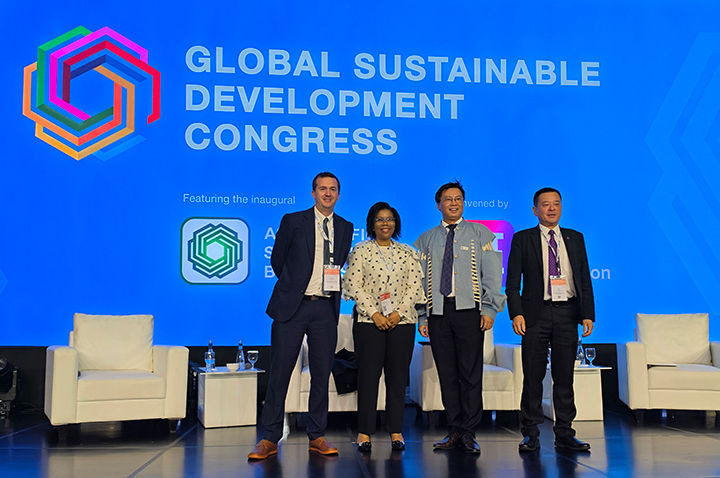 Prof LenkaBula brings African scholarship and women's leadership to global sustainability dialogue
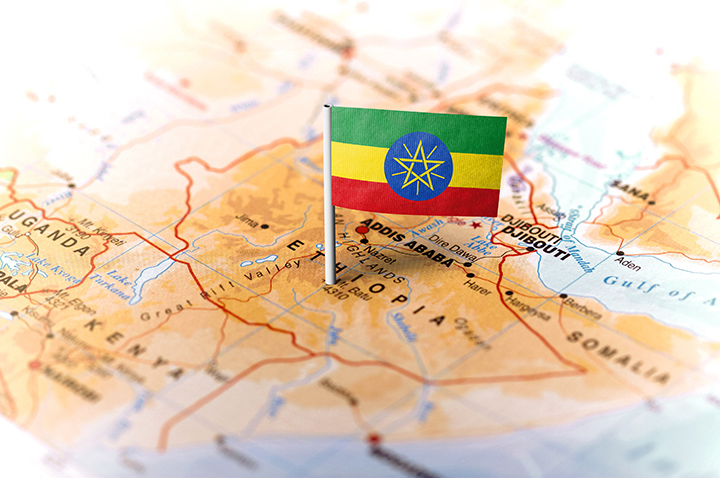 Unisa welcomes new Ethiopian postgraduates and hosts experience-sharing session
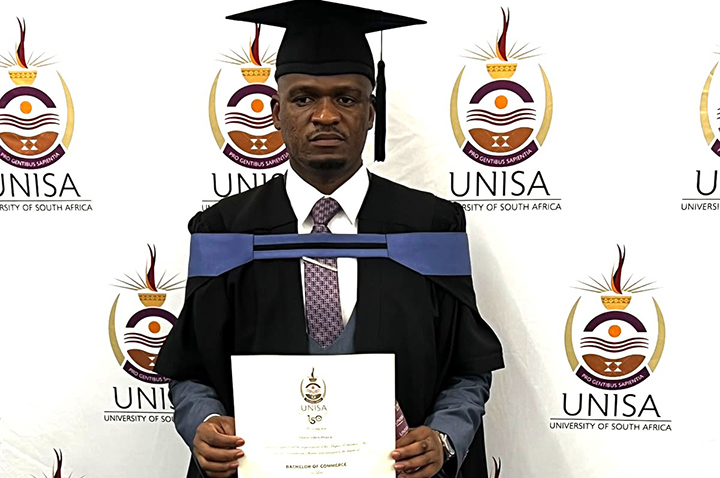 Completing study tasks early reduces last-minute pressure, says RSRC graduate
 Outgoing Limpopo RSRC members lead by example
 Resilience beyond the finish line