

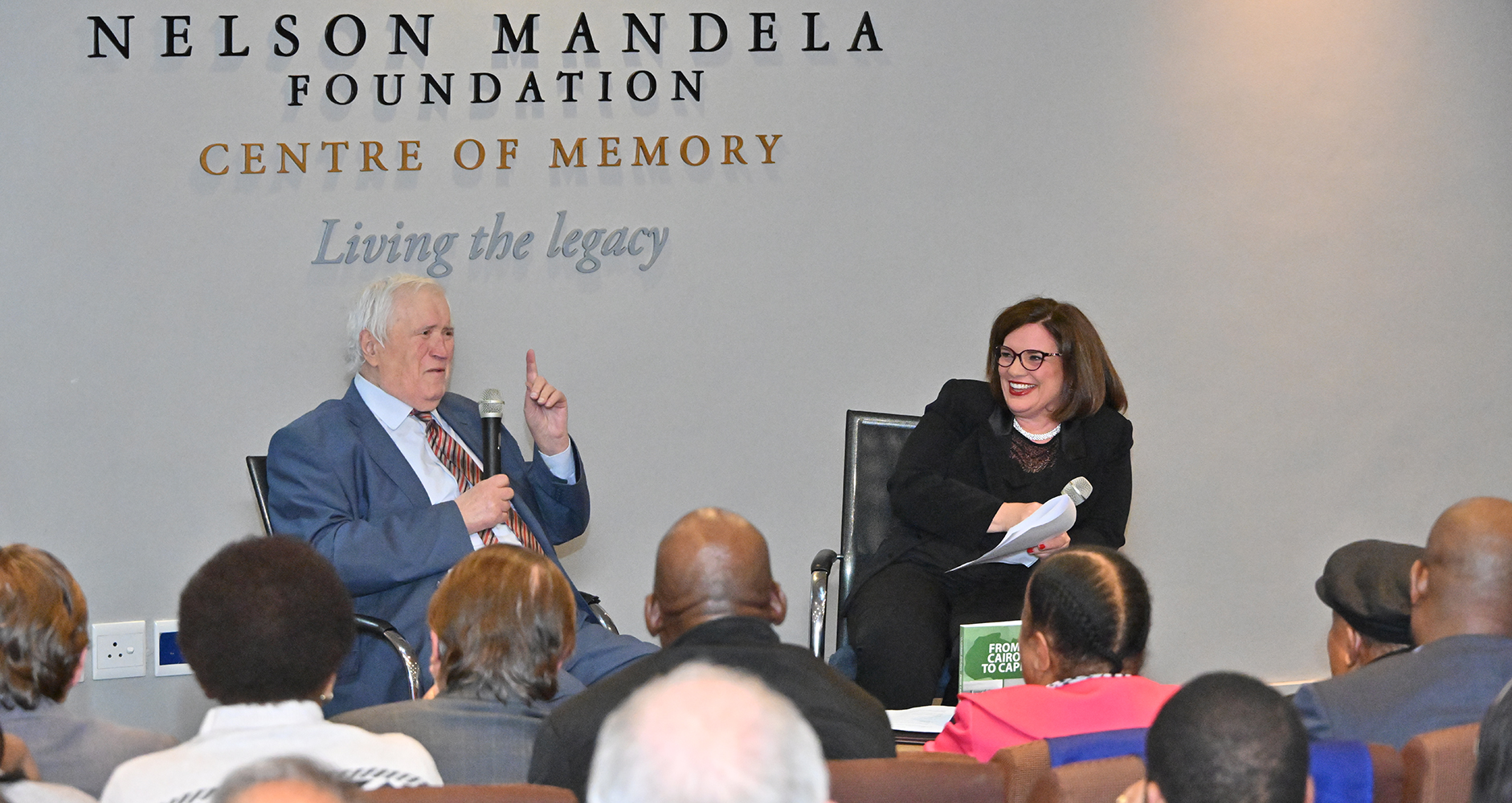
Prof Vladimir Shubin, author of From Cairo to Cape, with conversation facilitator Shannon Ebrahim, an International Relations specialist
The University of South Africa (Unisa), through Unisa Press, has brought renewed attention to Africa's liberation history and the international alliances that helped shape the continent's political future with the launch of From Cairo to Cape, a book by renowned Russian historian and scholar Prof Vladimir Shubin.
Hosted in collaboration with the Nelson Mandela Foundation and the Thabo Mbeki African School, the launch took place at the Nelson Mandela Foundation in Houghton, Johannesburg.
The event brought together prominent political figures, liberation struggle veterans, academics, researchers and policymakers to reflect on the historical relationship between Africa and the former Soviet Union, particularly its support for liberation movements fighting colonialism and apartheid.
Drawing on Shubin's first-hand experiences as both a scholar and a former Soviet official, From Cairo to Cape offers an insider's perspective on the diplomatic, ideological, political and military dimensions of Soviet involvement in Africa's liberation struggles.
The publication also raises important questions about how historical alliances continue to influence contemporary relations between African countries and global powers, particularly as Russia seeks to expand its diplomatic, economic and strategic presence on the continent.
At the heart of the book is an examination of the Soviet Union's relationship with African liberation movements, including the African National Congress (ANC) and its military wing, Umkhonto we Sizwe (MK).
Unlike many historical accounts that rely primarily on secondary research, Shubin draws extensively on his direct involvement in Soviet solidarity initiatives and his experiences working with liberation movements during some of the most significant periods in Southern Africa's political history.
Through 31 chapters, he examines the political relationships, diplomatic engagements and practical assistance that characterised Soviet support for African independence and liberation movements.
The book explores how these relationships developed, the strategic considerations behind them and their influence on political developments across the continent.
It also places Africa's liberation struggles within a broader international context, tracing political and ideological connections extending beyond the continent to regions including the Middle East and South Asia.
For historians and researchers, the publication provides an opportunity to engage with a perspective shaped by direct participation in events that continue to influence contemporary African politics.
However, as with other first-hand historical accounts, Shubin's experiences also invite critical engagement with the perspectives, motivations and political interests of those involved.
The launch attracted several prominent South African political figures whose contributions and experiences are closely connected to the country's democratic history.
Among those in attendance were former President Kgalema Motlanthe, former International Relations and Cooperation Minister Dr Naledi Pandor, Minister of Science, Technology and Innovation Blade Nzimande, former Cabinet ministers Dr Nkosazana Dlamini-Zuma and Lindiwe Zulu, and liberation struggle veteran Mavuso Msimang.
Their presence reflected the historical significance of the subject and the continuing interest in understanding the international relationships that contributed to South Africa's transition to democracy.
The programme was facilitated by Unisa Press Director Dr Meiya Nthoesane and featured an introduction to Shubin, an exploration of the book's central arguments and an interactive discussion.
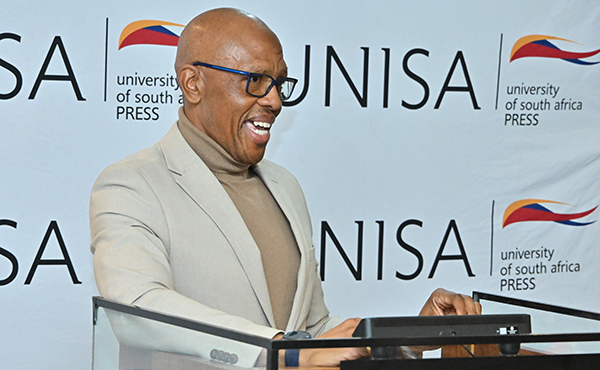
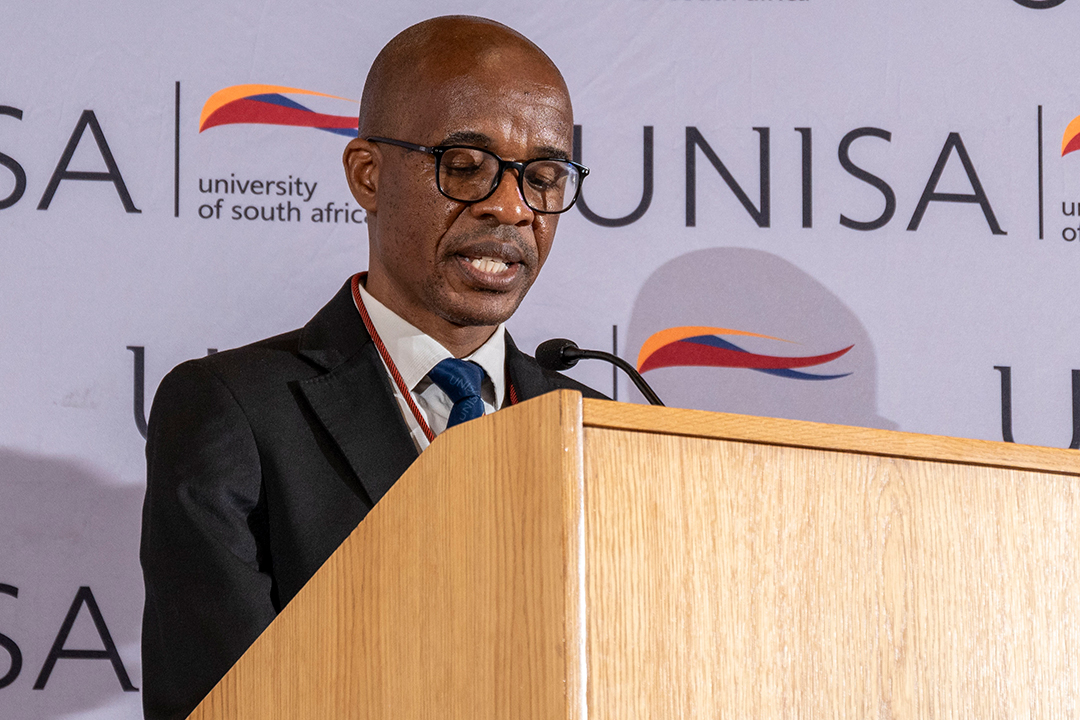
Unisa Press Director Dr Meiya Nthoesane
International relations specialist and former foreign editor Shannon Ebrahim facilitated the question-and-answer session, providing an opportunity for participants to engage with the author on the historical and contemporary significance of Soviet-African relations.
The evening concluded with a reception and book-signing session.
Born on 9 July 1939, Shubin is a Russian historian, author and specialist in African studies who serves as a Principal Research Fellow at the Institute for African Studies of the Russian Academy of Sciences.
His contribution to the study of African liberation movements is informed by an unusual combination of academic research and direct political involvement.
From the late 1960s, he participated in Soviet initiatives supporting liberation movements across Southern Africa, including those opposing apartheid in South Africa.
As Secretary of the Soviet Afro-Asian Solidarity Committee, Shubin helped coordinate solidarity activities that included assistance to South African students, material support for liberation organisations and medical treatment for wounded and ill ANC members.
He also participated in Soviet delegations to international conferences addressing political developments in Southern Africa.
Between 1982 and 1991, while working in the International Department of the Communist Party of the Soviet Union, Shubin was involved in coordinating support for MK.
His responsibilities included matters relating to personnel training, guidance for instructors at MK camps in Angola and the provision of military and civilian supplies.
In recognition of his contribution to the struggle against apartheid and colonialism in Southern Africa, the South African government awarded him the Order of the Companions of O.R. Tambo in Silver.
His personal involvement in these historical developments gives From Cairo to Cape a distinctive perspective, offering readers insights into decisions and relationships that are not always fully captured in conventional historical narratives.
Although the book focuses substantially on historical events, its publication comes at a time of renewed international interest in Russia's relationship with Africa.
Russia's growing diplomatic engagement with African governments, the continuing consequences of the Russia-Ukraine war and shifting global security arrangements have placed Moscow's foreign policy ambitions under increased scrutiny.
These developments have also revived debates about the historical foundations of Russia-Africa relations and the extent to which past solidarity continues to influence contemporary diplomatic positions.
Against this background, From Cairo to Cape provides historical context for understanding the political relationships that developed during the Cold War and how they have evolved.
The book also explores the intersection of geopolitics, resource diplomacy and security cooperation, offering readers a broader understanding of the strategic interests that have shaped international engagement with Africa.
Prof Sifiso Mxolisi Ndlovu describes the publication as an important exploration of the relationship between history and the present.
He draws attention to Shubin's engagement with different approaches to historical interpretation and the book's geographical scope, which extends from Egypt and Southern Africa to Yemen, Afghanistan and South Asia.
These perspectives encourage readers to consider Africa's liberation struggles not as isolated national events, but as part of a wider international political landscape shaped by competing ideologies, strategic alliances and movements for self-determination.
The publication reflects Unisa Press's role in advancing scholarly debate, preserving historical knowledge and making research accessible to audiences beyond academia.
By publishing accounts that examine Africa's political history and international relationships, the university contributes to a deeper understanding of the forces that have shaped the continent's development.
The initiative also aligns with Unisa's scholarly interests in African history, political transformation, decolonisation and the production of knowledge grounded in African experiences.
The publication provides an opportunity to examine Africa's liberation history through multiple perspectives, including those of international actors who participated in supporting movements for political independence and self-determination.
It also contributes to the broader aspirations of the African Union's Agenda 2063, particularly its emphasis on African identity, shared heritage, cultural consciousness and the preservation of the continent's historical memory.
By encouraging historical scholarship and public engagement, initiatives of this nature support the principles of Sustainable Development Goal 4, which promotes quality education and lifelong learning, and SDG 16, which emphasises peaceful, inclusive societies and accountable institutions.
For students, academics and policymakers, the book offers material for examining the historical relationships that continue to influence Africa's position in international affairs.
The launch of From Cairo to Cape also reinforces the importance of documenting the experiences of those who participated directly in Africa's liberation struggles before their accounts are lost to history.
First-hand narratives can provide valuable insights into the motivations, decisions and relationships behind major political developments, while creating opportunities for further research, debate and critical historical examination.
Through its collaboration with the Nelson Mandela Foundation and the Thabo Mbeki African School, Unisa Press has helped create a platform where historical scholarship meets public dialogue.
The publication reminds readers that Africa's journey towards liberation was shaped not only by the sacrifices of people on the continent, but also by complex networks of international solidarity, political cooperation and competing geopolitical interests.
As the continent navigates new global partnerships and shifting international power relations, understanding that history remains essential to interpreting the present and making informed decisions about the future.
Click here for more news from Unisa Press.
* By Dimakatso Malema, Marketing Officer, Unisa Press
Publish date: 2026-10-13 00:00:00.0

 Unisa and iThemba LABS researcher earns international recognition for climate innovation
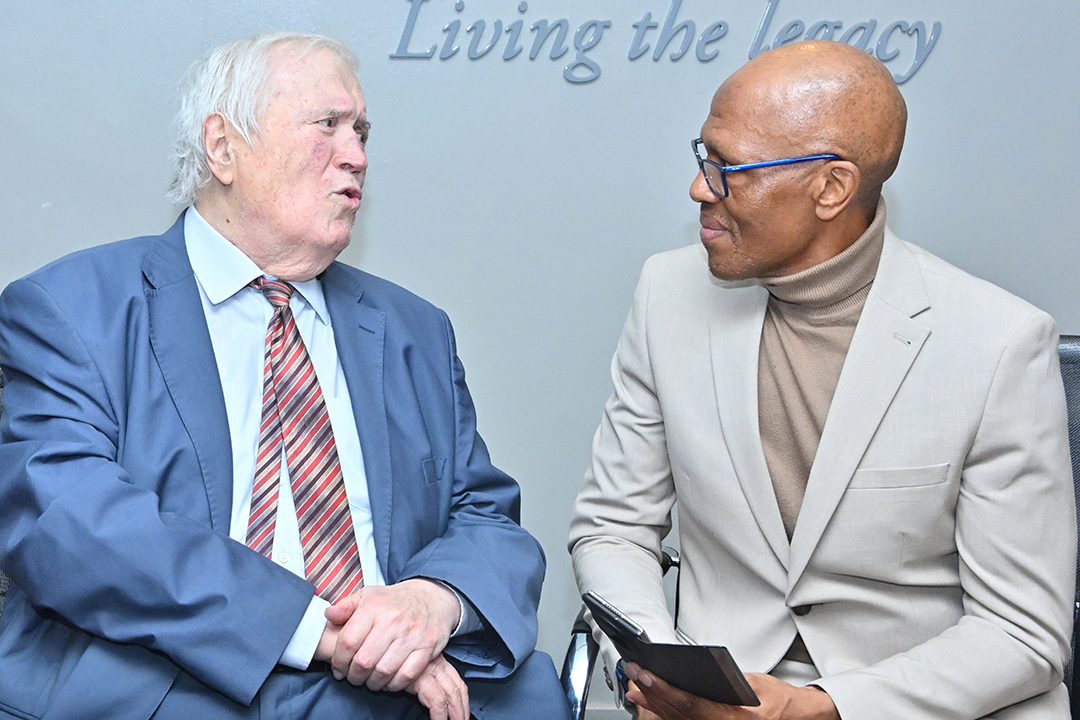 Unisa Press launches From Cairo to Cape, unpacking Soviet support for Africa's liberation struggles
 Unisa ICT leader earns global recognition at World CIO 200 Summit
 Unisa conference calls for new thinking to shape a changing world
 Unisa lecturer earns PhD after exploring ancient Egyptian and biblical narratives