
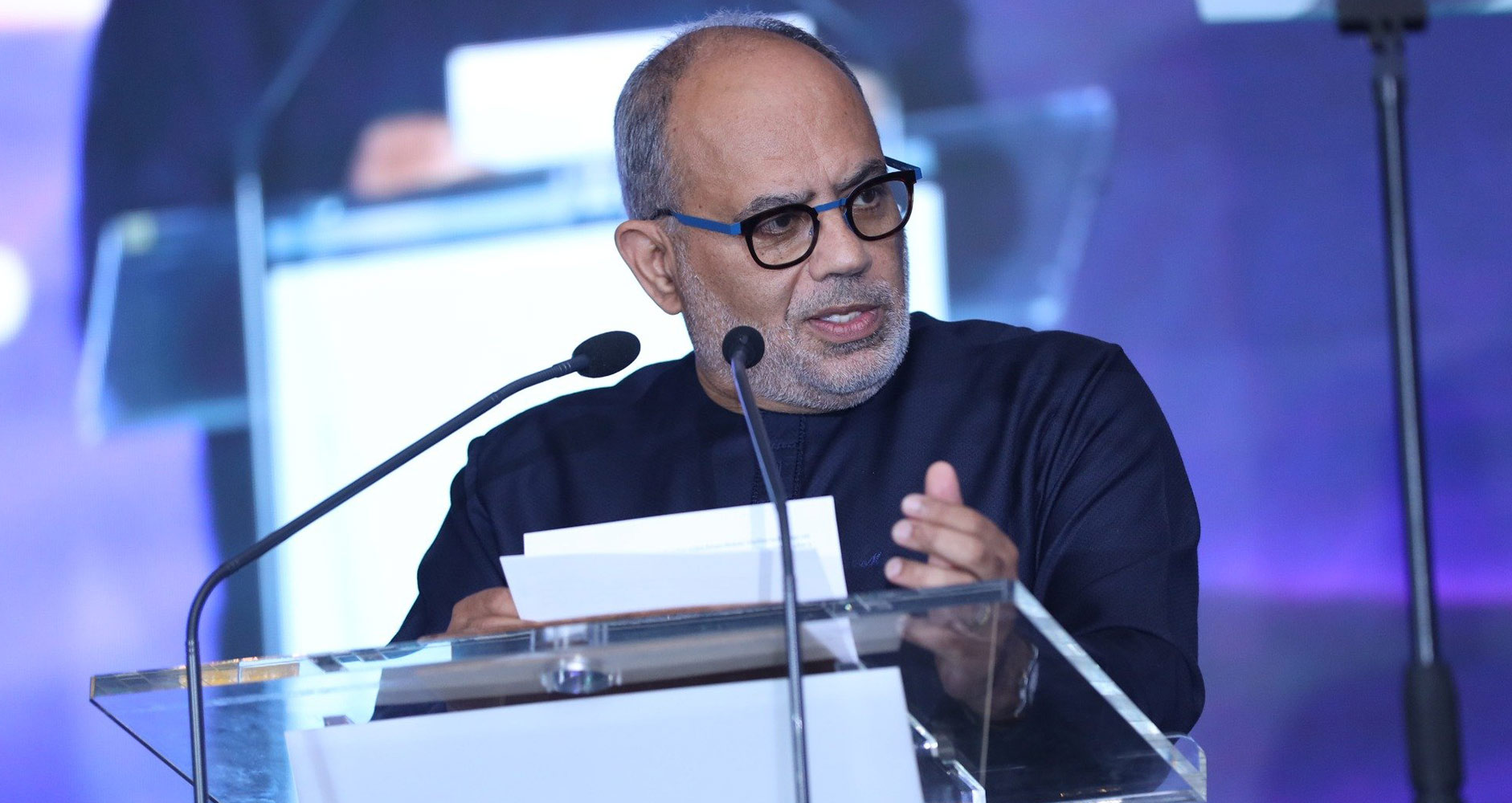
The keynote address was delivered by Prof Carlos Lopes of the Nelson Mandela School of Public Governance at the University of Cape Town.
Africa must strengthen its political and economic agency, rethink its relationship with global powers and ensure that its growing economic potential translates into meaningful development for its people.
This was the central message at the University of South Africa's (Unisa) annual Founders Lecture, held at the Maslow Hotel in Menlyn, where academics, policymakers and thought leaders gathered to reflect on the continent's future. The keynote address was delivered by Prof Carlos Lopes of the Nelson Mandela School of Public Governance at the University of Cape Town. Speaking under the theme Africa’s next chapter: Leadership, agency, and political transformation, Lopes challenged African countries to move beyond their position as participants in a global system largely shaped by others and become active architects of their own development.
Established in 2003, the Founders Lecture has become part of Unisa's annual intellectual programme, providing a platform for debate on issues affecting Africa and the wider world. It reflects the university's commitment to intellectual freedom, critical scholarship and African perspectives in public policy. In her address, Unisa Vice-Chancellor and Principal, Prof Puleng LenkaBula, reflected on the institution's 153-year history and its contribution to expanding access to higher education. She highlighted its legacy of inclusivity, including the historic awarding of a law degree to Nelson Mandela while he was imprisoned.
LenkaBula said universities had a responsibility that extended beyond teaching and research. They must contribute to societal transformation, advance knowledge and help address challenges affecting people and the planet. She pointed to Africa's projected economic growth of between 4.2% and 4.4%, but cautioned that economic expansion alone would not guarantee meaningful development. The continent must also confront unsustainable debt, create jobs and pursue structural economic changes that improve the lives of its people. Drawing on the ideas of thinkers such as Frantz Fanon and former president Thabo Mbeki, LenkaBula argued that Africa's challenge was not an absence of leadership, but the need to dismantle colonial power structures that continue to separate political and economic decision-making from the people.
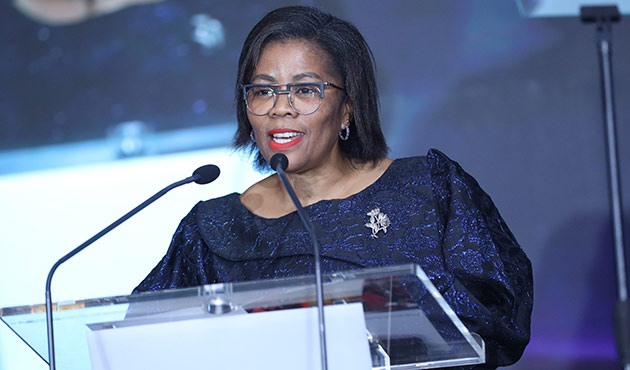
Unisa Principal and Vice-Chancellor Prof Puleng LenkaBula.
She challenged the audience to consider how African countries could reclaim policy sovereignty while dealing with mounting debt and how the continent could shape its own historical narrative rather than relying on perspectives imposed from the Global North. LenkaBula also highlighted Unisa's contribution to developing Africa's intellectual capacity through postgraduate education and research. "I'm also honoured that the University of South Africa is now number one in the country in supporting the intellectual brain trust of the country, the continent, and the world through the formation of doctoral graduates for our country, continent, and the world," she said.
She said the university's commitment to academic development had to be matched by responsible financial management and long-term institutional sustainability. Reflecting on Unisa's financial position, LenkaBula said the institution had moved from an operational runway of just eight months in 2021 to an anticipated two years by 2026. The improvement, she said, formed part of the university's efforts to strengthen its financial resilience and secure its future. In his keynote address, Lopes painted a picture of a continent facing significant opportunities and pressures, including rapid technological change, a growing youth population, climate change and shifting global geopolitics.
He cautioned African countries against mistaking increased international attention for genuine influence. The continent's natural resources, strategic location and growing population have attracted interest from global powers, but Lopes argued that African governments must use this interest to negotiate better outcomes for their economies and people. "Instead of merely accepting external rules or aligning with a single geopolitical bloc, African nations must convert this strategic attention into bargaining power and domestic productive capacity," he said.
His argument was that Africa should not simply become an arena in which competing global powers pursue their interests. Instead, countries should use their strategic importance to strengthen their negotiating positions, build domestic industries and retain more value from their resources. On climate change negotiations and global finance, Lopes emphasised the importance of financial sovereignty. He urged African states to mobilise more of the estimated US$4 trillion held in African pension funds and sovereign wealth systems to support development within the continent, rather than allowing capital to flow elsewhere. He also called for a broader understanding of industrialisation.
African countries, he argued, should move beyond processing raw materials and seek greater control over the entire productive ecosystem, including technology, design, financing and distribution. Without control over these elements, he suggested, the continent would struggle to secure the full benefits of its resources or turn its demographic potential into sustained economic development. For Africa to realise a meaningful demographic dividend, young people must be able to participate in productive economies supported by local industries, innovation and the capacity to create value.

Unisa's Kelebamang Mokgupi, Ambassador Nozipho Mxakato Diseko and Prof Divine Fuh during a panel discussion at the university’s Founders Lecture.
The keynote address was followed by a panel discussion that examined the role of universities and intellectual institutions in advancing Africa's political and economic transformation. Unisa's Kelebamang Mokgupi argued that universities must become active contributors to the continent's development rather than simply reproduce knowledge frameworks developed elsewhere. He called for greater recognition of knowledge produced by Africans for African contexts, challenging colonial hierarchies that have historically placed Western intellectual traditions above local experiences and realities.
The discussion raised broader questions about the role of higher education in shaping public policy, strengthening democratic institutions and equipping future generations to respond to the continent's challenges. Ambassador Nozipho Mxakato Diseko emphasised the importance of continental unity, describing it as one of Africa's greatest assets. She called for a stronger relationship between academic work and activism, arguing that African scholars should interrogate narratives developed by external partners when these fail to reflect the continent's strengths, interests and development priorities.
Prof Divine Fuh also focused on the need to build knowledge systems that place agency, value creation and leadership at the centre of Africa's progress. He argued that genuine agency required more than participation in international discussions. African countries and institutions needed to help design the frameworks and define the terms on which those engagements took place. Together, the panellists reinforced the importance of universities as spaces where African societies can critically examine their challenges, develop locally relevant solutions and influence the direction of public policy.
The themes raised during the lecture have implications for Unisa's role as a major African open distance and e-learning institution. The discussion on African knowledge production, intellectual independence and the development of future leaders speaks directly to the university's broader academic and research responsibilities. It also connects with its Catalytic Niche Area of Feminist, Womanist, Bosadi Theorisations, particularly where scholarship interrogates inherited systems of power and examines whose knowledge, experiences and perspectives shape society. However, the lecture's wider themes of political agency and African knowledge production should not be treated as belonging exclusively to this niche area.
The conversation also has a clear connection to Unisa's commitment to research, postgraduate education and the development of African intellectual capacity. LenkaBula's emphasis on doctoral graduates highlights the importance of producing scholars who can contribute to knowledge, public policy and institutional development across the continent. The lecture's themes resonate with several international and national development priorities. These include Sustainable Development Goal 4 on quality education, SDG 8 on decent work and economic growth, SDG 9 on industry, innovation and infrastructure, and SDG 16 on peace, justice and strong institutions.
They also reflect the African Union's Agenda 2063, particularly its ambitions for an integrated, prosperous and peaceful Africa driven by its own citizens, as well as South Africa's National Development Plan 2030, which places emphasis on education, economic transformation, capable institutions and inclusive development. The emphasis on climate pressures and the responsible use of resources also reinforces the importance of sustainability in Africa's development choices. As the evening drew to a close, the discussion left delegates with a challenge that extended beyond the lecture hall: Africa must move from discussing its potential to exercising greater control over the decisions, resources and knowledge systems that will determine its future.
The continent's next chapter, the speakers suggested, will depend on the ability of its leaders, universities and citizens to shape their own priorities and turn their collective capabilities into meaningful change.
By Sipho Jack, Journalist, Department of Institutional Advancement
Publish date: 2026-11-23 00:00:00.0

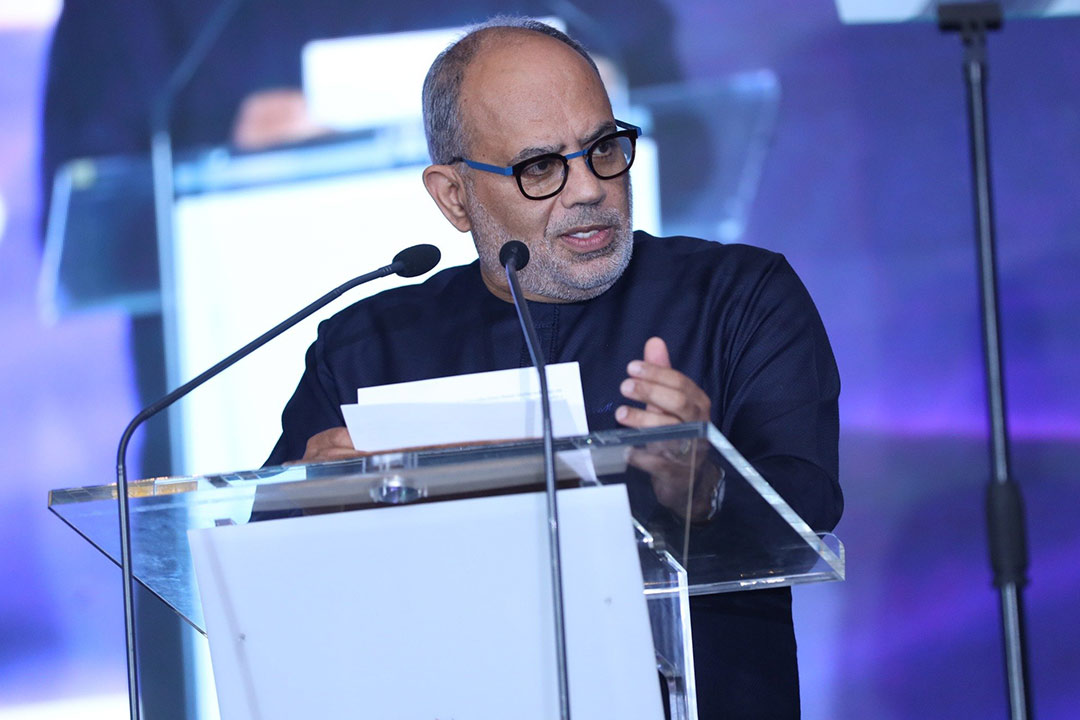 Unisa Founders Lecture examines Africa's leadership, agency and transformative potential
 Unisa Internationalisation Festival challenges universities to reclaim Africa's place in global knowledge production
 At 74, Unisa graduate Dr Pinkie Modisane proves it is never too late to chase a dream
 My disability taught me how to walk through life
 Unisa SBL encourages Birch Acres learners to dream big and pursue their ambitions