
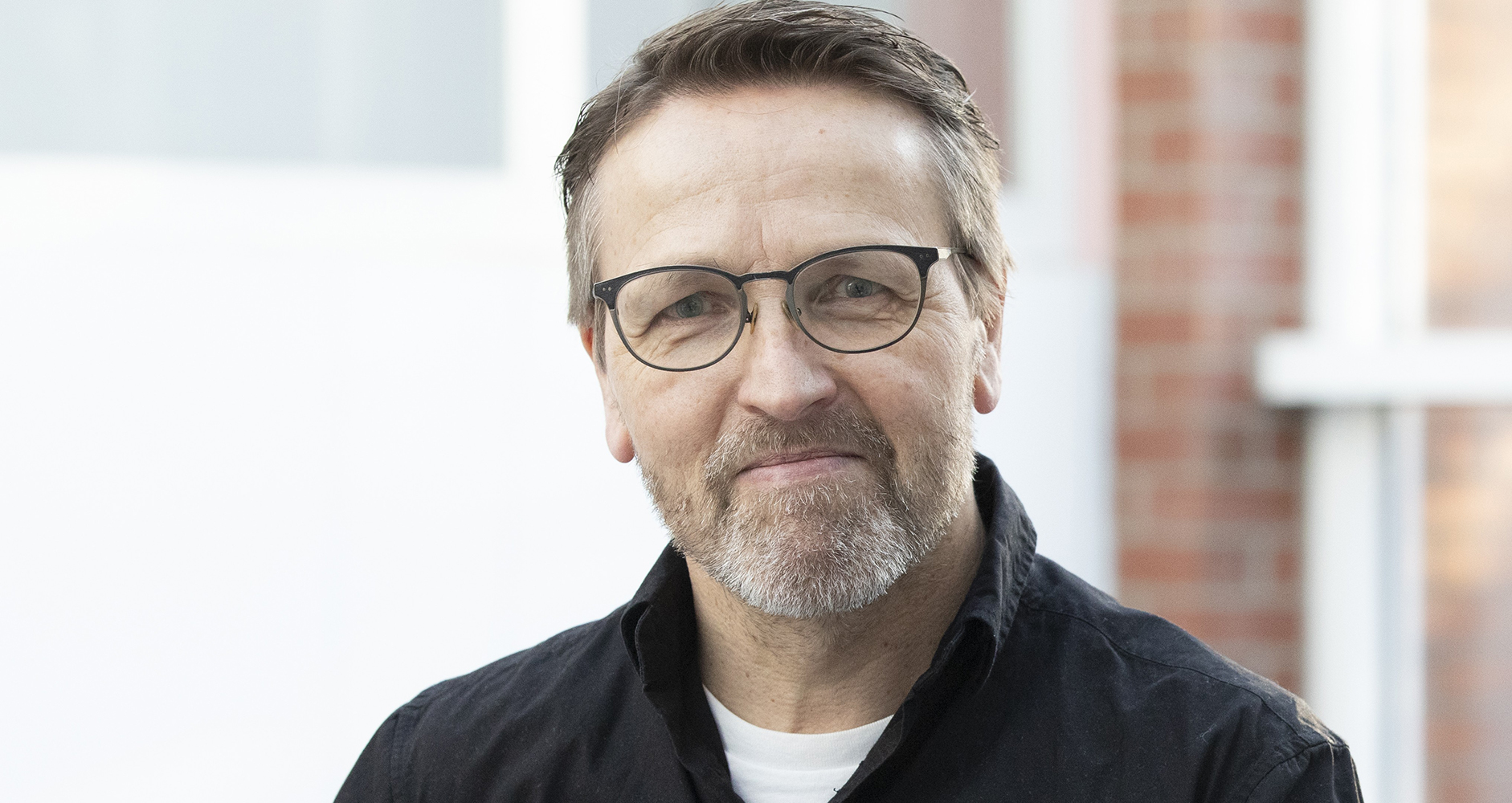
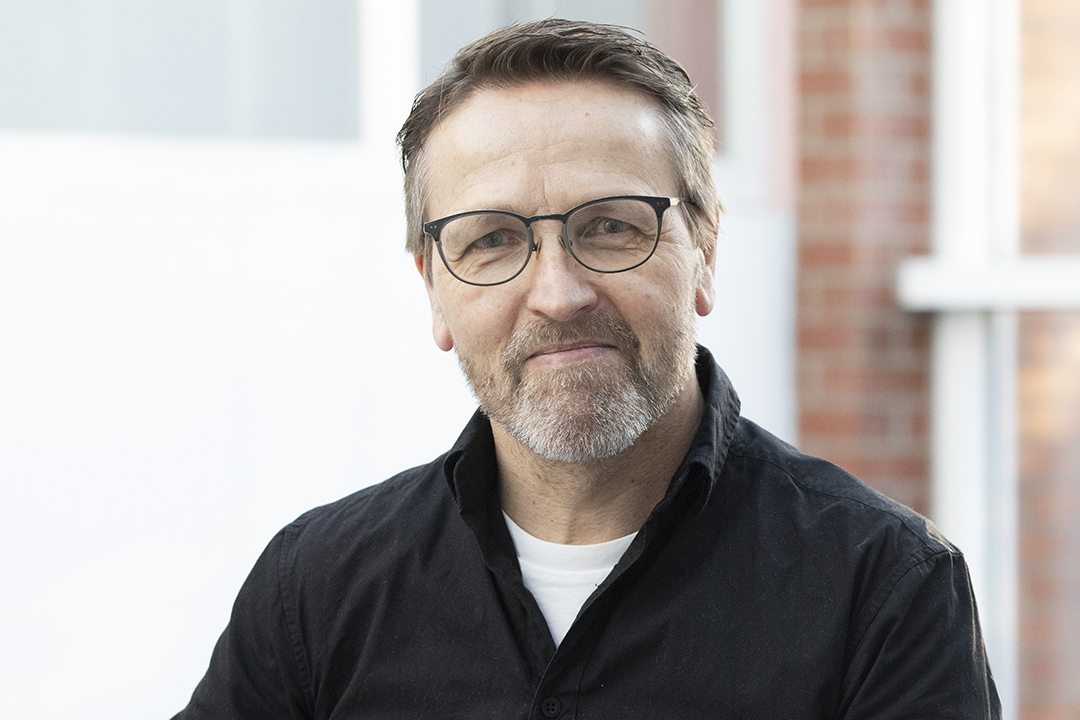
Prof Martin Zimmer, Scientific coordinator of the All-Atlantic Network of Coastal Resilience Beacon Sites
Preparations are at an advanced stage for the International Conference on Coastal, Marine and Maritime Research (COMMRE 2026), which will bring leading African and international experts to Durban to explore how science, innovation and partnerships can strengthen coastal resilience and support sustainable ocean development.
The conference, jointly hosted by the University of South Africa (Unisa), the Department of Forestry, Fisheries and the Environment (DFFE) and partners, will take place at the Durban International Convention Centre from 27 to 30 October 2026.
It will bring together researchers, policymakers, government officials, industry leaders, early-career ocean professionals, students, civil society organisations and coastal communities to examine some of the most pressing challenges facing marine and coastal environments.
With climate change intensifying pressure on coastal ecosystems and communities, COMMRE 2026 will provide a platform for translating scientific knowledge into practical responses that protect marine biodiversity, strengthen livelihoods and unlock sustainable economic opportunities.
The conference also advances Unisa's Marine Studies Catalytic Niche Area (CNA), while responding to the objectives of the United Nations Decade of Ocean Science for Sustainable Development (2021–2030), the African Union's Agenda 2063 and South Africa's National Development Plan 2030.
The conference will feature a distinguished line-up of international and African specialists in ocean science, climate change, marine governance, biodiversity, maritime affairs and the sustainable blue economy.
Among the speakers are Prof Nadia Pinardi, Prof Edem Mahu, Prof Martin Zimmer, Prof Kaitano Dube, Prof Juliet Hermes, Adv Thembelihle Mapipa, Prof Christian Bueger, Dr Arthur Tuda and Dr Bernice Mclean.
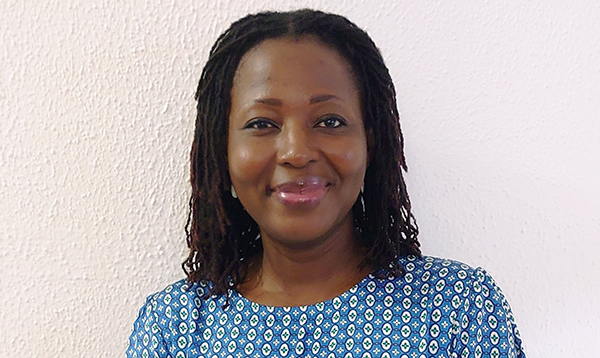
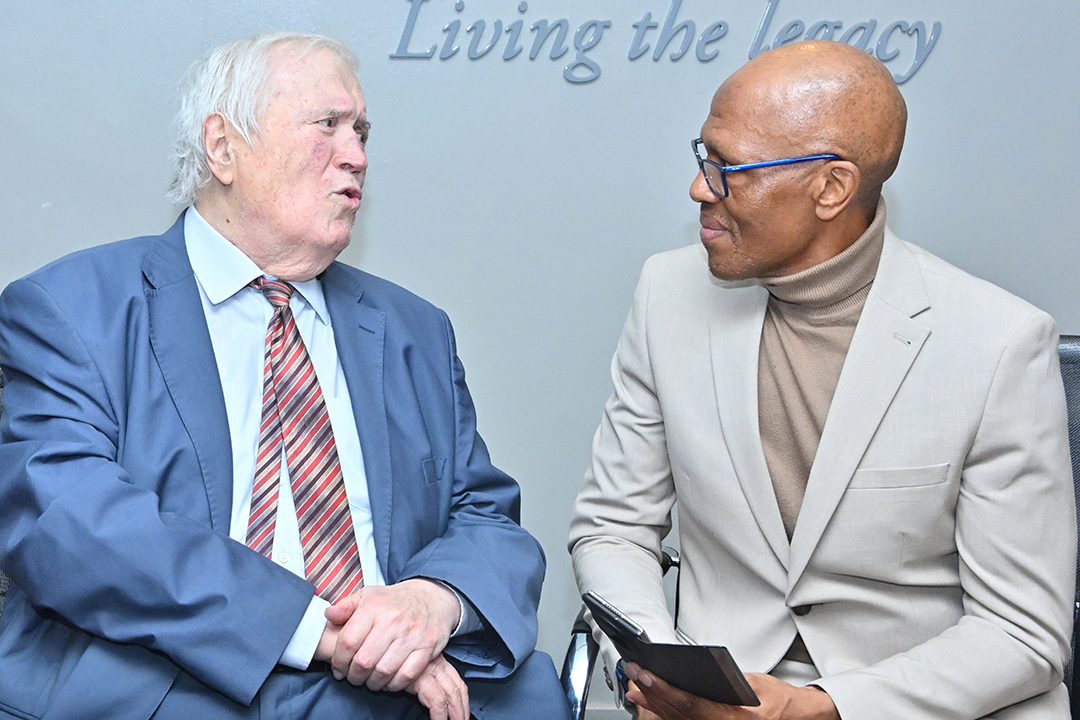
Prof Edem Mahu, Associate Professor of marine biogeochemistry at the University of Ghana
Their collective expertise will provide different perspectives on the complex relationship between ocean health, environmental sustainability, governance and economic development.
The programme is designed to encourage collaboration across disciplines and sectors, recognising that the challenges facing oceans and coastal communities cannot be addressed through scientific research or policy interventions alone.
Prof Godwell Nhamo, Head of the Institute for Sustainability and Corporate Citizenship (ISCC) in Unisa's College of Economic and Management Sciences and Chair of COMMRE 2026, said the gathering comes at a critical time for coastal and marine environments.
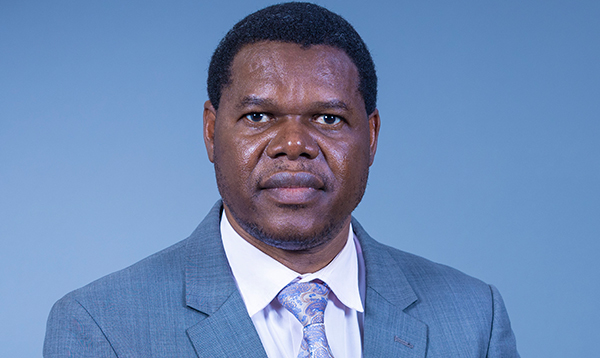
Prof Godwell Nhamo, Professor and Head of the Institute for Sustainability and Corporate Citizenship (ISCC) in the College of Economic and Management Sciences and Chair of the Conference
Rising sea levels, storm and tidal surges, coastal erosion, ocean acidification, pollution, overexploitation of marine resources and unsustainable development are placing increasing pressure on ecosystems and the communities that depend on them.
Against this backdrop, Nhamo said the conference would confront a fundamental question: how can scientific knowledge and innovation be translated into practical solutions that protect coastal and marine ecosystems while supporting sustainable livelihoods and economic development?
The discussions will cover six broad thematic areas, including climate change and coastal adaptation, integrated coastal zone management, ocean observation and technology, marine governance, the sustainable blue economy, maritime affairs and ocean accounting.
By bringing these areas together, the conference aims to encourage integrated approaches that recognise the connections between environmental protection, climate resilience, economic development and human well-being.
For millions of people living in coastal areas, the health of marine ecosystems is closely linked to their livelihoods, food security, infrastructure and economic prospects.
Climate-related hazards can damage homes, disrupt transport and economic activity, threaten fishing communities and place additional pressure on already vulnerable coastal settlements.
Healthy marine ecosystems, meanwhile, sustain biodiversity and support industries such as fisheries, aquaculture, tourism and maritime trade.
"For coastal communities, changes in the marine environment can directly affect livelihoods, food security, infrastructure and economic opportunities, while healthy marine ecosystems are essential for biodiversity and sustainable fisheries, tourism and maritime trade," said Nhamo.
He emphasised that the conference would contribute to several United Nations Sustainable Development Goals (SDGs), reflecting the interconnected nature of ocean sustainability and human development.
"COMMRE 2026 supports several SDGs, including SDG 2 (Zero Hunger), SDG 11 (Sustainable Cities and Communities), SDG 13 (Climate Action), SDG 14 (Life Below Water), SDG 15 (Life on Land) and SDG 17 (Partnerships). Collectively, the highlighted SDGs ensure food security, focus on climate adaptation and resilience, emphasise protecting marine ecosystems and promoting sustainable ocean use, protecting biodiversity, and coming together and partnering to do more," added Nhamo.
These priorities are particularly relevant to South Africa, where coastal communities face growing climate risks while depending on marine resources for food, employment and economic activity.
By bringing together scientific evidence, Indigenous knowledge, policy expertise and community experience, COMMRE 2026 seeks to encourage responses that are environmentally sustainable, socially inclusive and responsive to local realities.
Beyond environmental protection, the conference will examine how coastal and marine resources can drive economic growth without compromising ocean ecosystem health.
Africa's extensive coastline and marine resources offer opportunities in fisheries, aquaculture, shipping, port development, coastal tourism, renewable energy and other maritime industries.
However, realising this potential requires sound governance, scientific research, responsible investment, and effective partnerships among governments, universities, businesses, and communities.
COMMRE 2026 will explore sustainable fisheries and aquaculture, maritime livelihoods, climate-smart shipping, port modernisation, marine renewable energy, coastal tourism and innovative financing mechanisms.
These discussions are aligned with the African Union's Agenda 2063, which identifies the blue economy as an important contributor to Africa’s economic transformation.
They also support the ambitions of South Africa's National Development Plan 2030, particularly its emphasis on economic diversification, innovation, environmental sustainability and inclusive development.
The challenge is to ensure that economic opportunities arising from ocean resources are developed responsibly and that their benefits extend to coastal communities, including those historically excluded from mainstream economic activity.
For Unisa, hosting COMMRE 2026 provides an opportunity to strengthen its Marine Studies CNA by connecting research, teaching and learning, innovation and engaged scholarship with pressing national and continental challenges.
The conference also creates opportunities for collaboration across the university’s wider research priorities, including energy, digitalisation, natural sciences, health, gender and student development.
This interdisciplinary approach recognises that marine sustainability is not exclusively an environmental concern. It is also connected to economic development, technological innovation, public health, social equity and the well-being of communities.
For example, digital technologies can strengthen ocean observation and early warning systems, while renewable energy research can contribute to cleaner maritime industries. Social research can also improve understanding of how climate-related risks affect communities differently and inform more inclusive responses.
By bringing these perspectives together, Unisa aims to strengthen the contribution of academic research to evidence-based decision-making and sustainable development.
The conference further provides a platform for building partnerships that can support research collaboration, policy development and practical interventions beyond the four-day gathering.
A central objective of COMMRE 2026 is to move beyond the presentation of academic findings towards solutions that can inform policy, strengthen institutions and improve conditions in coastal communities.
Participants will examine emerging technologies and approaches such as digital ocean platforms, artificial intelligence applications, blue carbon accounting, early warning systems and nature-based solutions.
These innovations have the potential to improve the monitoring of marine environments, strengthen preparedness for climate-related hazards and support more sustainable management of coastal resources.
An important development will be the planned launch of the South Africa Coastal Resilience Policy Living Lab (SA-CORLAB).
The initiative is intended to provide a stakeholder engagement platform through which coastal, marine and maritime policies and legislation can be examined and refined to better respond to community needs.
By bringing together policymakers, researchers, practitioners and affected communities, the living lab aims to encourage more inclusive approaches to policy development and implementation.
Its establishment reflects the conference's broader emphasis on ensuring that scientific knowledge contributes to practical, community-responsive outcomes.
COMMRE 2026 will also give prominence to Indigenous knowledge, community-led adaptation and gender-responsive approaches to coastal resilience and maritime livelihoods.
These perspectives are important because coastal communities are often among the first to experience the effects of environmental change, yet their experiences and knowledge are not always adequately reflected in formal research and policy processes.
Incorporating community perspectives can help ensure that proposed interventions respond to local conditions and the realities of those most directly affected.
The conference will also create opportunities for youth and early-career ocean professionals to engage with established researchers, policymakers and industry specialists.
Their participation is intended to strengthen research networks, develop future expertise and encourage a new generation of professionals to contribute to addressing Africa’s marine and maritime challenges.
This focus on capacity development supports the broader objectives of the UN Ocean Decade, which seeks to advance ocean science and strengthen the knowledge required for sustainable ocean management.
The organisers expect COMMRE 2026 to provide a foundation for continued research collaboration and knowledge exchange.
Potential outcomes include special issues in international peer-reviewed journals, edited academic publications, multi-stakeholder partnerships and collaborative research initiatives.
These opportunities could help extend the conference's contribution beyond Durban by supporting ongoing engagement between researchers, governments, industry and communities.
For Unisa, the gathering demonstrates the value of bringing academic expertise into conversations that influence public policy, economic development and environmental sustainability.
As coastal regions face increasing pressure from climate change and competing demands on marine resources, the need for integrated, evidence-based solutions has become more urgent.
By connecting scientific expertise with innovation, policy and community perspectives, COMMRE 2026 aims to strengthen the partnerships and knowledge needed to protect marine ecosystems, build resilient coastal communities and advance a sustainable blue economy.
For more information about the conference and its focus areas, visit COMMRE 2026.
* By Thembeka Ntuli-Mpapama, Deputy Director (Acting), Academic and Technology Support, Unisa Gauteng Region
Publish date: 2026-10-14 00:00:00.0

 Unisa brings higher education opportunities closer to Central Karoo learners
 Eight Unisa scholars among Africa's Top 100 education researchers
 Unisa to host global experts to advance ocean research and coastal resilience
 Unisa and iThemba LABS researcher earns international recognition for climate innovation
 Unisa Press launches From Cairo to Cape, unpacking Soviet support for Africa's liberation struggles