

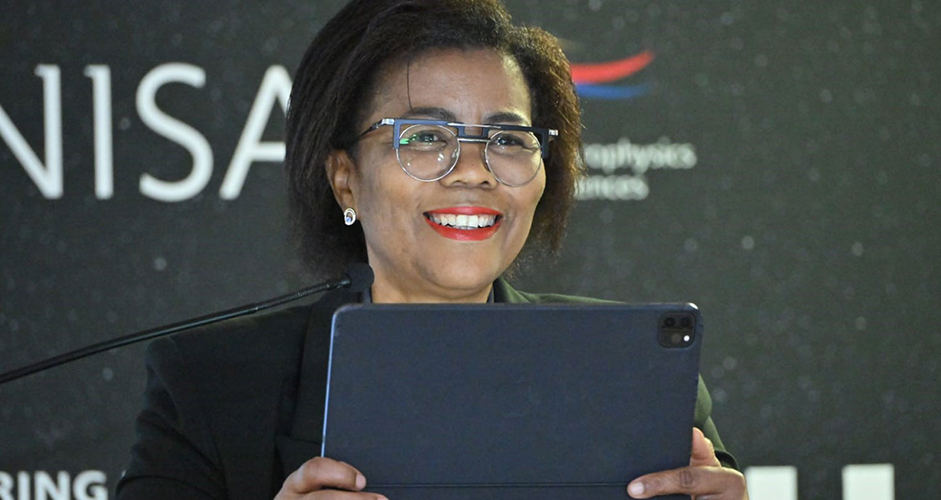
From Pretoria and Polokwane to Asmara and Addis Ababa, thousands of Unisa students will cross the graduation stage as the university prepares to confer more than 16,900 qualifications during its 2026 Spring Graduation season. In picture: Vice Chancellor Prof Puleng LenkaBula.
The University of South Africa (Unisa) is preparing to confer more than 16,900 qualifications during its 2026 Spring Graduation ceremonies, taking the number of qualifications awarded by the university this year to more than 61,600.
Running from 5 September to 28 November 2026, the graduation season will bring together students, families and academics at ceremonies across South Africa and on the African continent, including events in Asmara, Eritrea, and Addis Ababa, Ethiopia.
The Spring Graduations follow the conferral of 44,712 qualifications during Unisa's 2026 Autumn Graduation season. Together with the 16,900 qualifications expected to be awarded during spring, the university will have conferred 61,612 qualifications during the two graduation seasons.
Behind those numbers are thousands of students completing qualifications across different levels of higher education.
The Spring Graduation cohort includes 300 doctoral graduates, 417 master’s graduates, 1,209 honours and postgraduate graduates, 9,741 undergraduate degree graduates and 5,233 graduates receiving one- and two-year certificates.
The figures reflect the breadth of Unisa's academic offering and its role as an open distance e-learning institution providing higher education opportunities to students across South Africa and beyond its borders.
They also speak directly to Sustainable Development Goal (SDG) 4: Quality Education, which seeks to expand access to inclusive and equitable education and lifelong learning opportunities. For Unisa, the graduation season represents the culmination of that journey, as students who have studied across different geographical, economic and personal circumstances complete their qualifications.
While graduation marks the end of one academic journey, the qualifications being conferred also represent different levels of knowledge and skills entering society.
The largest group consists of the 9,741 students receiving undergraduate degrees, followed by 5,233 students completing one- and two-year certificate programmes.
A further 1,209 honours and postgraduate qualifications will be awarded, alongside 417 master’s degrees and 300 doctorates.
The postgraduate and doctoral cohort is particularly important to the university's wider research and knowledge-production mandate. Developing advanced research capacity supports SDG 4 while feeding into Unisa's Catalytic Niche Areas (CNAs), through which researchers and postgraduate students contribute knowledge in areas ranging from digitalisation and health to energy, sustainable development and other challenges confronting South Africa and the continent.
The scale and diversity of the graduating cohort also connect with SDG 10: Reduced Inequalities, particularly Unisa's role in extending higher education beyond the boundaries of a conventional residential university. Through open distance and e-learning, students are able to pursue qualifications while living and working in communities across South Africa and elsewhere on the continent.
The Spring Graduation programme will take ceremonies to several regions, allowing graduates to mark their achievements closer to the communities and families that supported them through their studies.
Ceremonies are scheduled for Pretoria on 5, 6, 7, 8, 14, 15, 16, 19 and 20 October at the Unisa Muckleneuk Campus.
East London will host ceremonies on 5 and 6 October at the East London International Convention Centre, while ceremonies in Polokwane are scheduled for 8 and 19 October at The Ranch Resort.
Graduations are also planned for Durban in October at the Durban Exhibition Convention Centre, while Cape Town will host graduates at the Cape Town International Convention Centre on 12 October.
In Mbombela, the ceremony will take place at Emnotweni Arena on 15 October, followed by Bloemfontein at PACOFS Sand Du Plessis on 16 October.
The graduation season will then extend beyond South Africa, with ceremonies scheduled for Asmara, Eritrea, on 26 November, and Addis Ababa, Ethiopia, on 28 November.
The ceremonies outside South Africa underline the university’s continental footprint and the role distance education can play in connecting students to higher education across national borders.
That reach resonates with Unisa’s broader focus on the Africanisation of knowledge and education, ensuring that the university’s teaching, research and graduate development remain connected to the realities and aspirations of the continent.
For the thousands of students preparing to cross the stage, the Spring Graduation season represents years of study, sacrifice and perseverance.
Many have completed their studies while balancing employment, family responsibilities and other demands that come with pursuing qualifications through distance education.
Their graduation therefore represents more than the conferral of certificates and degrees. It marks the transition of thousands of graduates into the next stage of their professional, academic and personal lives.
The qualifications also carry a wider significance. Higher education develops the skills, professional expertise and research capacity required by economies and communities, connecting the graduation season not only to SDG 4, but also to SDG 8: Decent Work and Economic Growth, which recognises the importance of productive employment, skills development and economic participation.
For Unisa, the 2026 Spring Graduations are ultimately about the people behind the numbers. More than 16,900 individual academic journeys will reach an important milestone, each carrying the potential to translate education into professional opportunity, new knowledge and contributions to communities across South Africa and the continent.
* By Sipho Jack, Journalist, Department of Institutional Advancement
Publish date: 2026-10-02 00:00:00.0

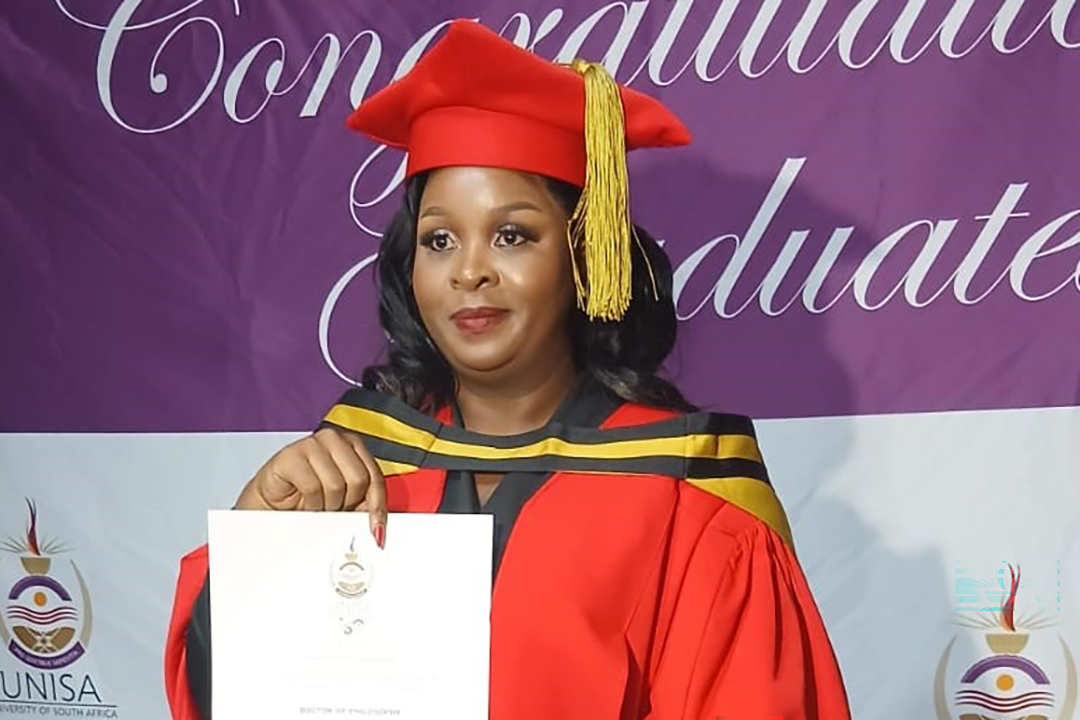 Unisa celebrates 25 new PhD graduates advancing research and innovation
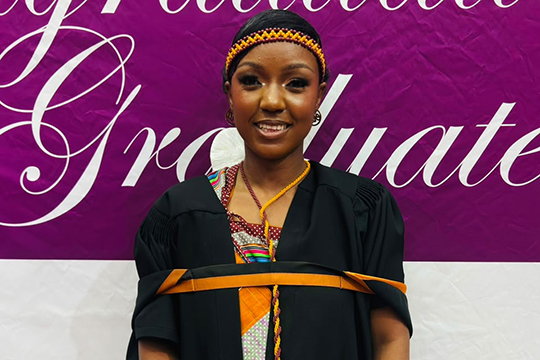 From Maramanzhi to master's: Unisa graduate champions Tshivenda through scholarship
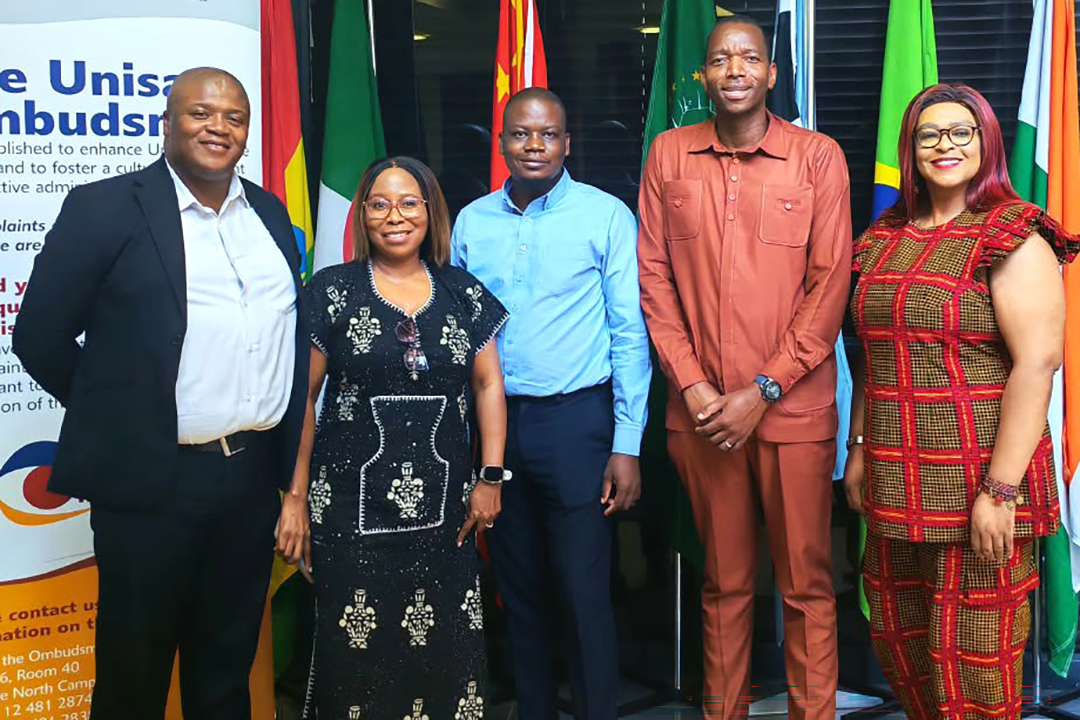 Unisa students help shape digital complaints system to improve accountability and service delivery
 Age is no barrier to success: Former NAFCOC president earns Unisa master's degree at 71
 From academic setbacks to master's distinction: Unisa graduate's journey of resilience