
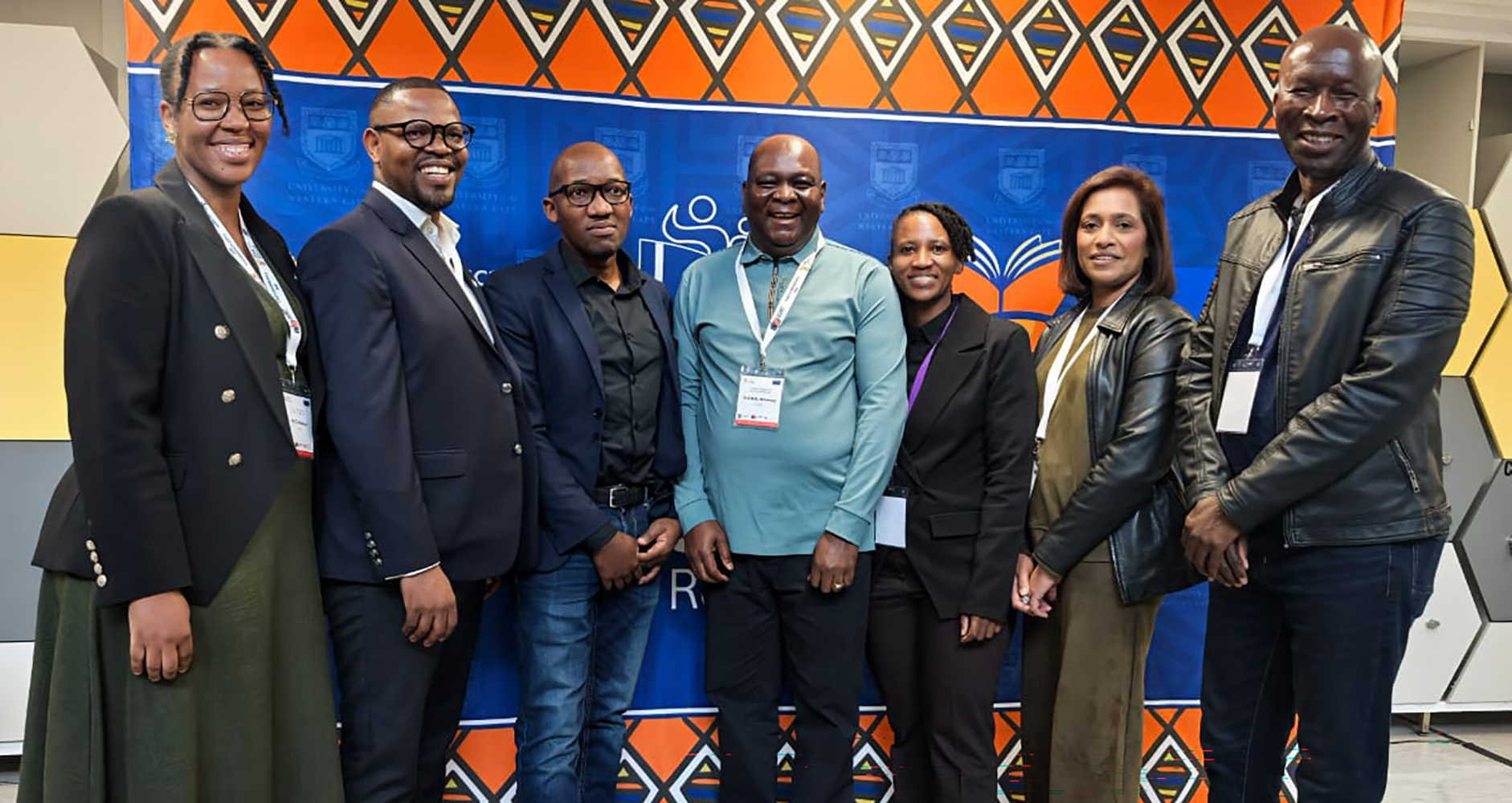
Unisa’s delegation at the Centre for African Language Teaching Conference hosted by the University of the Western Cape
Unisa is extending the reach of its Ubuntu Translanguaging Pedagogy, using multilingual teaching to promote more inclusive learning environments and strengthen the place of African languages in higher education.
From 21 to 23 October 2026, the university's Directorate of Language Services (DLS) presented its work at the Centre for African Language Teaching (CALT) Conference, hosted by the University of the Western Cape (UWC). The event brought together academics and language practitioners to examine how African languages can contribute to early literacy, curriculum transformation, teaching and knowledge production. Unisa's delegation comprised DLS staff members and Multilingual Language Policy Implementation Champions (MLPICs), also known as academic champions. Through presentations and discussions, the team demonstrated how Ubuntu Translanguaging Pedagogy can support an inclusive curriculum, improve access to academic knowledge and recognise the linguistic resources students bring into the learning environment.
Ubuntu Translanguaging Pedagogy is a multilingual teaching approach that encourages students and lecturers to draw on their full linguistic repertoires during teaching and learning. It recognises that language is closely connected to identity, understanding and participation, and seeks to create an environment in which students can engage with academic content using the languages they know and use. The approach is particularly relevant to Unisa's open distance e-learning (CODeL) environment, which serves a linguistically diverse student population across different regions and communities. The work of DLS connects with Unisa’s Catalytic Niche Area (CNA) 10: Student Support and Co-Curricular Activities, which places student success, learning support and personal development at the centre of the university’s academic mission.
Although multilingualism is not one of Unisa's ten formally designated CNAs, the implementation of Ubuntu Translanguaging Pedagogy supports the objectives of this niche area by addressing language barriers that can affect students' participation, understanding and access to learning. It also reflects the role of the CNAs in informing teaching and learning, research, innovation and engaged scholarship across the university. The approach has wider relevance to the United Nations Sustainable Development Goals, particularly SDG 4: Quality Education, which calls for inclusive and equitable quality education and lifelong learning opportunities, and SDG 10: Reduced Inequalities, through efforts to address barriers that can exclude students from meaningful participation in higher education. At the continental level, the initiative speaks directly to the African Union's Agenda 2063, particularly Aspiration 5, which envisions an Africa with a strong cultural identity, common heritage, shared values and ethics. The aspiration recognises the importance of preserving African languages and cultural heritage, while drawing on Africa's diversity as a source of strength.
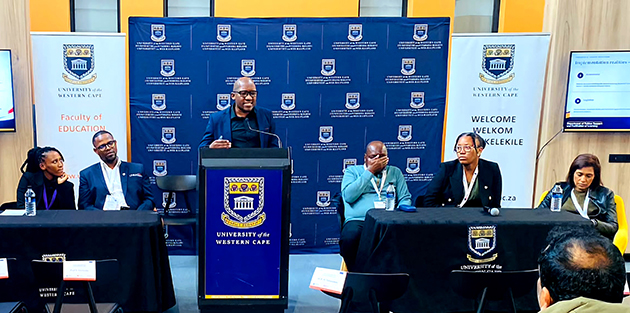
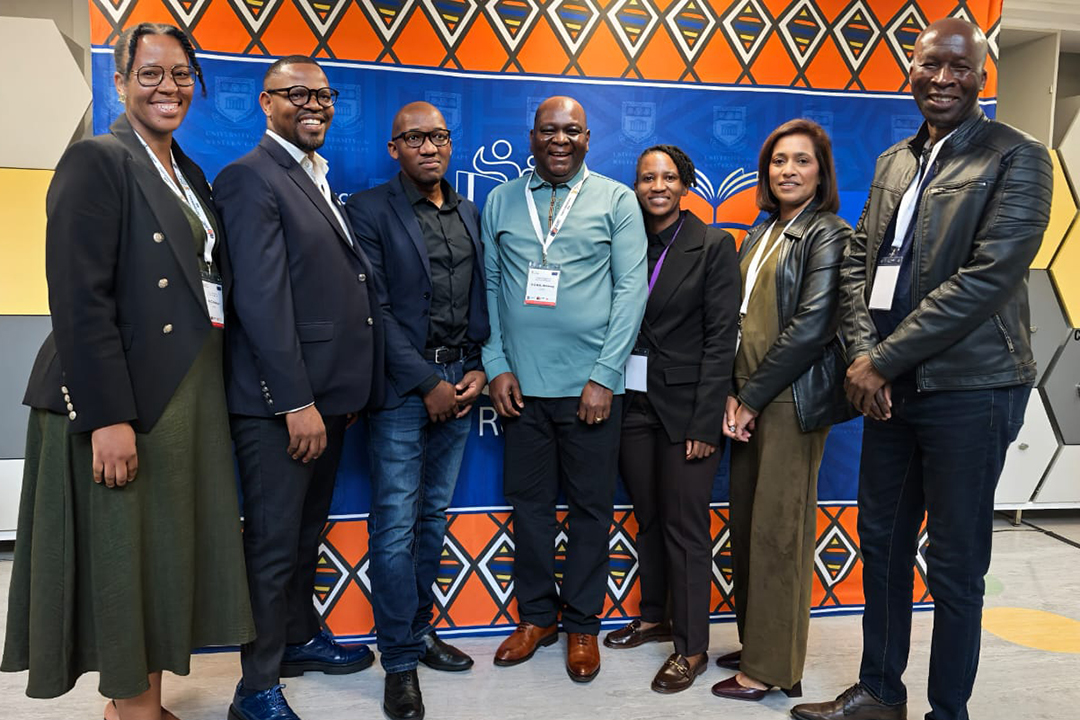
Unisa representatives participating in the roundtable discussion on the implementation of Ubuntu Translanguaging Pedagogy.
In South Africa, the work also supports the broader objectives of the National Development Plan (NDP) Vision 2030, particularly its emphasis on building human capabilities, improving education and reducing inequality. By recognising students' linguistic backgrounds as resources for learning rather than obstacles, multilingual teaching can contribute to a more equitable higher education environment. The longer-term value lies in developing sustainable teaching practices that can be embedded in academic programmes and institutional support systems. This can help strengthen students' engagement with learning, support the recognition of African knowledge systems and contribute to a higher education environment that is more responsive to the country's linguistic diversity.
During a roundtable discussion facilitated by Prof Leketi Makalela, Dr Mpho Monareng, Director of DLS, joined staff members Melusi Mnikathi and Babalwa Resha to outline the purpose and objectives of implementing Ubuntu Translanguaging Pedagogy across Unisa's colleges. Constance Ndzaule, Razia Mahomed and Mochekoane Molise, representing different colleges, demonstrated practical ways of integrating the approach into teaching and learning. The presentations generated considerable interest among conference participants. Following the engagement, DLS received requests for translanguaging training from North-West University, the University of Johannesburg, Rhodes University, Walter Sisulu University and UWC.
The requests create opportunities for further collaboration and knowledge-sharing between higher education institutions. DLS plans to expand its training initiatives and partnerships to support universities interested in developing and implementing multilingual teaching approaches. The engagement also reflects the importance of sharing institutional experience and developing approaches that can respond to the linguistic realities of students across the higher education sector. The conference was held under the theme "African languages at the centre: Advancing early literacy, transforming curriculum and pedagogy, and reclaiming knowledge production for social justice".
Co-funded by the Department of Higher Education and Training (DHET) and the European Union (EU), the three-day event explored the role of African languages in education, curriculum development and knowledge production. Its programme was structured around four themes: early literacy in African languages; multilingual teaching and curriculum; indigenous knowledge and community; and knowledge production and digital futures, including artificial intelligence (AI). The programme included three keynote addresses, an opening panel discussion on early literacy, a Unisa roundtable and a community roundtable. Delegates also participated in parallel presentation sessions and two workshops, while a gala dinner provided further opportunities for engagement.
The discussions provided a platform for academics and practitioners to exchange experiences on the practical challenges of implementing multilingualism policies and integrating African languages into formal teaching and learning.
Unisa was represented by 27 delegates, comprising 20 multilingualism champions from four colleges and seven DLS panellists.
The college representatives were drawn from:
|
College of Economic and Management Sciences |
Champions |
14 |
|
College of Accounting Sciences |
Champions |
3 |
|
College of Human Sciences |
Champions |
2 |
|
College of Law |
Champion |
1 |
|
Subtotal: College champions |
20 |
|
|
Directorate of Language Services |
Panellists |
7 |
|
Total |
Champions and panellists |
27 |
The composition of the delegation was significant because it brought together language specialists and academic representatives from different disciplines. The participation of 20 college champions provides a channel through which lessons from the conference can be taken back into the academic environments where teaching, assessment and student support take place. It also reinforces the role of DLS in fulfilling its two core mandates: language practice, which includes translation and editing, and the implementation of Unisa’s multilingualism policy.
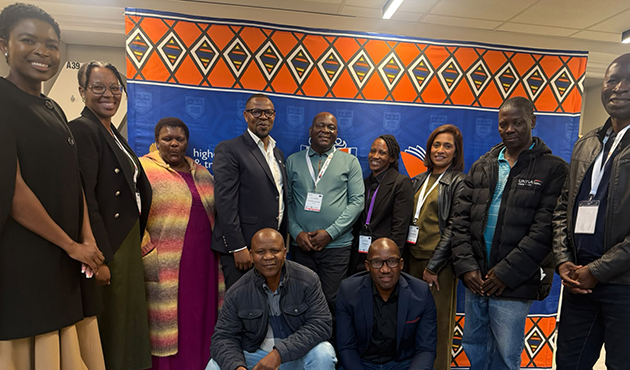
Delegates at the CALT Conference, which brought together academics and practitioners to discuss the role of African languages in education and knowledge production.
The roundtable discussions also examined the practical realities institutions face when implementing multilingualism policies. These include moving beyond policy commitments to ensure that African languages and multilingual approaches are meaningfully reflected in teaching and learning. Unisa drew on its experience as a CODeL institution serving a linguistically diverse student population. Its participation highlighted the need for teaching approaches that recognise students’ linguistic backgrounds and make academic knowledge more accessible.
For Unisa, Ubuntu Translanguaging Pedagogy provides an opportunity to strengthen multilingual teaching while affirming the role of African languages in academic engagement and knowledge production. The interest shown by other universities following the conference presents an opportunity for DLS to extend its training and collaboration initiatives. It also positions Unisa to contribute to wider efforts to transform higher education through inclusive teaching practices that recognise Africa’s linguistic and cultural diversity.
* By Samuel Mahlangu, Language Practitioner, Directorate of Language Services
Publish date: 2026-11-11 00:00:00.0

 Unisa Choir's remarkable rise earns third place at choral competition
 Unisa advances African languages and inclusive teaching through Ubuntu Translanguaging Pedagogy
 How Unisa's research support helped Dr Janice de Wee complete her PhD
 From call centre agent to MBL graduate: Mashudu Munzhedzi's journey of determination
 Seven Unisa academics recognised by ASSAf as Academy marks 30 years