

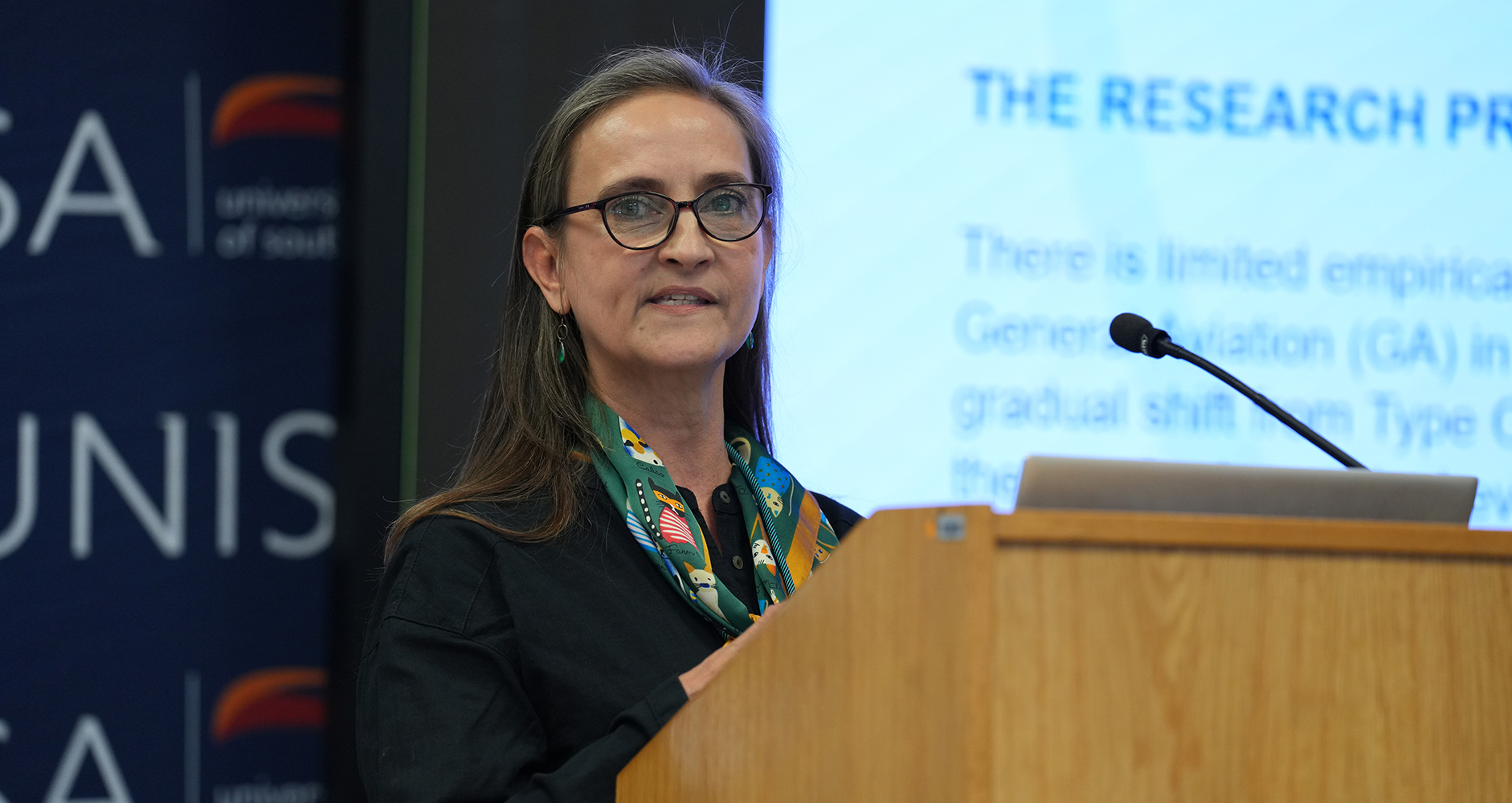
Marie Reddy
South Africa's general aviation sector is entering a period of change, driven by the growth of locally manufactured aircraft, new opportunities for pilot training and a growing need to address skills shortages across the industry.
These developments came into focus on the final day of the second annual University of South Africa (Unisa) Aerotropolis Symposium, where researchers and aviation experts examined the changing relationship between type-certificated and non-type-certificated aircraft and considered what the shift could mean for the country’s aviation economy.
The discussions formed part of Unisa's broader Aviation and Aeronautical Studies catalytic niche area, one of the university's strategic research and innovation priorities. The niche area provides a platform for bringing together academic research, industry expertise, government and other stakeholders to address challenges facing aviation and to explore its potential contribution to economic development.
The symposium is also linked to Unisa's wider Aerotropolis Project, which seeks to position aviation and airport-led development as drivers of economic activity, skills development, connectivity and innovation. The project is intended to strengthen research, academic programmes and partnerships across the aviation ecosystem.
Research presented by Marie Reddy provided new insight into a sector that has historically lacked extensive empirical research.
Reddy's study uses aircraft registry data from the South African Civil Aviation Authority (SACAA) to examine powered, manned aircraft, excluding commercial, military and unmanned operations. Her research covers the period from 2000 to 2025 and aims to identify growth patterns, disruptions and the factors shaping the development of South Africa’s general aviation sector.
Her findings point to the growing importance of non-type-certificated aircraft, which are increasingly challenging the traditional dominance of type-certificated models.
Type-certificated aircraft are subject to stringent regulatory requirements and can be costly, creating barriers for entry-level pilots and other users.
Non-type-certificated aircraft, by contrast, can offer a more accessible and affordable route into aviation. Locally manufactured models such as the Sling aircraft are helping to demonstrate how domestic production could contribute to lower training costs while opening opportunities for skills development and employment.
The shift also represents a move away from heavy reliance on imported aircraft, creating opportunities for South African manufacturers and the wider aviation value chain.
Companies such as Jonker Sailplanes are playing a role in strengthening local aircraft manufacturing and contributing to technology transfer and skills development.
For a country seeking to expand its aviation capabilities, the growth of local manufacturing has implications beyond aircraft production. It can support technical skills development, create employment and strengthen the industrial base around aviation.
However, the sector continues to face a serious skills challenge, particularly in aircraft maintenance.
Reddy highlighted a significant decline in the number of registered maintenance personnel through the Approved Persons of South Africa (APAPOSA), from about 1 000 to approximately 80.
The decline raises concerns about the capacity to provide adequate maintenance support as the general aviation sector changes and grows.
For the aviation industry, expanding access to aircraft and pilot training will need to be matched by investment in the people and technical capabilities required to maintain those aircraft safely.
Reddy's research seeks to provide a stronger evidence base for understanding these developments.
In addition to analysing SACAA registration data, the study will incorporate qualitative insights from industry experts and examine the regulatory, economic and foreign-exchange factors influencing the sector.
One example highlighted during the symposium was the withdrawal of exemption AIC 18.19. The change resulted in several type-certified aircraft being grounded, while non-type-certificated aircraft operating under different regulatory conditions were able to continue playing a role in the sector.
By examining such developments alongside historical registration data, Reddy’s research aims to provide stakeholders with a clearer picture of the factors influencing general aviation and the policy and regulatory environment in which the sector operates.
The symposium also looked beyond South Africa’s borders, with Sipho Matshie presenting the concept of a "Single African Sky".
The proposal advocates for greater coordination in airspace management across the continent, with the potential to reduce operational costs, improve connectivity and make intra-African air travel more efficient.
Matshie highlighted examples of cooperative airspace management in Southern and East Africa as evidence that greater regional coordination is possible.
The discussion is particularly relevant to the broader goals of African economic integration. More efficient airspace management could strengthen connections between African markets, support regional trade and improve the movement of people and goods across borders.
It also aligns with the wider Aerotropolis vision being explored by Unisa, in which aviation infrastructure is considered not simply as a transport system, but as part of a broader economic ecosystem.
For Unisa, these discussions demonstrate why aviation and aeronautical studies have been identified as a catalytic niche area.
The university has previously identified aviation and aeronautical studies as one of its 10 catalytic niche areas, highlighting the sector’s importance to the South African economy and the need for collaboration between academia, industry and government.
The Aerotropolis Project seeks to build on this foundation by creating opportunities for multidisciplinary research, specialised education and industry collaboration. Plans associated with the project include the development of aviation-related academic offerings and an Aerotropolis Short Learning Programme aimed at providing industry-relevant skills.
This approach gives the symposium a purpose beyond an annual exchange of ideas. It creates a platform through which research can inform policy, education and industry practice, while industry challenges can in turn shape the university’s research agenda.
As the three-day symposium drew to a close, Dr Erin Naudé, Regional Director for the Gauteng Region at Unisa, reflected on the value of bringing academics, policymakers and industry stakeholders into the same conversation.
The discussions produced several recommendations, including the establishment of a permanent Aerotropolis stakeholder forum, greater investment in aviation skills development and improved policy alignment.
The recommendations point to a broader challenge facing South Africa's aviation sector: turning research and dialogue into practical interventions.
For general aviation, that means creating an environment in which local aircraft manufacturing can grow, pilot and maintenance skills can be developed, regulation can keep pace with innovation and airspace can be managed more efficiently.
For Unisa, it also provides an opportunity to demonstrate how a catalytic niche area can bring research, teaching, industry and policy together around a complex national and continental challenge.
The work of researchers such as Reddy, together with the broader discussions on airspace integration, skills and local manufacturing, suggests that South Africa’s general aviation sector is entering a new phase.
The challenge now is to ensure that innovation is matched by investment, skills, appropriate regulation and collaboration, allowing the sector to contribute more fully to economic development and to Africa’s increasingly connected aviation future.
* By Sipho Jack, Journalist, Department of Institutional Advancement
Publish date: 2026-09-17 00:00:00.0

 Unisa students take top honours at 2026 HEQAF Student Paper Presentation Competition
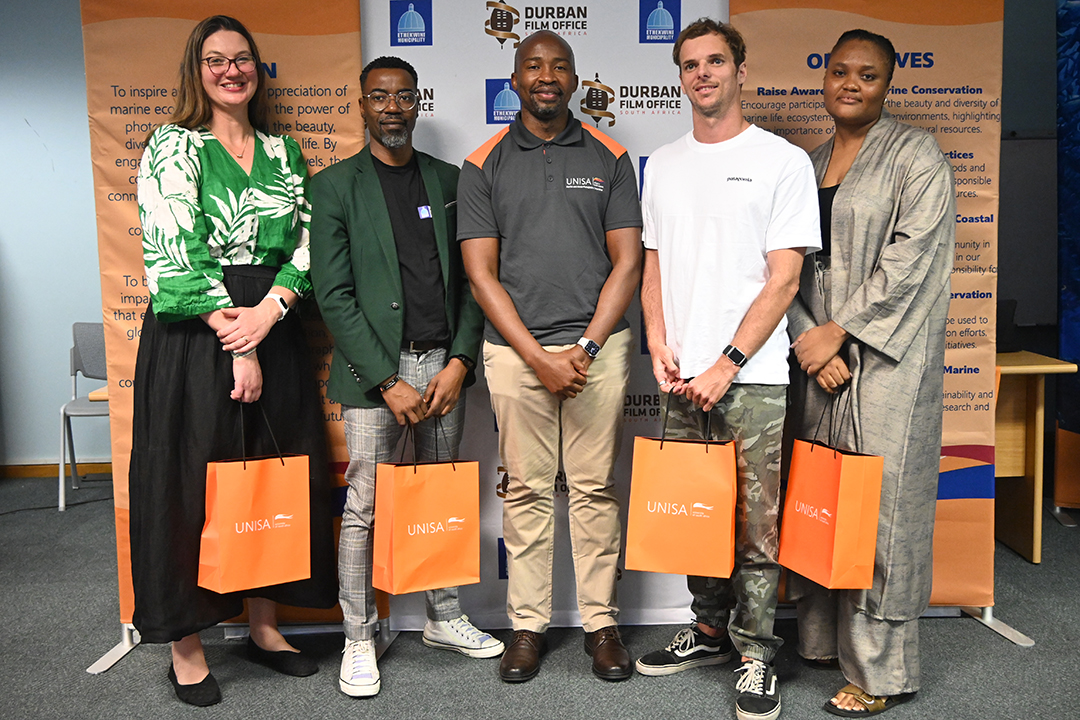 Young KZN photographers explore the ocean through Unisa lens
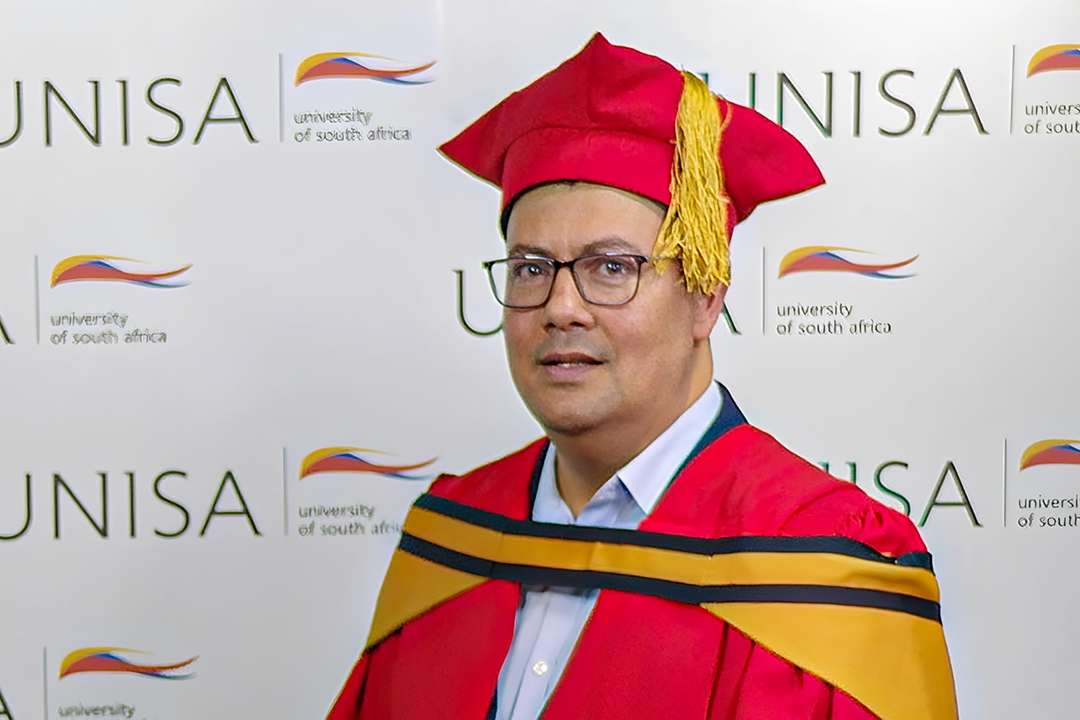 Prof Brendon Barnes champions climate justice through psychology
 Prof Vhahangwele Masindi sets sights on a water-secure future
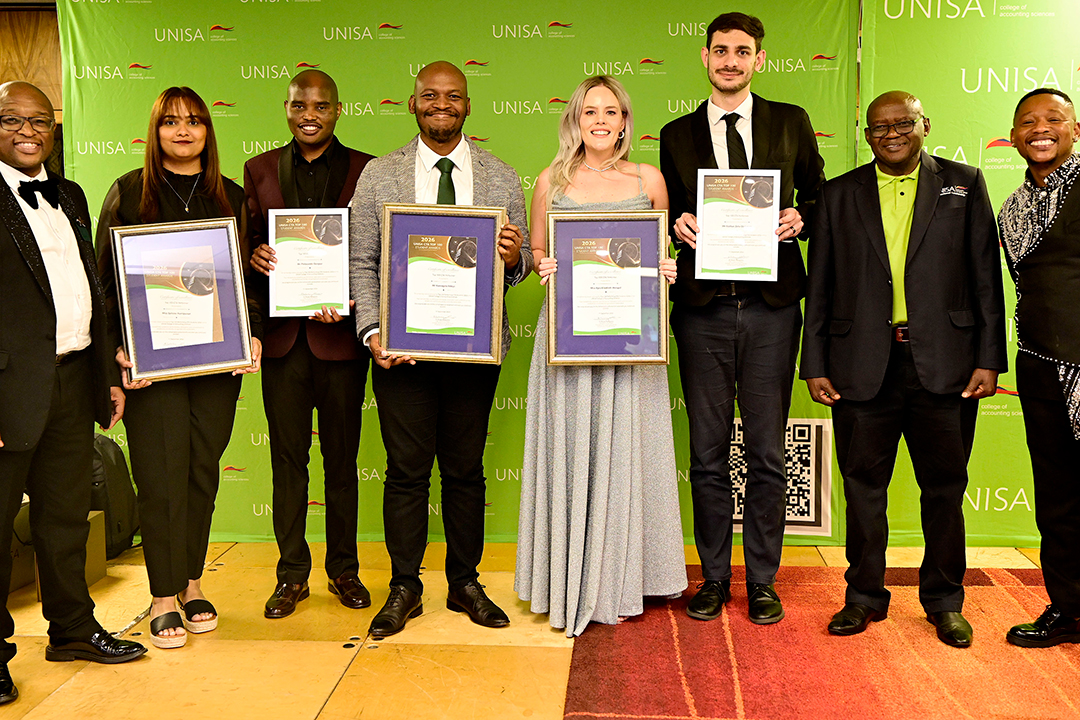 Unisa's Top 100 CTA achievers recognised as accounting firms seek emerging talent