
Equipped with state-of-the-art laboratories that provide students with hands-on experiences to bridge theory and practice
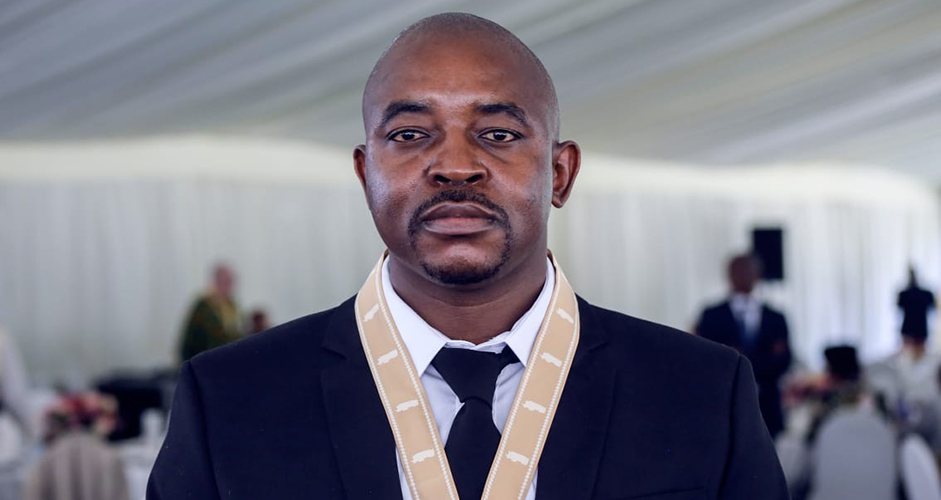
Prof Vhahangwele Masindi, South African Research Chairs Initiative (SARChI) Chair in Integrated Water Resource Management.
South Africa's water challenges are placing increasing pressure on researchers to develop solutions that can move beyond laboratories and academic publications. For Prof Vhahangwele Masindi, the next decade presents an opportunity to turn research into technologies that can make a tangible difference to people's lives.
Masindi has been appointed to a 10-year DSTI-NRF South African Research Chairs Initiative (SARChI) Chair in Integrated Water Resource Management (IWRM) at the University of South Africa (Unisa).
The Chair will focus on some of the country's most pressing water and environmental challenges, including water quality, water and wastewater treatment, wastewater valorisation and beneficiation, and nature-based solutions.
For Masindi, the ambition is ultimately about helping build a more water-secure society.
"My ultimate vision and legacy are to develop and deploy technologies that will contribute to water security in South Africa," he said.
A central focus of Masindi's work will be ensuring that research translates into practical technologies that can be adopted by municipalities, communities and industry.
For him, scientific research should not end when the findings are published. Its value lies in whether the knowledge and technologies developed can help address challenges beyond the university.
"My greatest achievement is seeing the technologies I have developed being adopted by industry to improve production and, ultimately, the lives of ordinary South Africans," he said.
This approach is already evident in research being conducted within Unisa's College of Agriculture and Environmental Sciences (CAES).
Researchers are exploring ways of recovering valuable minerals and drinking water from acid mine drainage, one of South Africa’s longstanding environmental challenges.
Other projects are investigating how water hyacinth, an invasive aquatic plant, can be converted into useful products such as biofertilisers, biochar and biogas.
Research is also being conducted into the production of struvite and phosphoric acid from municipal wastewater, while other projects are examining the production of green hydrogen from acid mine drainage.
Additional work focuses on phyto- and phycoremediation, using plants and algae to help address pollution and improve surface-water quality.
For Masindi, these projects demonstrate that environmental challenges can also create opportunities to recover resources, develop innovative technologies and generate solutions with wider social and economic benefits.
The Chair will not only focus on developing technologies. Masindi also sees it as an opportunity to strengthen research capacity and help develop the next generation of scientists.
The work will contribute to Unisa's strategic objectives while supporting broader development priorities, including the Sustainable Development Goals, the African Agenda and the National Development Plan.
Developing young researchers will be particularly important in ensuring that expertise in water and environmental sciences continues to grow.
Masindi’s own research record provides a strong foundation for this work. His contributions to environmental sciences and water research have earned both national and international recognition.
He has been ranked among the world’s top 2% of scientists and was awarded the Order of Mapungubwe in Bronze for his contribution to environmental sciences and efforts to address water challenges.
Yet he sees these achievements as less important than the practical impact of research.
Masindi believes collaboration will be essential to achieving the Chair’s ambitions.
Water and environmental challenges are complex and often require expertise from several scientific disciplines. Partnerships can bring together different areas of knowledge, strengthen research outcomes and increase the likelihood that technologies developed at universities will be adopted beyond the academic environment.
For Masindi, collaboration is therefore not simply about expanding networks. It is about bringing the right expertise together to develop solutions that can work in real-world settings.
As he looks towards the next 10 years, Masindi has a simple message for young researchers entering the field.
"Being tenacious, hardworking, and ethical is the secret code," he said.
His ambition for the SARChI Chair is ultimately measured not by the number of publications or awards it produces, but by the difference its research can make outside the university.
If successful, the Chair will help translate scientific research into technologies that contribute to South Africa’s water security, while developing a new generation of researchers equipped to tackle the country’s complex water and environmental challenges.
For Masindi, that is the legacy worth pursuing: research that leaves the laboratory, reaches society and helps secure one of the country’s most vital resources.
* By Noxolo Miya, Journalist, Department of Institutional Advancement
Publish date: 2026-09-18 00:00:00.0

 Unisa strengthens global standing in 2027 Times Higher Education World University Rankings
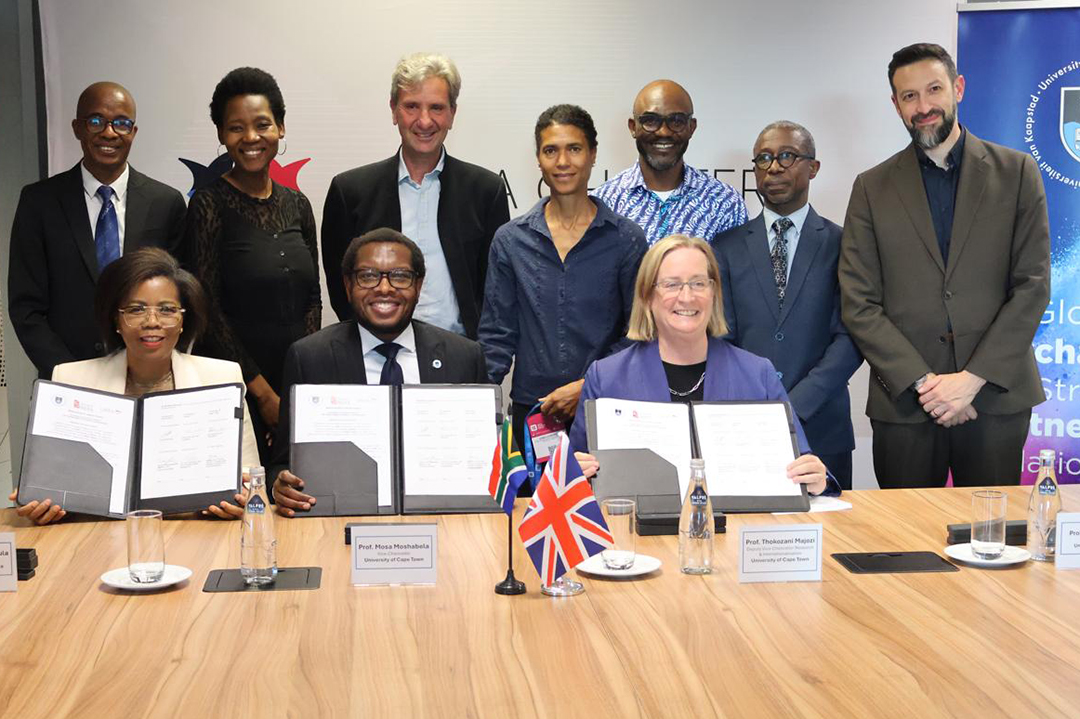 Unisa, UCT and University of Bristol strengthen partnership to transform global research collaboration
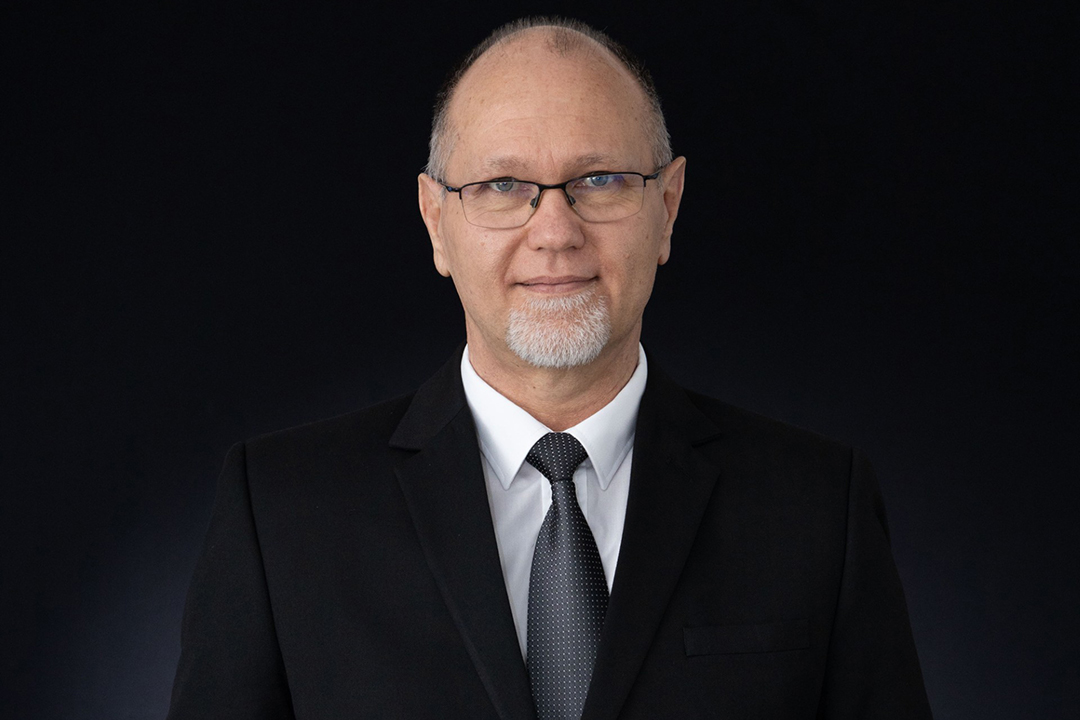 Prof Lessing Labuschagne takes helm of Unisa's Research and Innovation portfolio
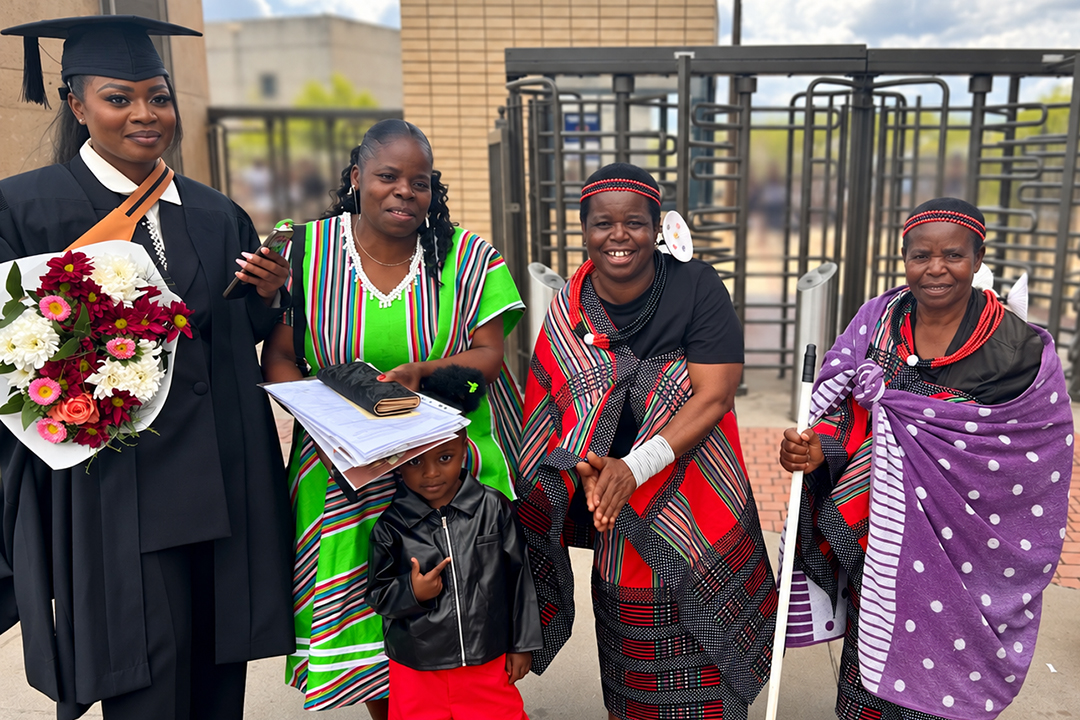 Unisa Spring Graduation opens with stories of perseverance and achievement
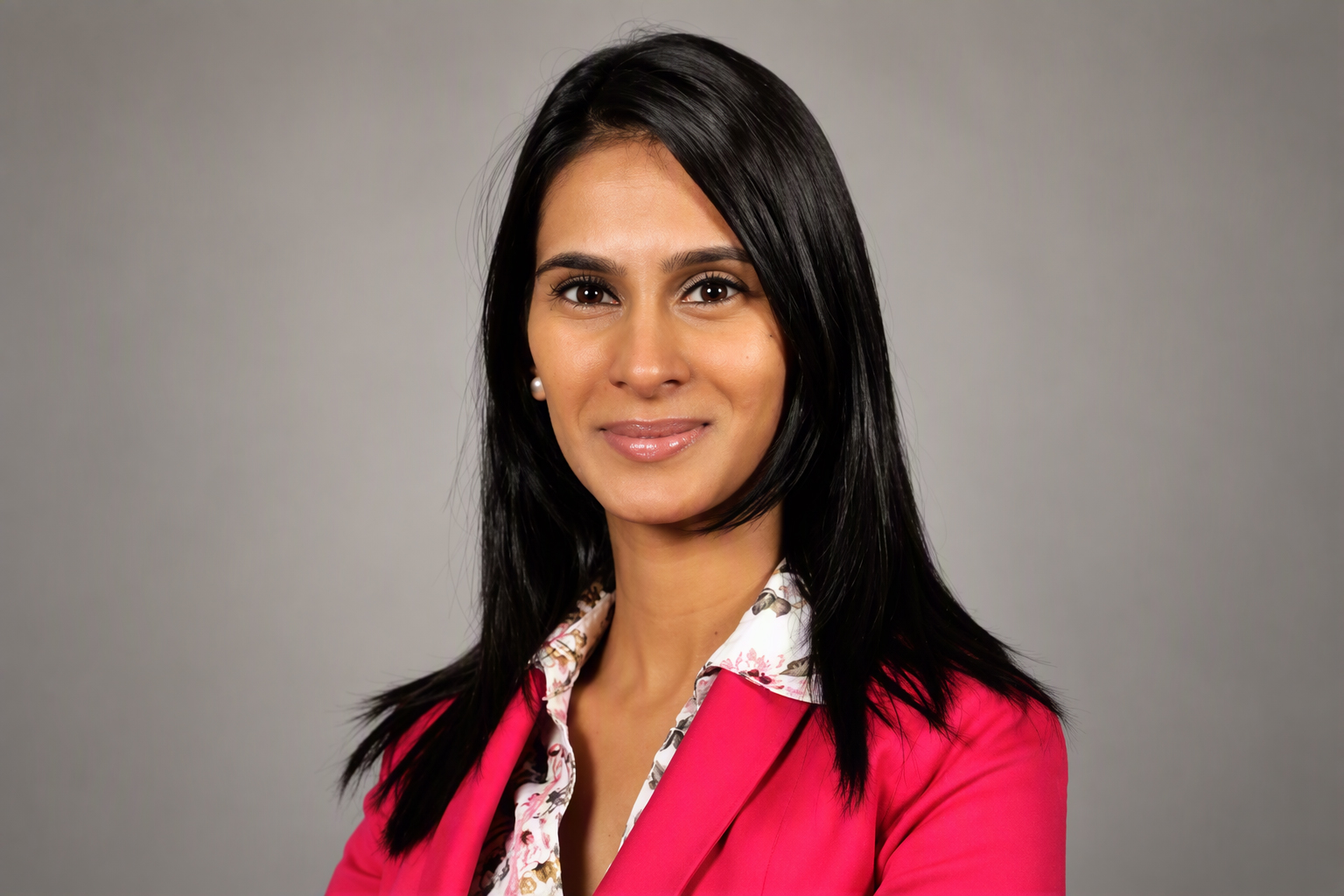 Unisa academic helps develop AI system to stay ahead of cryptocurrency scams