

The African college of excellence in the social and human sciences
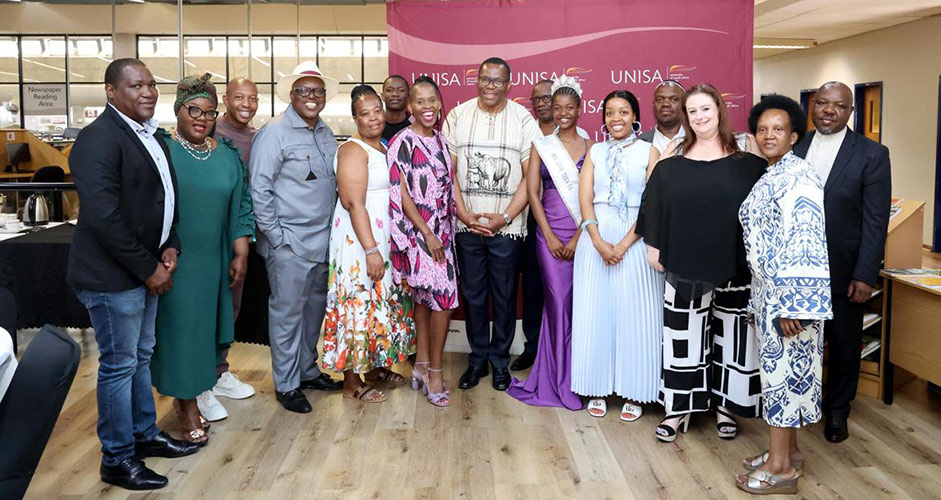
Group photo with keynote Speaker eThekwini Mayor Cllr Cyril Xaba (in the middle in a white shirt).
The question of what it means to be African today was at the centre of a Unisa dialogue that brought together academics, political leaders, religious figures and students to examine the unfinished struggle for decolonisation.
Held at the University of South Africa's (Unisa) Durban campus, the discussion, titled "Are we winning? Decoloniality dialogue", explored how colonial influences continue to shape African societies, from education and migration to religious beliefs and standards of beauty. Hosted by Nomthandazo Dlomo of Unisa's Department of Political Sciences in the College of Human Sciences, the event formed part of the module Decoloniality: Africana Thought, Discourse and Critique. The dialogue drew on Unisa's Feminist, Womanist and Bosadi Theorisations catalytic niche area, using African-centred scholarship to question dominant narratives, interrogate systems of power and encourage a deeper understanding of African identity.
The panel comprised eThekwini Municipality Mayor Cllr Cyril Xaba, Jacinta Ngobese-Zuma, religious leader Pastor Vusi Dube, traditional healer Mkhulu Jojo Mantwengu, and Durban University of Technology (DUT) somatologist and researcher Banathi Sihonqo. Discussions focused on four areas that continue to shape African lived experiences: migration, decolonising education, religion and cultural beliefs, and the influence of colonial standards on the beauty industry. Speaking about the enduring impact of colonisation, Xaba urged participants to draw on the work of earlier African thinkers while questioning whether the current education system is helping people reclaim their identity or reinforcing existing inequalities.
"We have many generations that have actually come and gone, and very powerful thinkers of the continent who have tried to look at the issue of colonisation and decolonisation," Xaba said. He referred to anti-apartheid activist Steve Biko and the Black Consciousness Movement, which placed the restoration of Black identity and self-worth at the centre of the struggle against oppression. Xaba said the next step was to examine how education is structured and whether it equips young people to challenge inherited systems.
"We now have to look at education through a new lens, whether we have education that empowers people, that takes people out of colonisation, or we have education that simply maintains the status quo." Dlomo echoed the concern, arguing that what learners are taught at school and university has a direct bearing on how they understand society and their place in it. The dialogue identified the lack of decolonised educational content as one of the factors affecting the development of communities. Participants questioned whether education systems adequately reflect African histories, knowledge systems and lived experiences.
Migration generated some of the most contentious exchanges, with Ngobese-Zuma linking undocumented migration to pressure on public services and competition for resources. She argued that government policies were not adequately addressing the concerns of South African citizens and called on young people to use their votes to hold political leaders accountable. "This is our country, and we really need to stand up for it, especially you as young people, because it is you that will be left in this and the mess that is being created right now," she said.
She also questioned the pressure on hospitals, schools and other public infrastructure, arguing that migration needed to be considered as part of the wider discussion about service delivery. "Why do we have more and more children every year? Why are our hospitals, why are our beds, why are our schools full? These are all problems that come together as one, and anyone who tries to separate these problems from migration is not telling you the truth. Migration plays a very big part in everything that is happening in this country." Her remarks reflected concerns raised during the discussion about the relationship between migration, public resources and government policy.
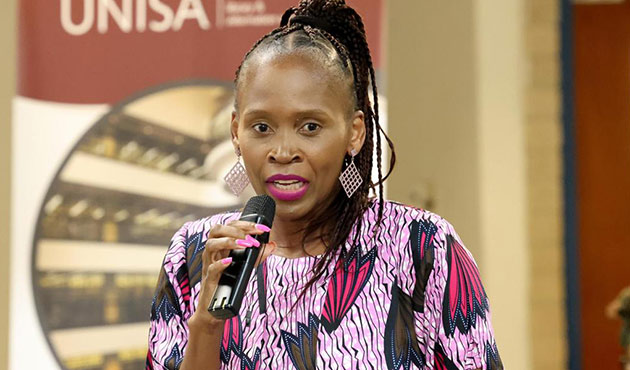
Nomthandazo Dlomo, a student from Unisa's Department of Political Sciences (College of Human Sciences) who organised the dialogue.
Dlomo said migration was a particularly sensitive issue in Durban, where it has implications for diplomatic relations, economic activity and competition for local resources. She referred to tensions in June 2026, when migrants, mainly Malawian nationals, fled to the Sherwood grounds and the Durban Drive-In was converted into a temporary relief site. However, she cautioned against viewing migration only through the lens of national borders and local pressures. She said South Africa's relationship with the rest of sub-Saharan Africa also needed to be considered, particularly given the importance of trade and cooperation between African countries.
The discussion highlighted the tension between concerns about the pressure on local communities and the broader need for African solidarity and regional integration. The dialogue also examined how colonial influence extends beyond political and economic systems into personal identity, cultural practices and religious beliefs. Dlomo said the event was prompted in part by divisions among Africans, including the preference for English over indigenous languages and tensions between imported religious practices and traditional African beliefs.
Participants discussed how limited knowledge of family histories and cultural traditions can contribute to a sense of disconnection from one's identity. The conversation then turned to the beauty industry and the ways in which media representations and beauty pageants can reinforce narrow standards of attractiveness. Drawing on the perspectives of DUT somatologist and researcher Sihonqo, the discussion considered the prevalence of skin-lightening and bleaching practices among Africans.
Participants raised concerns about the perception that lighter skin is associated with greater beauty, acceptance and access to social and economic opportunities. The discussion questioned how far these preferences reflect standards inherited from colonial systems and reinforced through contemporary media and commercial industries. The broader point was that decolonisation cannot be confined to political independence. It also requires questioning the values, attitudes and cultural assumptions that continue to influence how Africans see themselves and one another. Asked whether South Africa and the continent were making progress in the decolonial struggle, Dlomo offered a sobering assessment.
She argued that neither South Africa nor the wider continent had undergone the level of transformation needed to overcome the effects of colonialism. She pointed to global and continental trade dynamics as evidence that economic relationships and structures of power remain unequal. Grounded in the principles of Feminist, Womanist and Bosadi Theorisations, the dialogue highlighted the need to challenge oppressive hierarchies across different areas of society. For students and community members, the discussions reinforced the importance of understanding African history, valuing indigenous knowledge and languages, and strengthening relationships across the continent.
The conversation also spoke to broader development priorities, including inclusive education, social equality and the need for African countries to build stronger institutions and economies. These concerns intersect with the United Nations Sustainable Development Goals, the African Union's Agenda 2063 and South Africa's National Development Plan 2030. For Unisa, the dialogue provided a platform to advance critical scholarship and encourage students to engage with questions of identity, power and social transformation. Its relevance to sustainable development lies in the recognition that lasting progress requires societies to confront historical inequalities while creating more inclusive opportunities for future generations.
Dlomo captured the central challenge facing the continent in her closing remarks: "Decoloniality remains a clear and present challenge for the prosperity of Africa." The question of whether Africa is winning, therefore, remains open. The dialogue made clear that political independence alone has not resolved the deeper questions of identity, economic power, education and cultural belonging. Addressing them will require a generation willing to question inherited assumptions and shape an African future on its own terms.
* By Anneline Johns and Zamaswazi Khanyile, Communication and Marketing Interns, KwaZulu-Natal Region
Publish date: 2026-11-18 00:00:00.0

 Are we really winning? Unisa dialogue confronts identity, migration and the unfinished decolonial project
 Stats SA expert to share insights into South Africa's domestic tourism landscape
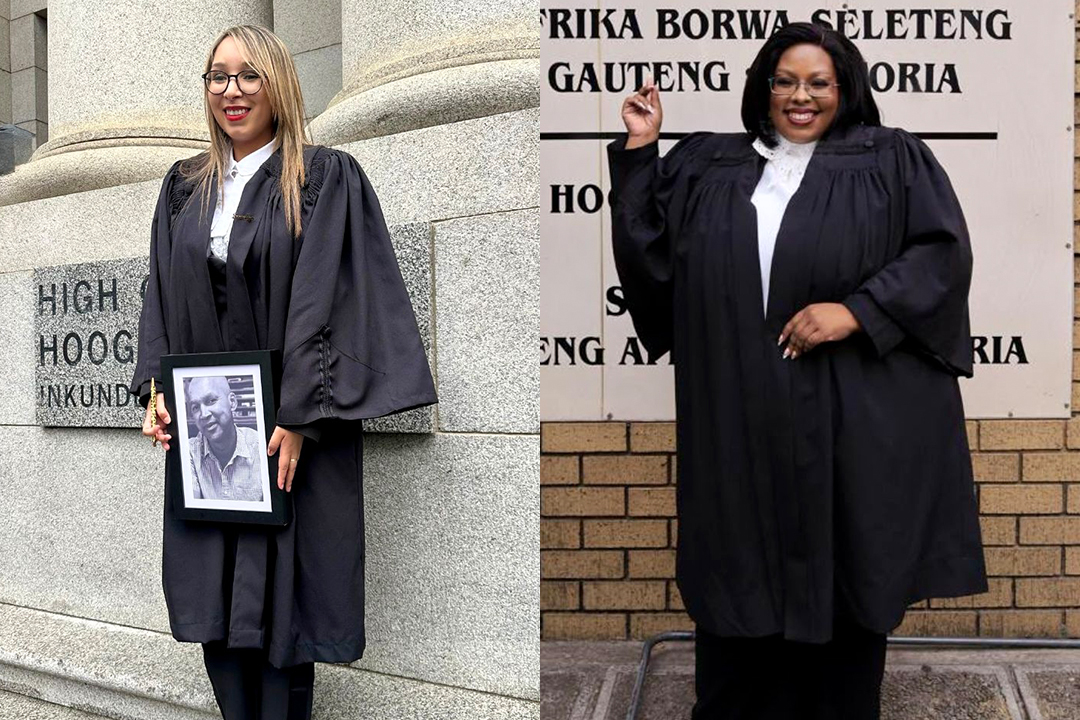 Unisa Law Clinic celebrates two newly admitted attorneys
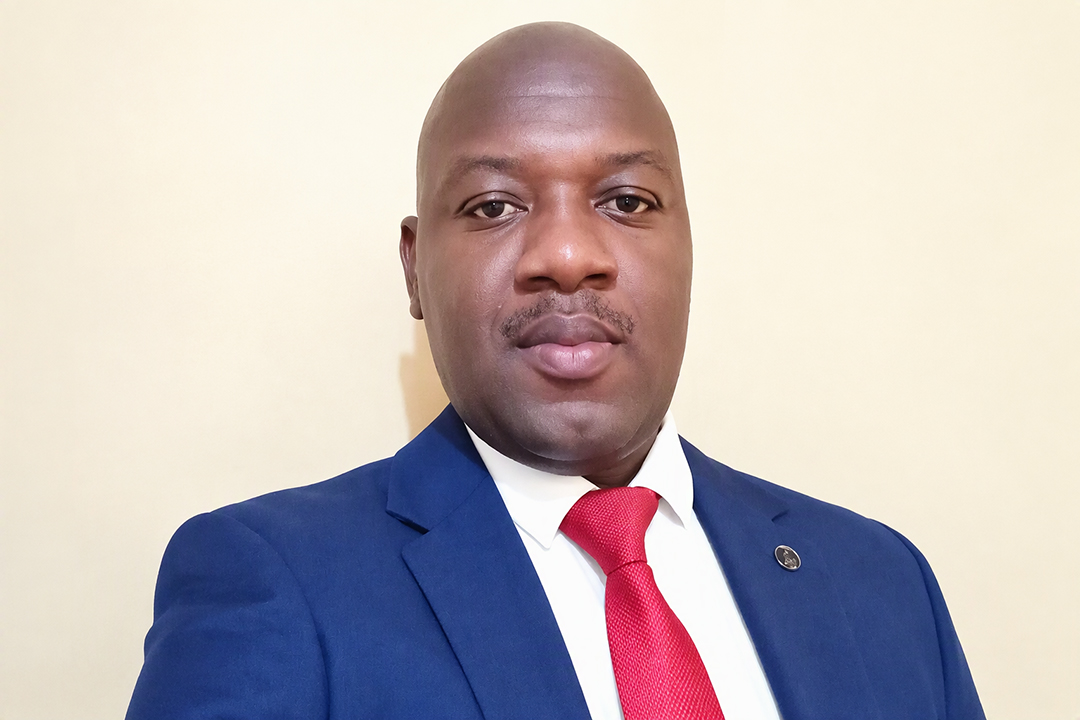 Unisa scholar seeks to strengthen youth work through research and policy influence
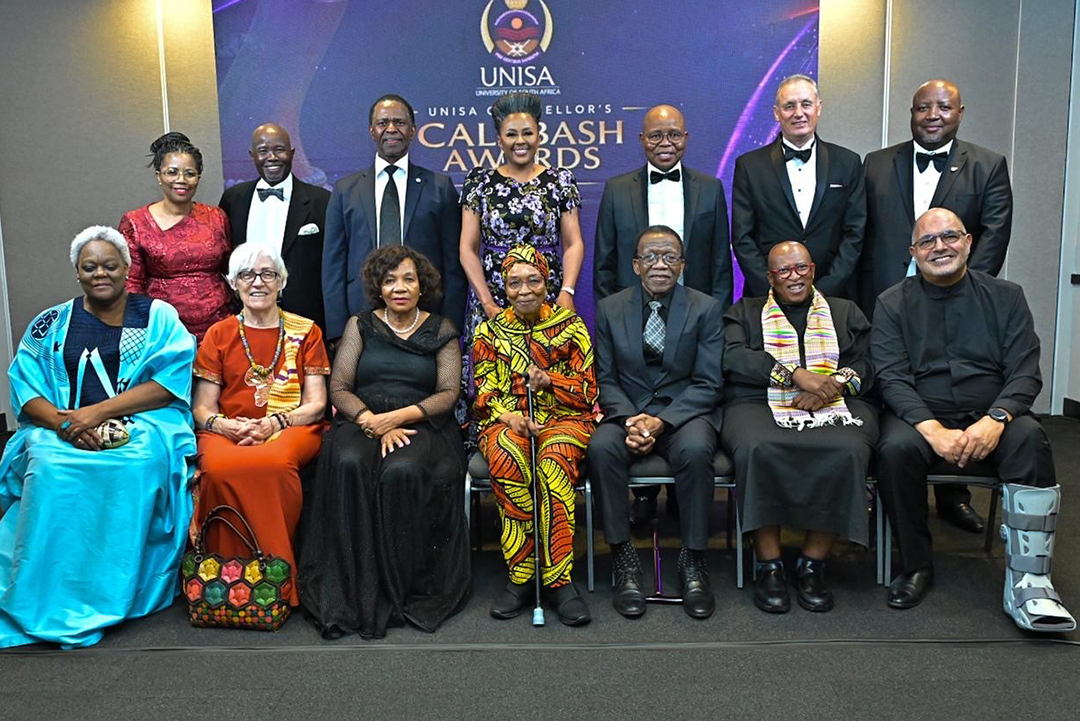 Unisa celebrates legacy and growth at 19th Chancellor's Calabash Awards