

While many academic studies involve young people as research participants, relatively few examine youth work as a specialised discipline and professional practice.
This research gap has implications for the design and implementation of interventions such as after-school programmes and targeted initiatives for young people who are not in employment, education or training (NEET). Without sufficient evidence, policymakers and practitioners have limited guidance when developing effective interventions and making decisions about youth development. Prof Thulani Chauke is seeking to address this gap through research aimed at influencing the national youth development agenda and advancing the professionalisation of youth work in South Africa. His work advocates for youth work to be recognised as a formal profession rather than being viewed primarily as a voluntary service.
"In international contexts, professional youth workers are often integrated into formal education systems to deliver targeted interventions that foster youth mental health, resilience, and life skills that fall outside the standard school curriculum," says Chauke, Associate Professor in the Department of Adult Community and Continuing Education in the College of Education. His research focuses on the relationship between youth development as a form of non-formal education and professional youth work practice. It highlights the value of integrating trained youth workers into formal education systems to strengthen support for young people beyond the conventional classroom curriculum.
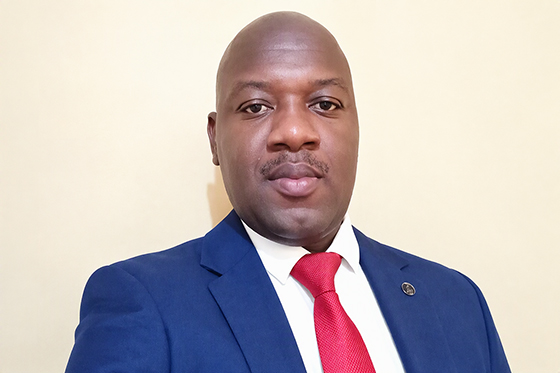
Prof Thulani Chauke
Chauke's research connects with two of Unisa's Catalytic Niche Areas (CNAs): Fourth Industrial Revolution and Digitalisation, and Student Support and Co-Curricular Activities. Within the Fourth Industrial Revolution and Digitalisation focus, his work examines how youth workers use digital technologies in community and youth work settings to improve engagement and service delivery. His research also has a strong health and well-being dimension, particularly in examining how community-based youth work interventions can support young people's mental health, resilience and health literacy.
"My alignment with Health Studies and Medicine stems from evaluating how community-based youth work interventions serve as frontline mechanisms to promote youth mental health, well-being, and health literacy," says Chauke. The connection with Student Support and Co-Curricular Activities lies in the role of youth work as non-formal education. It complements classroom learning by supporting personal development, life skills and broader student support within educational environments. These areas of research contribute to the wider objectives of the United Nations Sustainable Development Goals, particularly SDG 3, which promotes good health and well-being, SDG 4 on quality education, and SDG 8, which focuses on decent work and economic growth. The research also speaks to SDG 10 on reducing inequalities, given its focus on young people who face barriers to education, employment and participation in society.
At the continental level, the work supports the African Union's Agenda 2063, particularly its emphasis on investing in young people, developing human capital and creating opportunities for inclusive participation in Africa's social and economic development. It also relates to South Africa's National Development Plan 2030, which identifies education, skills development, youth employment and social inclusion as important priorities. Chauke is currently involved in two major research activities focused on youth work practice and positive youth development in South Africa. The first examines volunteer-based youth work, with a particular focus on developing a supportive framework for young people who are not in employment, education or training.
The research seeks to identify measures that encourage civic participation while positioning volunteer-based youth work as valuable experience that can be recognised during employment selection processes. As a longer-term objective, Chauke advocates for a policy shift in higher education that would incorporate mandatory community-based youth work before graduation. The proposal aims to encourage active citizenship and strengthen graduates' sense of responsibility towards their communities. The second research activity examines youth mental health and resilience in non-formal educational settings. It considers the psychosocial challenges experienced by both youth workers and young participants, particularly in under-resourced environments.
The research aims to develop an evidence-based framework for improving mental health support, emotional resilience and well-being within the youth work sector, which Chauke describes as insufficiently recognised. "Beyond traditional academic metrics, the real-world influence of my empirical work is evidenced by its direct citation in the Integrated Youth Development Strategy (IYDS) draft by the National Youth Development Agency (NYDA)," he says. The reference to his research in the draft strategy demonstrates its potential to inform policy discussions and strengthen the relationship between academic research and the practical realities of youth development.
Chauke's research brings together academic inquiry, policy development and practical application. By examining how youth work is delivered and supported, his work seeks to contribute to more consistent professional standards, improved service delivery and better outcomes for young people. His research also has an international dimension, with collaborations involving scholars in Canada and Finland. "I have partnered with leading international scholars from Canada to investigate the professionalisation of youth work, as well as scholars from Finland to examine the strategic integration of youth work practice within formal education systems," he says.
These collaborations provide opportunities to compare approaches to youth work across different contexts and consider how international experience could inform professional practice and policy development in South Africa. His contributions to youth development research have also been recognised through several awards. These include being named Postdoctoral Research Fellow of the Year in the Faculty of Humanities at Tshwane University of Technology, receiving Unisa's Research and Innovation Award for Developing/Emerging Researchers as an NRF-rated researcher, and being honoured with the National Research Foundation's Research Excellence Award for Early Career/Emerging Researchers.
Reflecting on his research journey, Chauke says his achievements have been shaped by faith, mentorship and the contributions of those who came before him. "By the Grace of the Lord and the guidance of those who paved the way before me, my research journey in youth development has been both fulfilling and impactful. These accolades reflect both the academic quality and the transformative potential of my research footprint," he says. Chauke's work highlights the importance of treating youth development as a long-term investment rather than a series of isolated interventions. Recognising youth work as a profession, strengthening mental health support and creating pathways for young people to participate in community development can contribute to more sustainable outcomes.
For Unisa, this research demonstrates how academic work can extend beyond scholarly publication to inform policy, influence professional practice and respond to pressing social challenges. By connecting research with the needs of young people, Chauke is contributing to discussions about how South Africa can better prepare, support and empower its youth. His work also reinforces the importance of developing evidence-based approaches that recognise young people not only as beneficiaries of development programmes but as active participants in shaping their communities and futures.
* By Mpho Moloele, PR and Communications, Department of Research, Innovation and Commercialisation.
Publish date: 2026-11-17 00:00:00.0

 Unisa Law Clinic celebrates two newly admitted attorneys
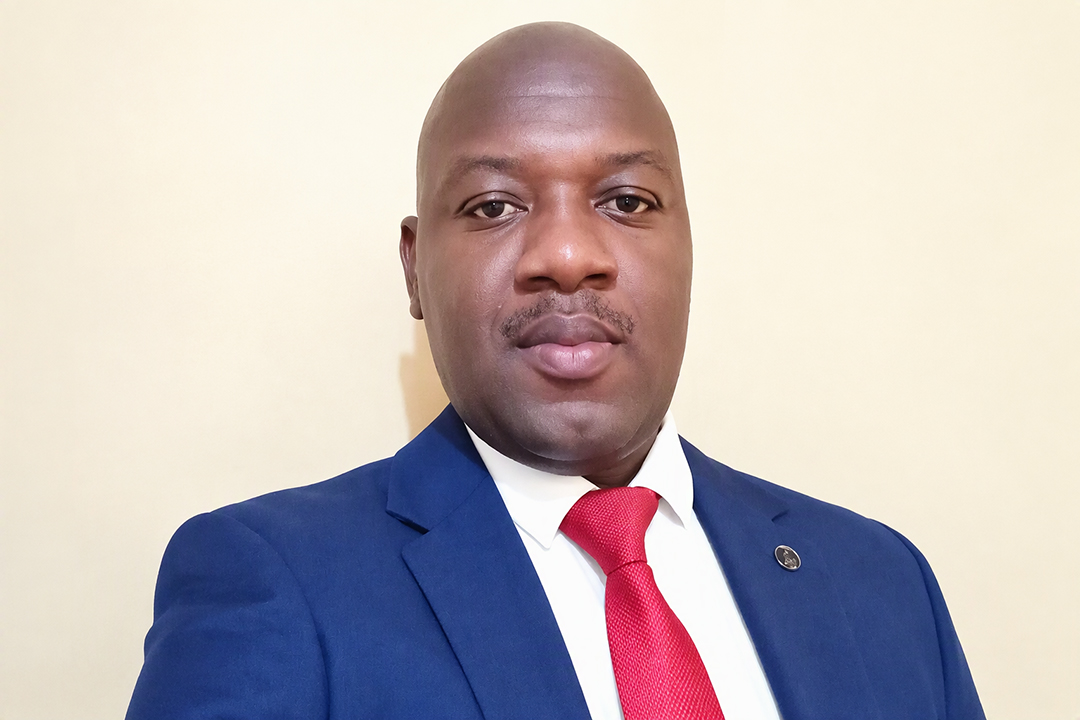 Unisa scholar seeks to strengthen youth work through research and policy influence
 Unisa celebrates legacy and growth at 19th Chancellor's Calabash Awards
 African youth icon DJ Sbu to deliver keynote at 2026 Unisa Innovation Festival
 Unisa staff member earns Master's Degree with distinction while balancing work and research