

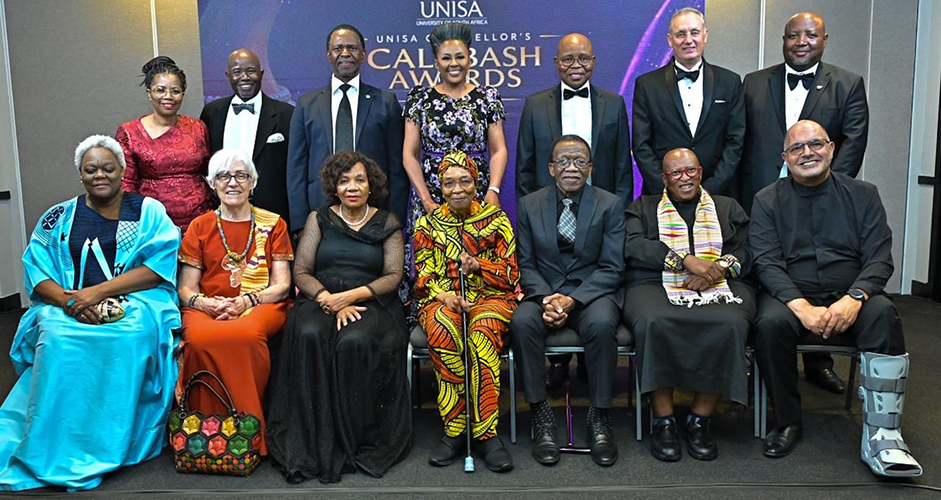
Unisa's Principal and Vice-Chancellor, Prof Puleng LenkaBula and the recipients of the Chancellor's awards in Sandton at the NH Hotel | Photography: Shooheima Champion, Unisa Multimedia Centre
The University of South Africa (Unisa) celebrated distinguished individuals from across South Africa at its 19th Chancellor's Calabash Awards, held at the NH Hotel in Sandton.
The ceremony honoured individuals who have made significant contributions in their respective fields, while reflecting on the university's history, institutional growth and role in shaping education and society. This year's awards also placed the cultural significance of the calabash at the centre of the celebrations. Traditionally associated with African hospitality and community, the calabash has long symbolised sharing, connection and collective responsibility.
In her opening address, Unisa Vice-Chancellor and Principal Prof Puleng LenkaBula described the calabash as more than a vessel, highlighting its symbolism as a medium for connection and intellectual collaboration. "Its true worth is measured not by what it holds, but by how generously it shares its contents," she said, invoking the revolutionary thought of Frantz Fanon.
LenkaBula called for a shift in the African educational paradigm, arguing for the production of indigenous knowledge and greater intellectual independence across the continent. Her call speaks to the importance of strengthening African knowledge systems and ensuring that education contributes to the continent’s development on its own terms. It also reflects the aspirations of the African Union's Agenda 2063, which places education, skills development, cultural identity and the development of African human capital at the centre of the continent's long-term progress.
The address also highlighted Unisa's institutional growth and its contribution to the education sector over its 153-year history. LenkaBula pointed to the university's role in producing graduates, including doctors, and contributing to national research output. She said the number of National Research Foundation-rated scholars at Unisa was expected to grow from 199 in 2021 to more than 360 by 2026. With a presence spanning 130 countries and 26 campuses, including international locations in Ethiopia and the United Kingdom, Unisa serves more than 400,000 students. Its graduates contribute to a range of sectors, including education and finance.
The university's reach and research capacity are important to South Africa's National Development Plan 2030, which identifies education, skills development, research and innovation as essential to reducing poverty, addressing inequality and building an inclusive economy. Unisa's contribution to developing skilled professionals and expanding access to higher education supports these national development priorities. The awards also reflect the broader objectives of the United Nations Sustainable Development Goals, particularly SDG 4, which seeks to ensure inclusive and equitable quality education and promote lifelong learning opportunities for all, and SDG 10, which focuses on reducing inequality. By recognising excellence in education and public service, the ceremony highlighted the role that knowledge, professional achievement and responsible leadership can play in creating more inclusive societies.
The awards recognised individuals across several categories, including education, public service and alumni achievement. Among the recipients was Prof Zakes Mda, who was recognised for his contribution to education. Accepting the award, Mda reflected on his longstanding association with Unisa, describing the institution as a space that transforms lives by opening opportunities through learning. Veteran mining industry figure Terence Goodlace also received an award. In his remarks, he emphasised the role of education in uplifting communities, drawing a connection between his career and the calabash as a symbol of shared responsibility. He said lasting wealth was built through the commitment of people working towards progress.
Justice Thokozile Masipa, another honouree, reflected on her journey as a trailblazer in the legal profession. She highlighted education as an important tool for those seeking to overcome historical barriers, reinforcing its role in creating opportunities and advancing equality. Dr Edward Kieswetter, who was recognised for public service, spoke about the responsibility that comes with serving society. He emphasised the importance of integrity and a commitment to improving people’s lives.
The recipients' contributions also illustrate the importance of sustainability beyond environmental considerations. Building a sustainable society requires continued investment in education, research, ethical leadership and public institutions capable of responding to changing social and economic needs. The development of skilled professionals and the recognition of public service are part of that longer-term responsibility. Across the evening, recipients reflected on themes of resilience, unity and legacy, connecting their individual achievements to the broader contribution of education and public service to society.
The ceremony concluded with expressions of gratitude to Chancellor Dr Thabo Mbeki and those who attended. The evening reinforced the importance of knowledge-sharing, collective responsibility and resilience in advancing social progress in South Africa and across the African continent. Through its teaching, research and engagement with society, Unisa has an important role to play in advancing these priorities. The Chancellor's Calabash Awards provided an opportunity to recognise individuals whose work reflects the contribution that education, leadership and public service can make to building a more equitable and sustainable future.
* By Sipho Jack, Journalist, Department of Institutional Advancement
Publish date: 2026-11-16 00:00:00.0

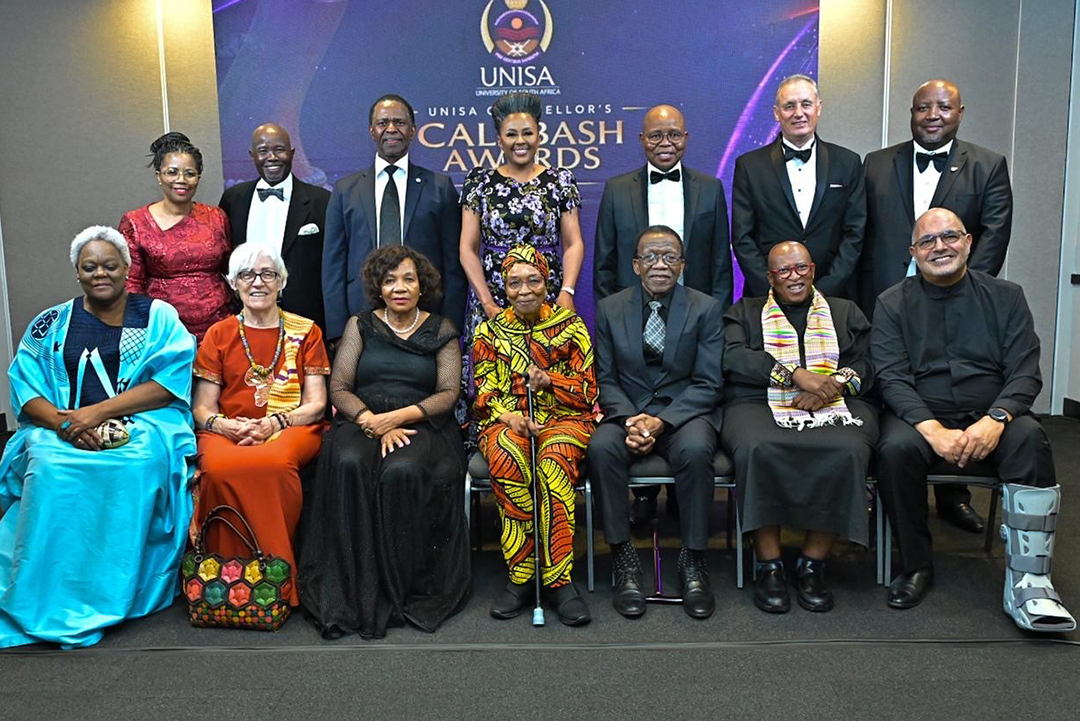 Unisa celebrates legacy and growth at 19th Chancellor's Calabash Awards
 African youth icon DJ Sbu to deliver keynote at 2026 Unisa Innovation Festival
 Tourism strategist Hulisani Thabela to share destination development insights at Unisa Innovation Festival
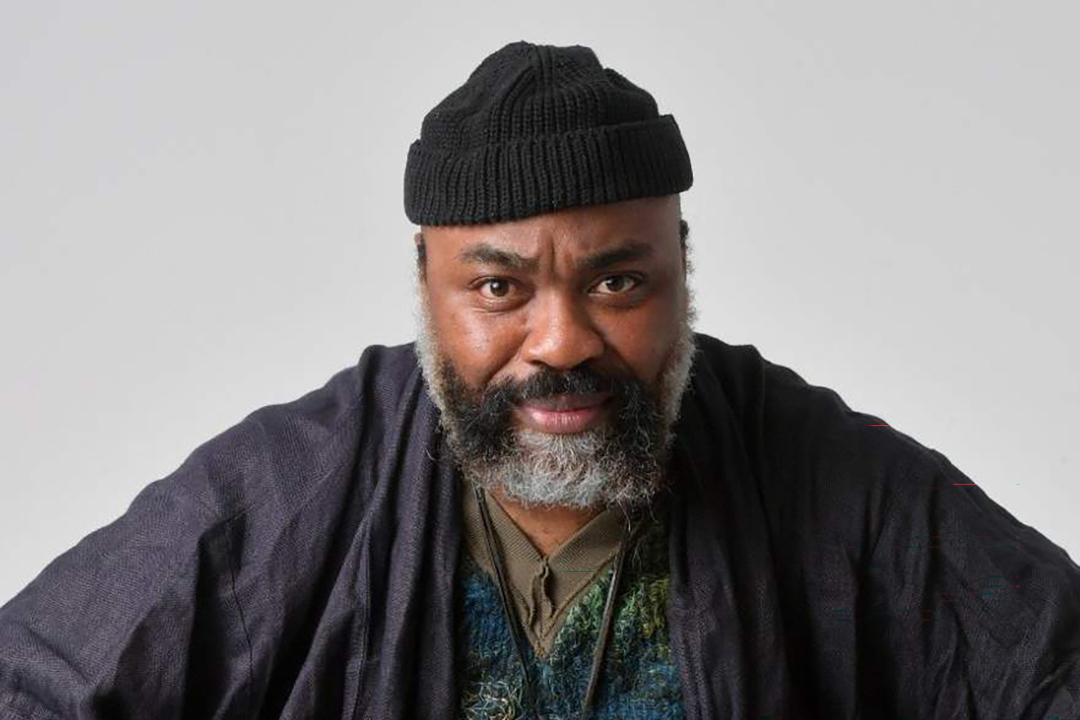 Dr Nduduzo Makhathini to headline 2027 Unisa Decoloniality Summer School
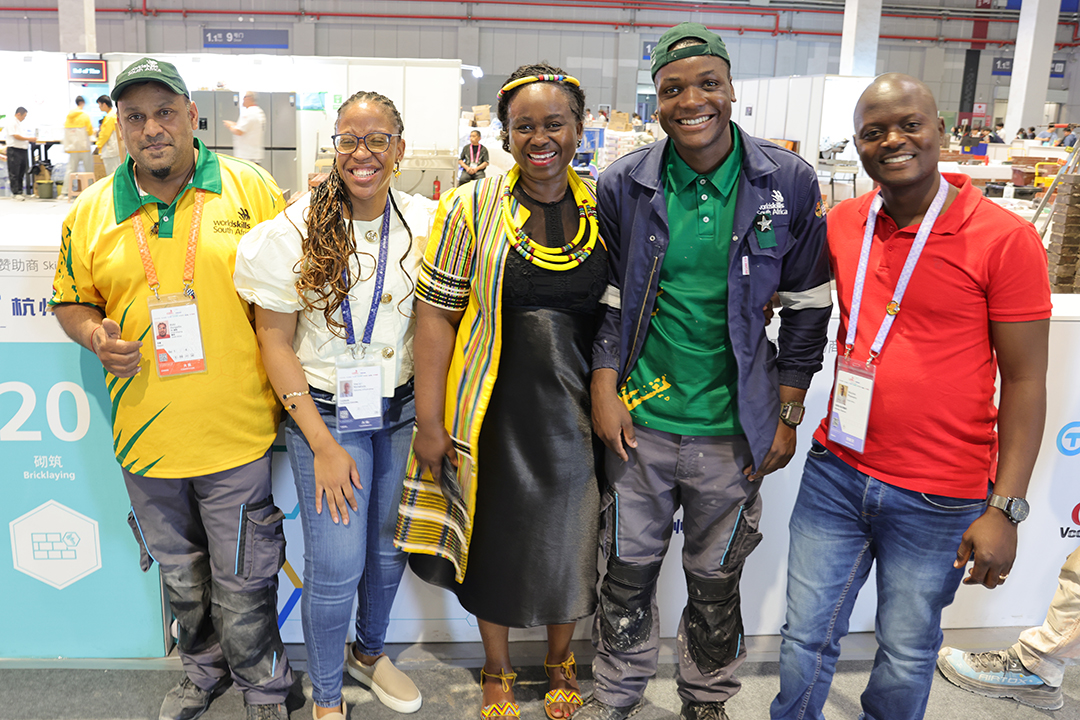 Unisa showcases its TVET contribution at WorldSkills Shanghai 2026