
Towards the leading College of Law and Justice in Africa
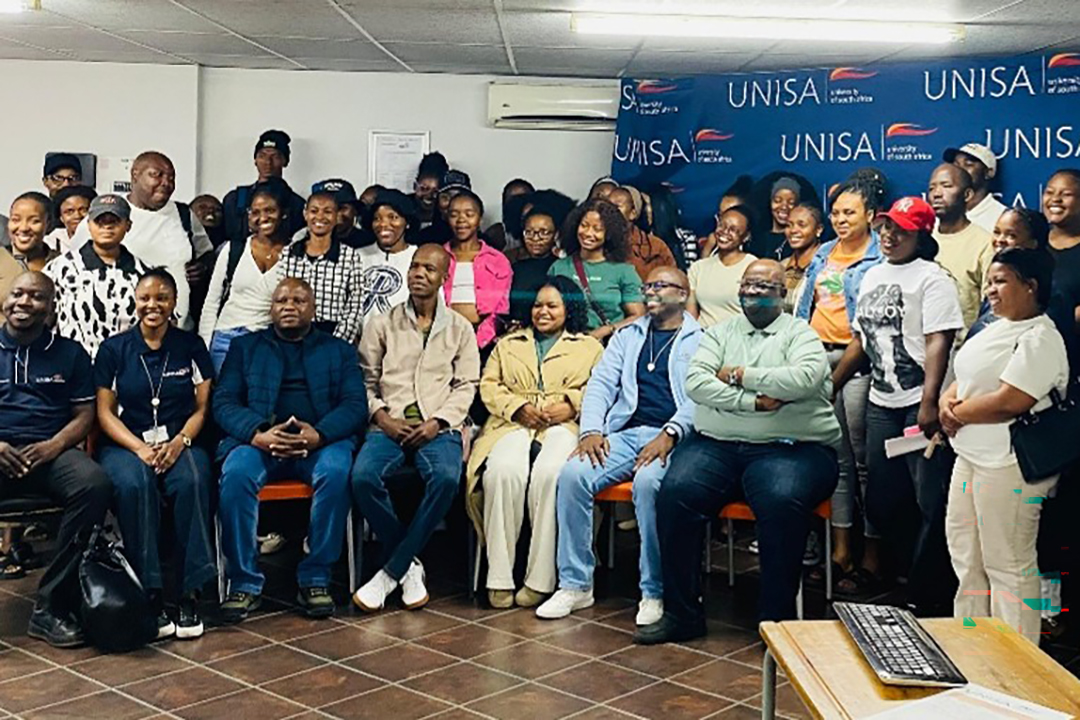
More than 45 University of South Africa (Unisa) students gathered at the Vaal Regional Service Centre for a College of Law Regional Student Indaba aimed at strengthening academic support, improving examination readiness and helping students navigate their studies with greater confidence.
Hosted by the College of Law in collaboration with the Unisa Gauteng Region's Vaal Regional Service Centre, the engagement created an opportunity for students to interact directly with academics and support staff, raise concerns and receive practical guidance on their academic journeys. The programme addressed several aspects of student success, including access to learning resources, effective study methods, assessment preparation, academic integrity, practical exposure and examination support.
By bringing college representatives closer to students, the initiative sought to strengthen communication and ensure that students are aware of the resources and assistance available to them throughout their studies. Welcoming participants, Vaal Regional Service Centre Coordinator Arthur Xorile emphasised the importance of creating opportunities for meaningful engagement between students and the university. He encouraged students to take full advantage of the academic resources and support services available to them, highlighting their importance in helping students manage the demands of studying through Unisa’s open distance e-learning environment.
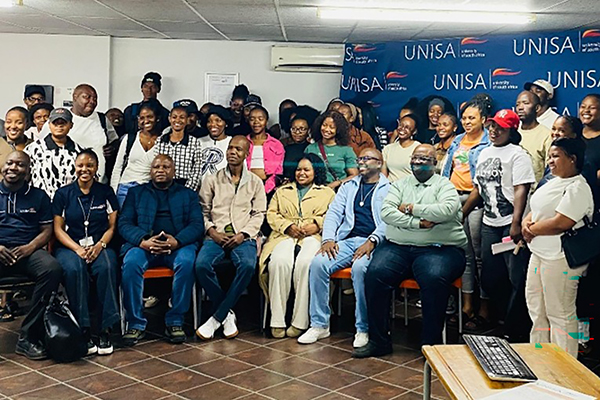
College of Law students participate in the Regional Student Indaba at Unisa’s Vaal Regional Service Centre, where they received guidance on academic resources, assessments, examinations and student support services.
Boyi introduced students to the College of Law and the CLAW Information Centre, outlining the resources available to support their academic progress. She encouraged students to seek assistance whenever they encounter challenges rather than allowing difficulties to affect their performance. The session reinforced the importance of students knowing where to access reliable information and whom to contact for guidance on academic matters. Prof Tuba provided practical advice on studying law modules and preparing for assessments, emphasising the importance of consistent effort, effective time management and a structured approach to learning.
The guidance was particularly relevant to students preparing for examinations, when balancing academic responsibilities and meeting assessment requirements can become increasingly demanding. Dr Labane also addressed module-specific requirements, including those relating to a compulsory law module, and encouraged students to approach their studies with discipline and commitment. Academic integrity formed another important part of the discussions.
Prof Tuba reminded students of their responsibility to uphold ethical academic practices and comply with Unisa's rules and requirements when completing assignments and assessments. The discussions highlighted that academic success requires more than mastering course content. It also depends on responsible study practices, sound preparation and an understanding of the university’s academic expectations.
The indaba also introduced students to opportunities that could strengthen their professional development and broaden their understanding of the legal field. Bosele Mashego from the Law Clinic highlighted the benefits of participating in student organisations and activities that provide practical exposure to different areas of law. Such opportunities can help students connect their academic knowledge with professional practice, develop transferable skills and explore possible career paths within the legal profession. For students pursuing law qualifications through distance learning, exposure to these activities can complement formal studies and contribute to greater confidence as they prepare for the workplace.
The programme concluded with a presentation by Boyi on the support available to students during examinations. She explained where students could seek assistance when encountering examination-related difficulties and encouraged them to make use of the university’s established support channels. An interactive question-and-answer session followed, allowing students to engage directly with college representatives on matters relating to their modules, assessments, examinations and academic support. The participation of representatives from different areas of the College of Law enabled students to obtain information and guidance on several aspects of their studies during a single engagement.
The strong attendance and active participation demonstrated the value of providing accessible opportunities for students to raise concerns, seek clarification and connect with the people responsible for supporting their academic progress. The Regional Student Indaba forms part of the College of Law's broader commitment to strengthening student engagement and supporting students throughout their academic journeys. For Unisa, initiatives of this nature are particularly important within an open distance e-learning environment, where students may not have regular face-to-face contact with their lecturers and other university representatives. By taking academic guidance and support services directly to regional centres, the university is helping bridge this gap and making essential information more accessible.
The initiative also reflects Unisa's contribution to Sustainable Development Goal 4 which promotes inclusive, equitable quality education and lifelong learning opportunities. Providing students with timely academic guidance and accessible support is an important part of creating conditions in which they can progress towards completing their qualifications. Beyond academic performance, supporting law students contributes to developing future legal professionals equipped with the knowledge, ethical awareness and practical understanding needed to serve society and strengthen the administration of justice.
The engagement reinforced the importance of collaboration between academic colleges and regional service centres in ensuring that students receive coordinated and responsive support. The programme was directed by Boitumelo Maretlwa and Lethabo Ramatshila. Through initiatives such as the Regional Student Indaba, Unisa continues to demonstrate its commitment to placing students at the centre of its academic mission and creating opportunities for meaningful engagement that support their success.
* By Thembeka Mpapama, Communication and Marketing Manager, Unisa Gauteng Region, with input from Arthur Xorile, Coordinator, Unisa Gauteng Region – Vaal Regional Service Centre.
Publish date: 2026-10-27 00:00:00.0

 Unisa Law Clinic helps students dress for success through Legal Wardrobe initiative
 Unisa calls for stronger scientific collaboration to build South Africa's climate resilience
 Unisa students triumph at national risk challenge with innovative AI solution
 Unisa College of Law strengthens student support through Vaal Regional Student Indaba
 Unisa joins SANEF in renewed call to defend media freedom and strengthen democracy