
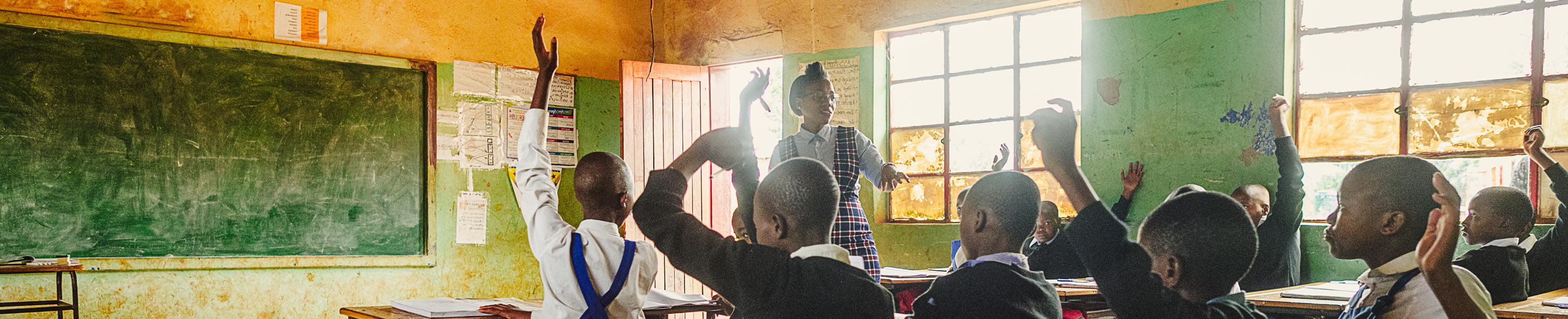
Producing over 40% of teachers in South Africa
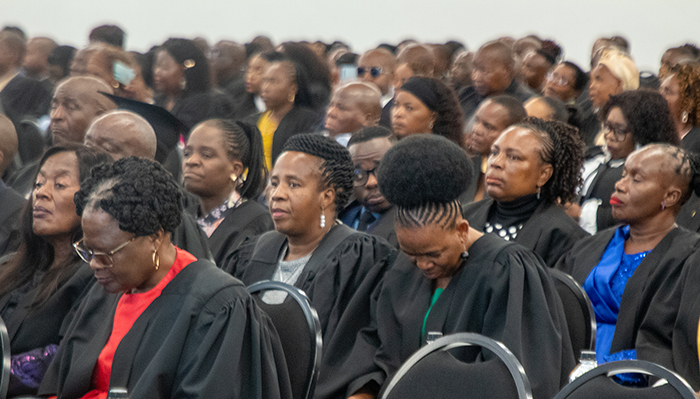
School leaders in attendance at the certificate ceremony
More than 800 school leaders, including principals, deputy principals, heads of department and district-based curriculum officials, were conferred with certificates at a prestigious graduation ceremony hosted by the University of South Africa (Unisa), in partnership with the Limpopo Department of Basic Education (DBE). The event marked the successful completion of the short learning programme in Instructional Leadership in Curriculum Delivery in Schools, and took place at The Ranch Resort in Polokwane on 25 April 2026.
The ceremony represented a major milestone in Limpopo’s ongoing efforts to strengthen leadership capacity within schools and district offices, particularly in the critical area of curriculum delivery. Educators from across the province completed the programme while serving in demanding leadership roles in primary and secondary schools, circuit offices and district education structures.
Proceedings were guided by Prof Sindile Ngubane, who served as programme director and ensured the smooth flow of a programme that combined formal academic recognition with reflection on leadership, service and transformation in education.
The ceremony officially opened with welcome remarks by Dr Nicky Tjano, Acting Director of Teaching and Learning, who oversees teaching and learning strategy, strategic projects and portfolio performance. In his welcome address, Tjano acknowledged the strategic partnership between Unisa and the Limpopo DBE, and emphasised that this partnership, funded by the EDTP SETA, was designed to respond directly to challenges faced by school leaders responsible for curriculum implementation, learner performance and instructional quality.
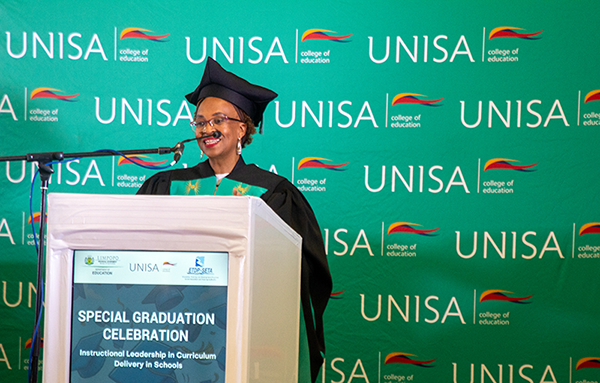
Prof Mpine Makoe
Delivering an overview of the Unisa Limpopo DBE collaboration, Prof Mpine Makoe, Executive Dean of the College of Education (CEDU), highlighted the significance of investing in leadership at the point where policy and classroom practice intersect. She noted that the programme targeted principals, deputy principals, heads of department and district coordinators because of their central role in shaping instructional culture, supporting teachers and ensuring curriculum coherence across grades.
The overview of student performance, presented by Prof Ailwei Mawela, Head of Tuition and Learning in CEDU, reflected high levels of engagement and achievement among the participants. He commended the graduates, many of whom had to balance full‑time leadership responsibilities with academic study, for demonstrating resilience, discipline and a strong commitment to improving teaching and learning in their schools.
An exciting element of the ceremony was the Student Journey segment, in which representatives of the graduating cohort shared personal reflections on their developmental journeys. These testimonies exemplified how the programme equipped principals to lead instructional planning more effectively, empowered heads of department to provide focused curriculum support, and enabled district officials to strengthen coordination and monitoring across schools.
Several graduates shared how participation in this intervention had resulted in tangible professional growth, including appointments to higher leadership positions, enhanced confidence in managing curriculum delivery and improved engagement with teachers on instructional matters. The segment highlighted the diversity of leadership contexts represented at the ceremony, ranging from rural schools to urban districts.
Addressing the audience on behalf of Prof Puleng LenkaBula, Unisa Principal and Vice‑Chancellor, Prof Mpho Ngoepe, Acting Vice‑Principal for Research, Postgraduate Studies, Innovation and Commercialisation, congratulated the graduates on their achievement. He underscored that well‑prepared instructional leaders are central to improving learner outcomes, supporting teachers and ensuring that curriculum reforms translate into classroom practice.
The keynote address followed an introduction by Prof Ramodungoane Tabane, Director of the School of Educational Studies in CEDU. In his keynote, Raymond Martin, a seasoned public sector leader currently serving as Deputy Director General for Business Regulation at the Department of Economic Development, reflected on the evolving demands placed o instructional leaders and the importance of evidence-based decision-making, collaborative leadership, and accountability. He emphasised that effective curriculum delivery depends on leaders who understand both instructional content and the professional development needs of teachers and general staff within the school environment.
The graduates were honoured by the Limpopo MEC for Education, Mavhungu Lerule‑Ramakhanya. During her address, the MEC congratulated the graduates and paid tribute to the pivotal role of principals and heads of department in stabilising teaching and learning environments in schools. She further reaffirmed the department’s commitment to similar programmes that strengthen leadership capacity at both school and district levels, noting their direct contribution to improved learner performance across the province.
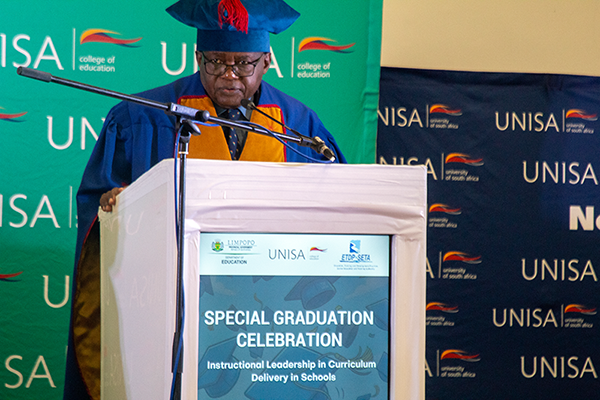
Dr Azwinndini Tshivhase
Delivering an overview of the Unisa Limpopo DBE collaboration, Prof Mpine Makoe, Executive Dean of the College of Education (CEDU), highlighted the significance of investing in leadership at the point where policy and classroom practice intersect. She noted that the programme targeted principals, deputy principals, heads of department and district coordinators because of their central role in shaping instructional culture, supporting teachers and ensuring curriculum coherence across grades.
The overview of student performance, presented by Prof Ailwei Mawela, Head of Tuition and Learning in CEDU, reflected high levels of engagement and achievement among the participants. He commended the graduate, many of whom had to balance full‑time leadership responsibilities with academic study, for demonstrating resilience, discipline and a strong commitment to improving teaching and learning in their schools.
An exciting element of the ceremony was the Student Journey segment, in which representatives of the graduating cohort shared personal reflections on their developmental journeys. These testimonies exemplified how the programme equipped principals to lead instructional planning more effectively, empowered heads of department to provide focused curriculum support, and enabled district officials to strengthen coordination and monitoring across schools.
Several graduates shared how participation in this intervention had resulted in tangible professional growth, including appointments to higher leadership positions, enhanced confidence in managing curriculum delivery, and improved engagement with teachers on instructional matters. The segment highlighted the diversity of leadership contexts represented at the ceremony, ranging from rural schools to urban districts.
Addressing the audience on behalf of Prof Puleng LenkaBula, Unisa Principal and Vice‑Chancellor, Prof Mpho Ngoepe, Acting Vice‑Principal for Research, Postgraduate Studies, Innovation and Commercialisation, congratulated the graduates on their achievement. He underscored that well‑prepared instructional leaders are central to improving learner outcomes, supporting teachers and ensuring that curriculum reforms translate into classroom practice.
The keynote address followed an introduction by Prof Ramodungoane Tabane, Director of the School of Educational Studies in CEDU. In his keynote, Raymond Martin, a seasoned public sector leader currently serving as Deputy Director General for Business Regulation at the Department of Economic Development, reflected on the evolving demands placed on instructional leaders and the importance of evidence-based decision-making, collaborative leadership and accountability. He emphasised that effective curriculum delivery depends on leaders who understand both instructional content and the professional development needs of teachers and general staff within the school environment.
The graduates were honoured by the Limpopo MEC for Education, Mavhungu Lerule‑Ramakhanya. During her address, the MEC congratulated the graduates and paid tribute to the pivotal role of principals and heads of department in stabilising teaching and learning environments in schools. She further reaffirmed the department’s commitment to similar programmes that strengthen leadership capacity at both school and district levels, noting their direct contribution to improved learner performance across the province.
The awarding of certificates was jointly led by Prof Mpho Ngoepe and Prof Mpine Makoe, formally recognising the graduates' achievements. In addition to the general conferment of certificates, a special recognition session, led by Dr Azwinndini Tshivhase, Acting Vice-Principal: Teaching, Learning, Community Engagement and Student Support, together with the MEC, honoured the exceptional accomplishments of the 2025 cohort. Awards included recognition of the 2025 National Senior Certificate best‑performing district, the top three students in the programme, the top three performing districts, the best coordinator, and the ten district coordinators who displayed outstanding leadership.
The ceremony concluded with a vote of thanks by Ntombikayise Mohlaba-Msimeki, Chief Director in the Limpopo Department of Education overseeing Teacher Development and Institutional Support, who expressed appreciation to Unisa, programme facilitators, district offices and the graduates for their dedication. She described the graduation of more than 800 school leaders as a significant investment in the future of education in Limpopo.
* By Freddy Abilio Mlambo, Communication and Marketing Specialist, College of Education
Publish date: 2026-05-18 00:00:00.0

 Turning Africa's potential into human possibility: Reflections from 2026 Chief Albert Luthuli Founders' Lecture
 Prof LenkaBula calls for action on public service ills as 25th SAAPAM Conference opens
 Reimagining justice through Unisa's engaged scholarship
 Unisa geographer elected Fellow of the Society of South African Geographers
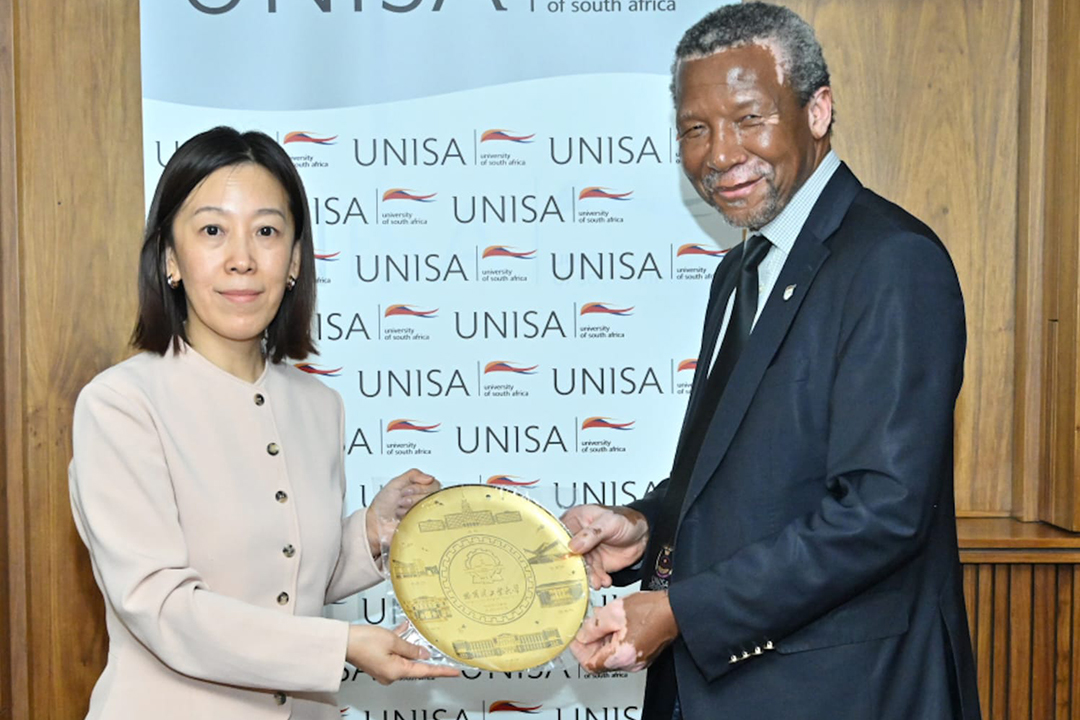 Unisa and Harbin Institute of Technology forge academic partnership