

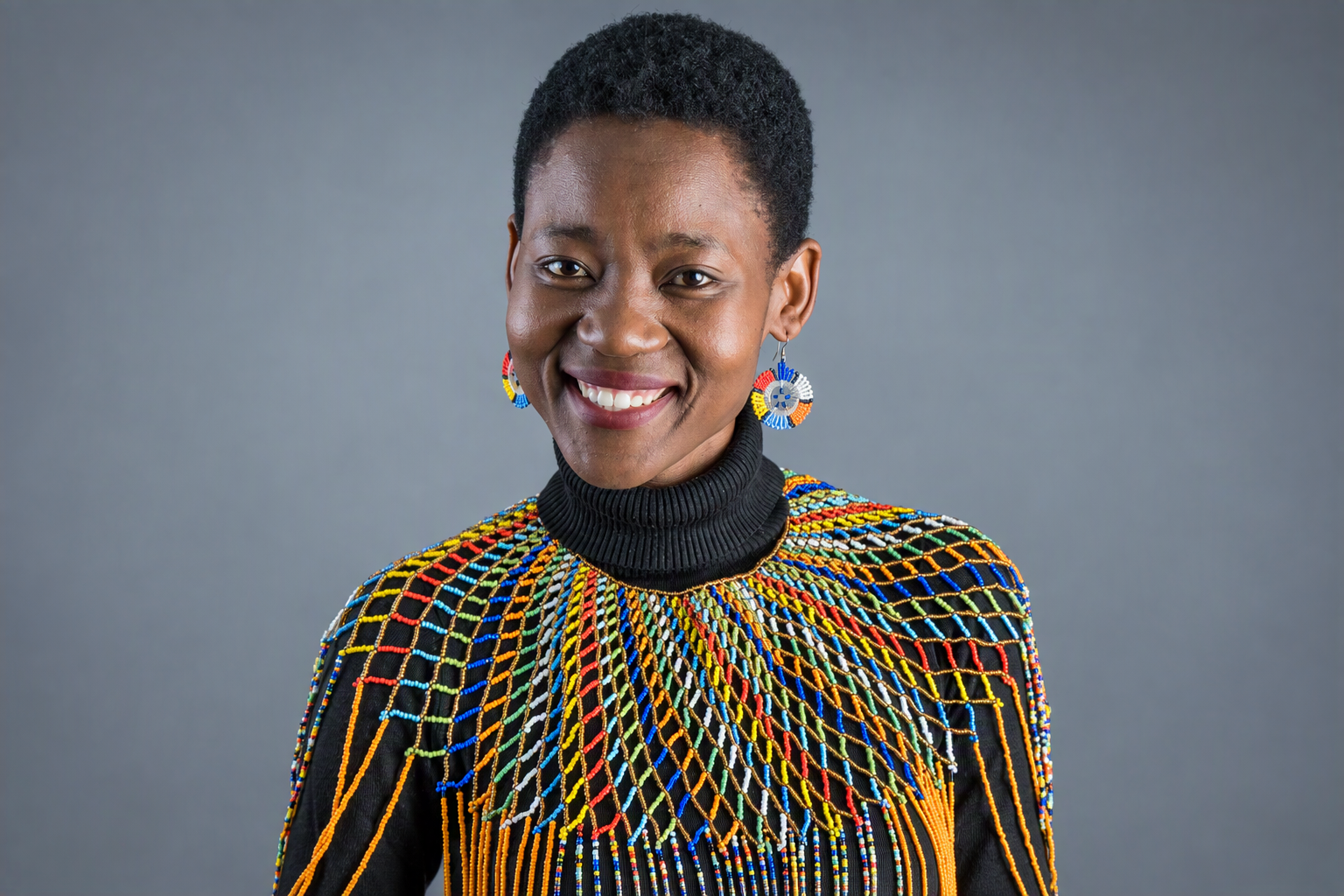
Unisa's Prof Puleng Segalo has been elected to the Academy of Science of South Africa (ASSAf), recognising her contributions to research on gender, identity, memory, social justice and transformation.
The University of South Africa (Unisa) has received another significant academic distinction following the election of Prof Puleng Segalo to the Academy of Science of South Africa (ASSAf), one of the country's leading institutions dedicated to advancing scientific excellence and research for the benefit of society.
Segalo was among seven scholars elected to the academy, with the recognition celebrated during ASSAf's annual awards ceremony at the Birchwood Conference Centre in Boksburg. Her election comes as the academy marks 30 years of promoting scientific excellence, supporting evidence-based policymaking and strengthening the contribution of research to South Africa’s development. For Segalo, the recognition represents both a personal milestone and an opportunity to contribute more broadly to the country's research and scientific community.
"Being selected as a member of ASSAf is one of the highest recognitions a scholar can receive in South Africa," she said. Membership of the academy follows a rigorous peer-review and election process that recognises scholars who have made significant contributions to their disciplines and society. Throughout her academic career, Segalo has devoted her research to understanding some of the most pressing issues shaping South African society, including identity, gender, memory, social justice and transformation.
Her scholarship examines how historical experiences, social inequalities and questions of belonging continue to influence individuals and communities. By placing lived experiences at the centre of academic inquiry, her work contributes to a deeper understanding of the social realities that shape people's lives. It also challenges conventional approaches to knowledge production by highlighting the importance of African perspectives and more inclusive research practices.
Reflecting on her election, Segalo emphasised that the recognition extends beyond her individual academic achievements. It also acknowledges the importance of research that engages meaningfully with communities and addresses issues of inequality, identity and social transformation. Her work demonstrates how scholarship in the humanities and social sciences can contribute to public understanding, inform important conversations and support efforts to build a more inclusive society.
ASSAf plays an important role in strengthening South Africa's research environment and ensuring that scientific knowledge contributes to national development. The academy recognises scholarly excellence across disciplines while encouraging its members to apply their expertise to challenges facing society. Its work includes conducting studies on issues of national importance, producing evidence-based reports to inform policymakers and promoting the development of a strong and credible research publication system.
ASSAf also publishes scientific periodicals that showcase research from Southern Africa and builds partnerships aimed at strengthening scientific capacity and innovation. Through these activities, the academy seeks to ensure that research informs public policy, contributes to national priorities and remains relevant to the communities it ultimately serves. Segalo's election provides an opportunity for her to contribute to these objectives while bringing her expertise in social justice, gender and transformation into wider national and interdisciplinary research discussions.
It also creates opportunities for collaboration with scholars from different fields, strengthening the connections between academic research, policymaking and society. Segalo's recognition reflects the value of research that extends beyond academic publications to engage with the experiences and challenges of ordinary people. For Unisa, her election reinforces the university's commitment to producing knowledge that contributes to social transformation and responds to the needs of South Africa and the African continent.
Her research interests align with the university's broader emphasis on African-centred scholarship, inclusive knowledge production and research that addresses historical and contemporary inequalities. They also resonate with the United Nations Sustainable Development Goals (SDGs), particularly SDG 5 on gender equality, SDG 10 on reducing inequalities and SDG 16 on promoting peaceful, just and inclusive societies. By examining the relationships between identity, memory and social justice, her scholarship contributes to a better understanding of the social and institutional conditions needed to advance these goals.
Her work also speaks to the African Union's Agenda 2063 vision of an inclusive continent in which human rights, gender equality and the contributions of African knowledge systems are recognised and valued. The recognition further highlights the importance of interdisciplinary research in addressing complex societal challenges that cannot be understood through a single academic discipline. As she prepares to take on the responsibilities associated with ASSAf membership, Segalo remains committed to producing research that combines academic excellence with social relevance.
"My research has aimed to generate knowledge that is both academically rigorous and socially relevant," she said. "This recognition motivates me to continue producing scholarship that bridges academia and society, fostering meaningful change within our communities." She also looks forward to working with fellow academy members to strengthen South Africa's research community and contribute to the development of future generations of scholars.
Her election offers an opportunity to advance conversations about the role of African scholarship in shaping knowledge, influencing policy and addressing persistent social inequalities. It also demonstrates the growing recognition of research that centres the experiences of communities and explores the relationship between knowledge, justice and social change. For Unisa, Segalo's achievement is a reminder of the important contribution its academics continue to make to national and international scholarship.
Her election to ASSAf is not only recognition of an accomplished academic career but also an affirmation of the value of research that gives voice to lived experiences, challenges inequality and seeks to build a more just and inclusive society.
* By Sipho Jack, Journalist, Department of Institutional Advancement
Publish date: 2026-11-03 00:00:00.0

 Unisa's Prof Puleng Segalo elected to prestigious Academy of Science of South Africa
 Three Unisa students selected among Africa's top 20 student quality assurers
 Two Unisa professionals honoured for excellence in research and innovation management
 Unisa Astronomy researcher wins prestigious fellowship for her work on star formation
 Unisa equips Student Parliament leaders to champion ethical and accountable governance