

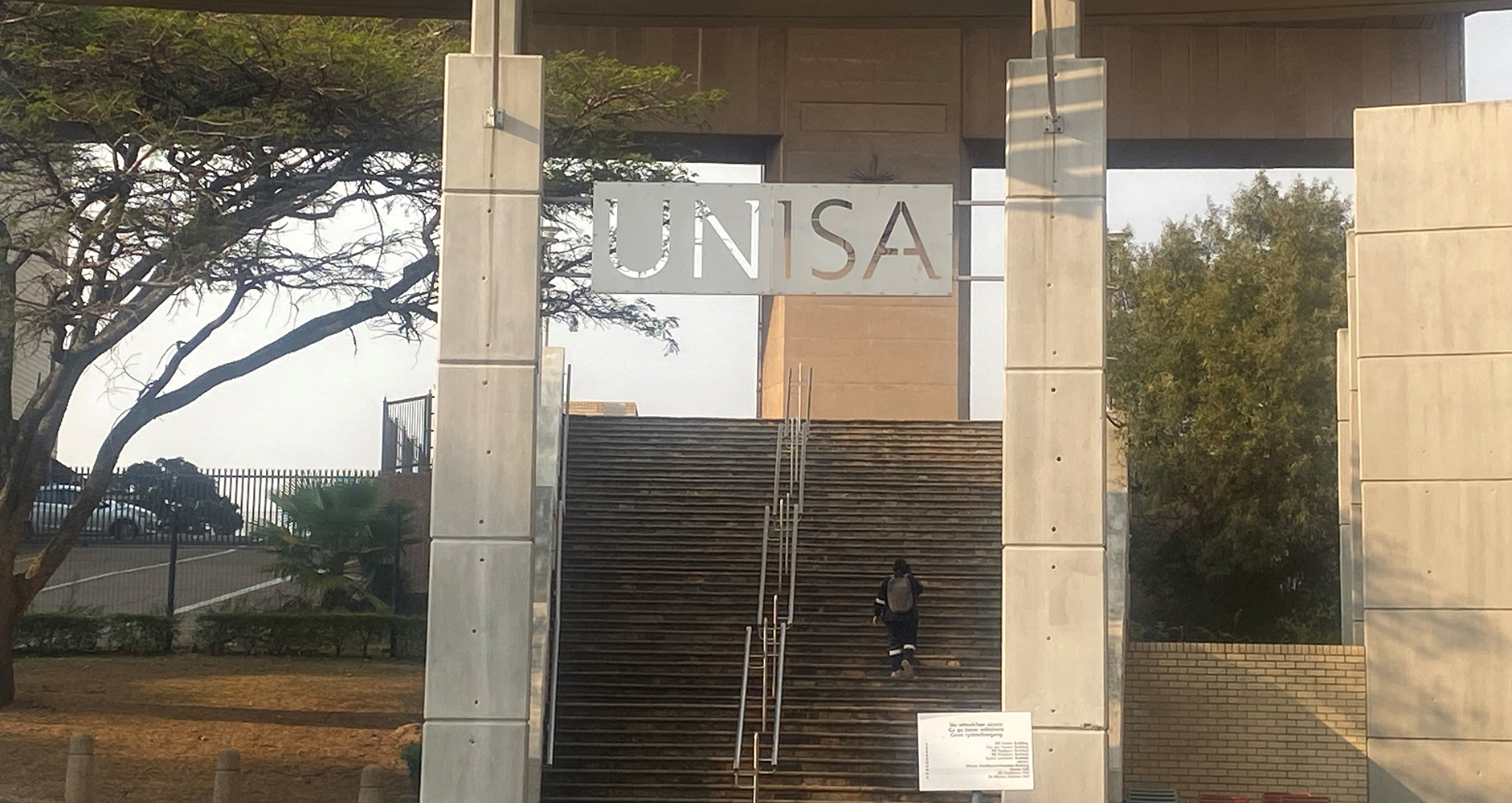
Unisa is stepping up efforts to help address historical student debt, with debt relief measures, bursaries and a fundraising campaign aimed at helping more students clear outstanding balances and access their qualifications.
South Africa's post-school education sector is grappling with about R59 billion in historical student debt, leaving an estimated 165,000 graduates unable to access their academic certificates.
Against this backdrop, the University of South Africa (Unisa) is expanding measures aimed at helping students and graduates affected by outstanding debt.
The university's interventions include debt write-offs for eligible students, institutional bursaries and financial support for students affected by shortfalls in funding from the National Student Financial Aid Scheme (NSFAS).
Unisa is also working with its National Student Representative Council (NSRC) on annual fundraising initiatives to help students settle outstanding debt while encouraging a culture of giving within the university community.
Justice Dabampe, President of the Unisa Convocation, said the fundraising campaign had already demonstrated its potential to make a difference.
Last year's campaign raised R4.8 million, benefiting about 600 students. This year, the Convocation is targeting R10 million through a gala dinner scheduled for 23 September at The Maslow, Menlyn.
The funds will be directed towards assisting students affected by historical debt.
"Attendance requires a minimum contribution of R2,000, with both in-person and virtual options available," said Dibambe.
He also called on corporate partners to support the campaign through financial or in-kind contributions, including internships and training opportunities for students and graduates.
Dabampe said addressing historical debt required more than short-term interventions and called for sustained investment in bursaries and opportunities for graduates.
He also encouraged the university community and alumni to contribute to efforts that support students, while exploring ways in which Unisa’s growth could create employment opportunities for graduates.
Students who believe there are discrepancies in their accounts have also been encouraged to seek clarification.
"Students suspecting discrepancies in their accounts should reach out to our financial office, the Registrar’s office, or the Convocation directly," he said.
Frankie Mojapelo, Acting Director in the Unisa Foundation and Alumni Relations Directorate, said student leadership was central to the fundraising campaign.
"The campaign mobilises students to raise funds for themselves; hence, student leaders are taking the lead," said Mojapelo.
He said the campaign was also intended to establish a culture of giving and strengthen the relationship between students, alumni and the university.
Mojapelo encouraged employed students to contribute to the campaign, noting that eligible donations could qualify donors for a Section 18A tax certificate.
The university's approach combines immediate debt-relief measures with longer-term efforts to strengthen bursary support and encourage alumni and other stakeholders to contribute towards student success.
For graduates who have completed their studies but remain unable to access their qualifications because of outstanding debt, these interventions are intended to provide a pathway towards resolving their financial obligations.
Unisa's ongoing efforts form part of a broader push to ensure that financial barriers do not prevent students from completing their studies or accessing the qualifications they have earned.
* By Sipho Jack, Journalist, Department of Institutional Advancement
Publish date: 2026-09-18 00:00:00.0

 Unisa SBL calls for shift from building houses to creating sustainable communities
 From law graduate to student leader: Tshegofatso Mmope's commitment to justice and empowerment
 Unisa Western Cape honours retirees and celebrates their enduring legacy
 South Africa's transport recovery faces its toughest test: Delivering reliability for all
 Unisa brings higher education opportunities closer to Central Karoo learners