
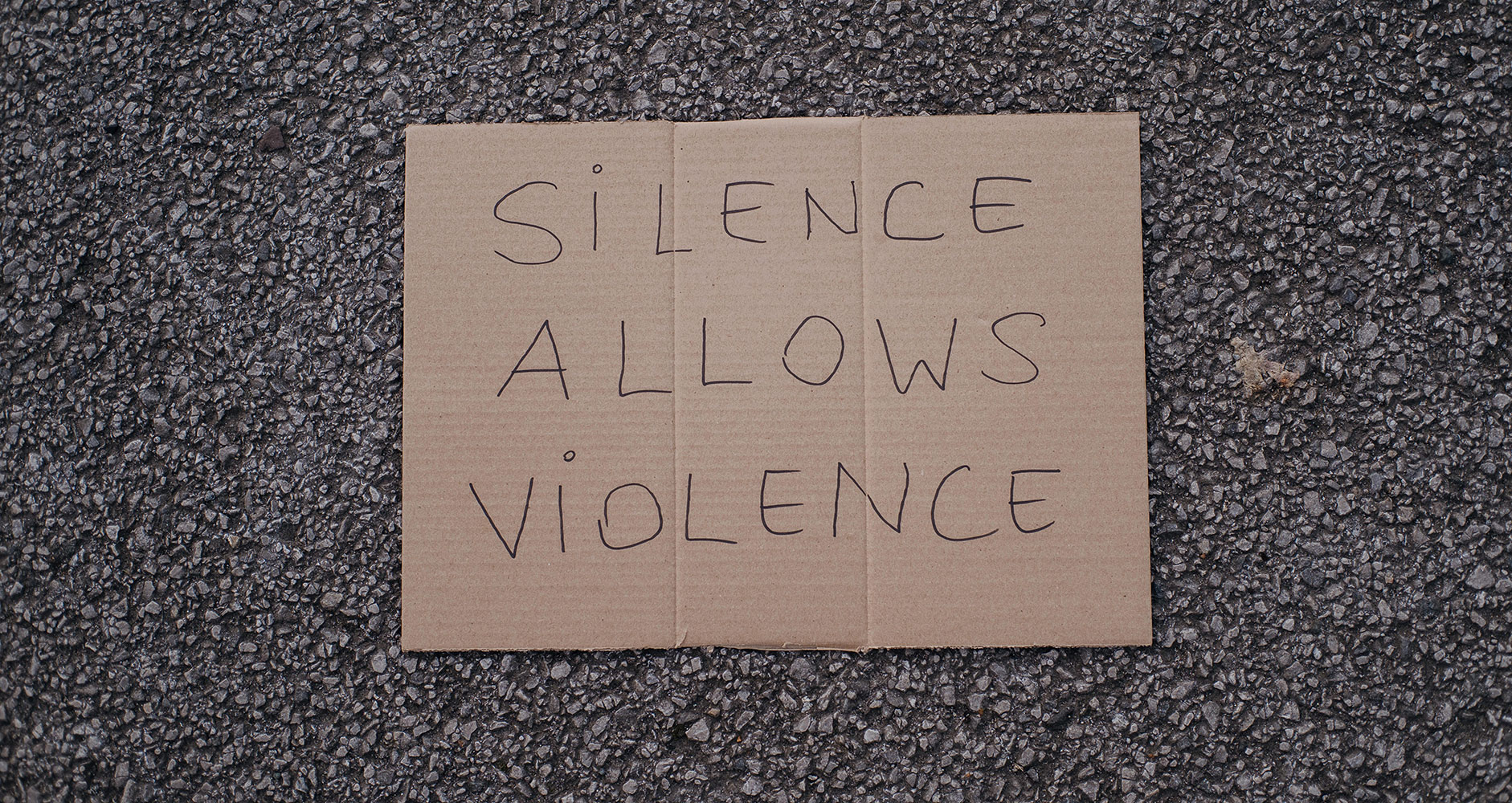
Calls to end GBV in South Africa and protect women and children. Picture: Pexels
More than 30 years into democracy, South African women and girls continue to experience shocking levels of violence, despite the many policies and programmes introduced to address this scourge. This makes the 16 Days of Activism for No Violence Against Women and Children campaign even more urgent.
In 2026, the scale of this crisis was brought into sharp focus by the murders of more than 13 women in Ekurhuleni, whose bodies were discarded in the streets. From a feminist and decolonial perspective, these acts reflect a disturbing message: that the lives of these women did not matter. In African cosmologies, human bodies are not objects to be discarded. They are revered and should be treated with dignity, respect and spiritual responsibility. The murder of these women and the manner in which their bodies were abandoned represent a further violation of the sacred. Violence against women therefore diminishes not only their lives, but our shared humanity.
Research by the Human Sciences Research Council (HSRC) shows that more than 7.3 million South African women and girls report having experienced physical or sexual violence in their lifetime. These figures are not merely an indication of a social problem. They point to a profound failure by institutions, including the state and the justice system, to ensure living, learning and working conditions that uphold the dignity and humanity of women and girls.
Although gender-based violence and femicide (GBVF) affect society as a whole, they are also a serious concern within South Africa’s higher education sector. The 2024 Ministerial Task Team report highlights research by Higher Health and the Commission for Gender Equality (CGE), which begins to address the lack of research on GBVF in higher education. This work demonstrates how deeply entrenched the problem is across the sector. The Task Team report identifies sexual harassment, gender-based violence and other forms of harm as persistent challenges, compounded by weak institutional response and intervention processes.
The CGE's 2024 report similarly raises serious concerns about gender-based violence, including the effects of gender-unequal institutional cultures, questions of safety and the abuse of power by people in positions of authority. Universities and other higher education institutions are meant to provide safe environments for teaching and learning, research and work. Yet students and staff continue to experience rape, sexual harassment, assault, bullying and cyberviolence, among other forms of abuse. These experiences undermine the very purpose of higher education institutions as places where people should be able to learn, work and develop without fear.
Ending GBVF cannot rest solely with the justice system. It requires a collective response that brings together our heads and hearts, focusing on prevention, social and behavioural change, and, above all, institutional accountability. Institutions must move beyond policy commitments and ensure that their responses protect those affected, hold perpetrators accountable and challenge the cultures and power relations that allow violence to persist.
At Unisa, during this campaign period, we reaffirm our commitment to humanising the lives of women and girls within the university, across the higher education sector and in society more broadly. We will be engaging actively across various Unisa spaces to raise awareness of the seriousness of GBVF, its many forms and the harm it causes. We call on leaders across higher education and other societal institutions to stand with us in affirming that the lives of women and girls matter. Their well-being is inseparable from that of our communities and society as a whole. They deserve the same dignity, protection and justice as everyone else. Affirming their lives must be reflected not only in what we say, but also in the actions we take to prevent violence, challenge inequality and ensure accountability.
* By Prof Grace Khunou, Executive Director of the Department of Leadership and Transformation, University of South Africa
Publish date: 2026-11-25 00:00:00.0

 Affirming the lives of South African women and girls in efforts to end GBVF
 Unisa wins three MACE Awards of Excellence for its digital and recruitment work
 Unisa Founders Lecture examines Africa's leadership, agency and transformative potential
 Unisa honours Neville Alexander's legacy through reflection on South Africa's unfinished nation-building project
 Unisa mourns former Deputy President Phumzile Mlambo-Ngcuka