

The African college of excellence in the social and human sciences
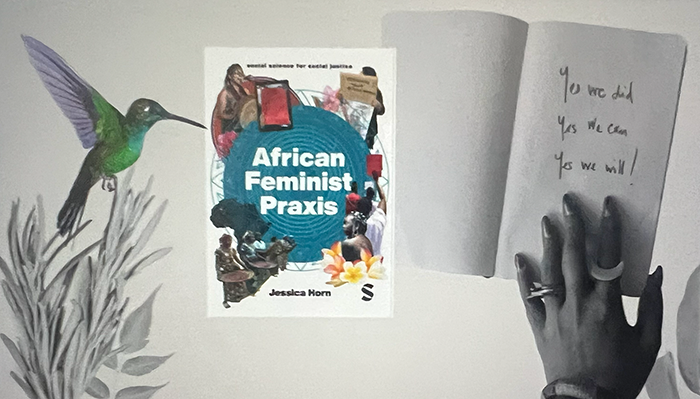
Jessica Horn’s 2025 book, African feminist praxis: Cartographies of liberatory world‑making
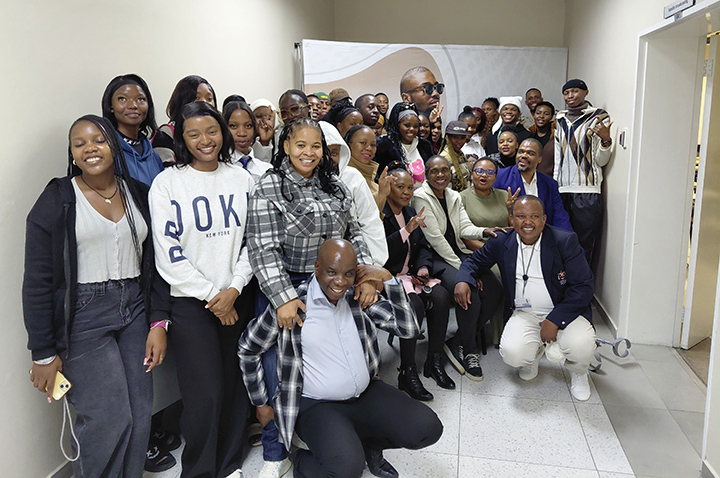
On Tuesday, 5 May, the Department of Gender and Sexuality Studies (DGSS) in the College of Human Sciences successfully hosted acclaimed scholar-activist Jessica Horn as part of its third annual lecture series, titled "Embodied African feminism: Transformative knowledge, justice and liberatory futures". The lecture gathered scholars, activists, students and community members from across the globe in a resonant intellectual space grounded in African feminist traditions and futures.
At its core, this year’s lecture series invited participants to return to feminism as a lived, embodied practice rather than a distant abstraction. It foregrounded African feminist knowledge as something carried in bodies, relationships, memory and struggle – knowledge that emerges from care work, resistance, pleasure and survival. In doing so, the series reaffirmed that transformative scholarship is never neutral: it is situated, relational and always accountable to the worlds it seeks to remake.

Natalia Molebatsi
Opening the programme, Natalia Molebatsi, researcher and lecturer in the Department of Gender and Sexuality Studies, situated the lecture not simply as an academic event, but as a coming together of ideas, struggles and commitments. She reminded the participants that African feminism is not merely a theoretical orientation, but a practice accountable to the communities it seeks to transform. In this framing, feminism emerged not as an identity limited to women, but as a collective ethical and political responsibility.
Delivering the official opening welcome remarks on behalf of the School of Social Sciences Director, Prof Azwihangwisi Mavhandu-Mudzusi, DGSS chair Prof Itumeleng Mothoagae emphasised that the lecture series is integral to advancing scholarship that is both rigorous and socially grounded, and that centres African epistemologies, feminist, womanist, bosadi and queer theorisations as essential frameworks for intellectual inquiry and social change.
Jessica Horn, a distinguished East African feminist practitioner, writer and thought leader, whose interdisciplinary work spans policy, community organising, embodiment and futures thinking, was the highlight of the day. In her keynote address, Horn offered a profound meditation on African feminist praxis as embodied knowledge. "Praxis is a form of transformative knowledge," she said, adding that "it is the idea that there is a commitment to thought and action, and that thought and action always come together". Her feminist scholarship and praxis are produced through struggle, care, memory and imagination. Drawing on decades of movement experience across the continent, she traced African feminism’s roots to anti-colonial resistance, women’s organising, queer world-making and struggles for bodily autonomy, health and justice. African feminisms, she emphasised, emerged as resistance to the colonial reordering of life, rooted in collective survival, refusal and freedom-making.

Jessica Horn (Photo: LinkedIn)
Through compelling examples, Horn illustrated how African feminists have historically enacted justice through care practices, particularly in contexts of crisis. She highlighted women living with HIV/AIDS who pioneered collective models of healing and accountability; feminist activists responding to sexual violence during North African uprisings; and Liberian feminists who led gender-responsive humanitarian responses during the Ebola epidemic, as well as the courage and triumph of South African women during the struggle against apartheid. "I write about the tremendous work that Black South African feminists did in turning around a global discourse that was set to bury Ma’am Winnie Mandela in vilification on her passing," she said passionately. In each instance, African feminist praxis was shown to operate simultaneously at the levels of embodiment, community and structure.
A central provocation of the lecture was the call to take feminist memory and archiving seriously. Horn challenged participants to reflect on how African feminist contributions are routinely erased, diluted or appropriated, and urged a radical politics of citation. "To cite African feminists is itself a revolutionary act," she argued. For Horn, citation resists erasure and affirms collective lineage. Throughout the lecture, Horn drew extensively on her 2025 book, African feminist praxis: Cartographies of liberatory world‑making. The book documents decades of African feminist movement practice across the continent, offering a rich archive of how African feminists have enacted freedom through kinship, care, courage, memory and collective imagination. The text advances what Horn describes as an archival futurism: the cultivation of feminist memory in the present so that liberatory futures remain possible.
The lecture concluded with a stirring call to reclaim the future as a site of feminist agency. In a global context marked by extraction, inequality and ecological crisis, Horn reminded the participants that African feminisms have always been oriented toward world-making, a way of crafting life-affirming alternatives in the face of catastrophe.
The session closed with reflections, questions and affirmations from scholars, activists and students, highlighting themes of pleasure as resistance, care as strategy and community as survival. What emerged was not only an appreciation of African feminist scholarship, but a renewed commitment to living it.
As DGSS continues its 2026 lecture series, this opening lecture powerfully affirmed that African feminism is not only a body of knowledge, but a living, breathing praxis of freedom. Horn concluded the lecture as she ended her book with the chant "Aluta feminista continua" – the feminist struggle continues.
* Submitted by Natalia Molebatsi, Department of Gender and Sexuality Studies, College of Human Sciences
Publish date: 2026-05-15 00:00:00.0
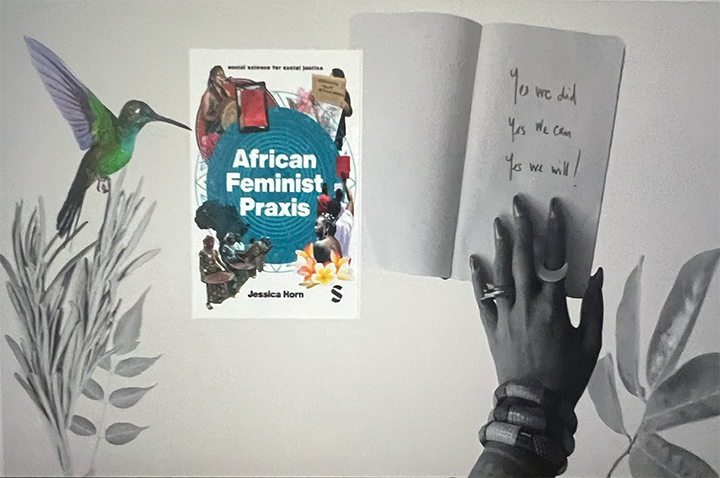 Unisa lecture calls for a return to feminism as a lived, embodied practice
 Unisa hosts autism seminar, calls for action beyond awareness
 Midlands Region strengthens strategic partnerships through dialogue
 Unisa launches CEO Leadership and SDGs Series
 Unisa empowers students living with disabilities through resilience and support initiatives