

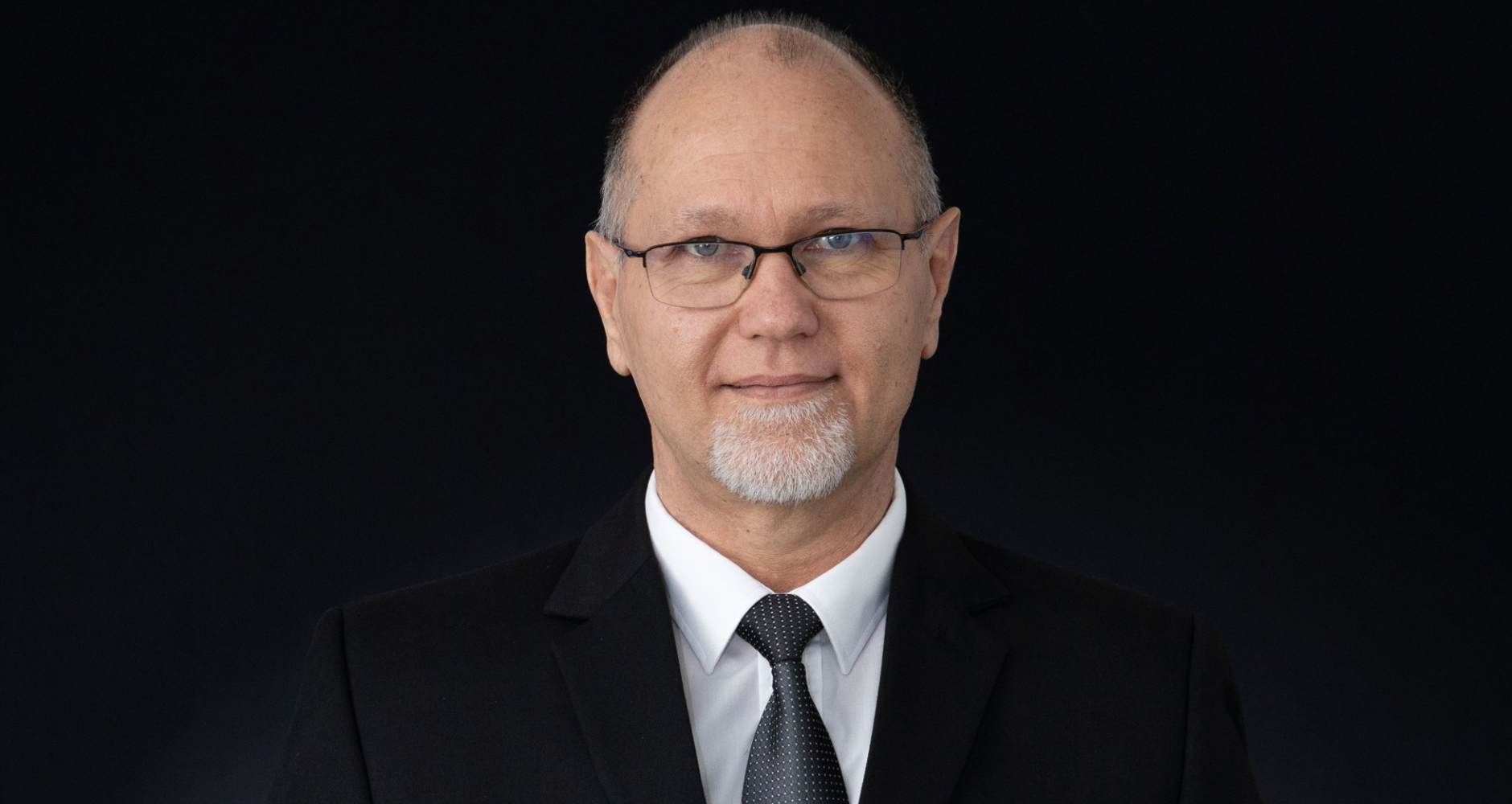
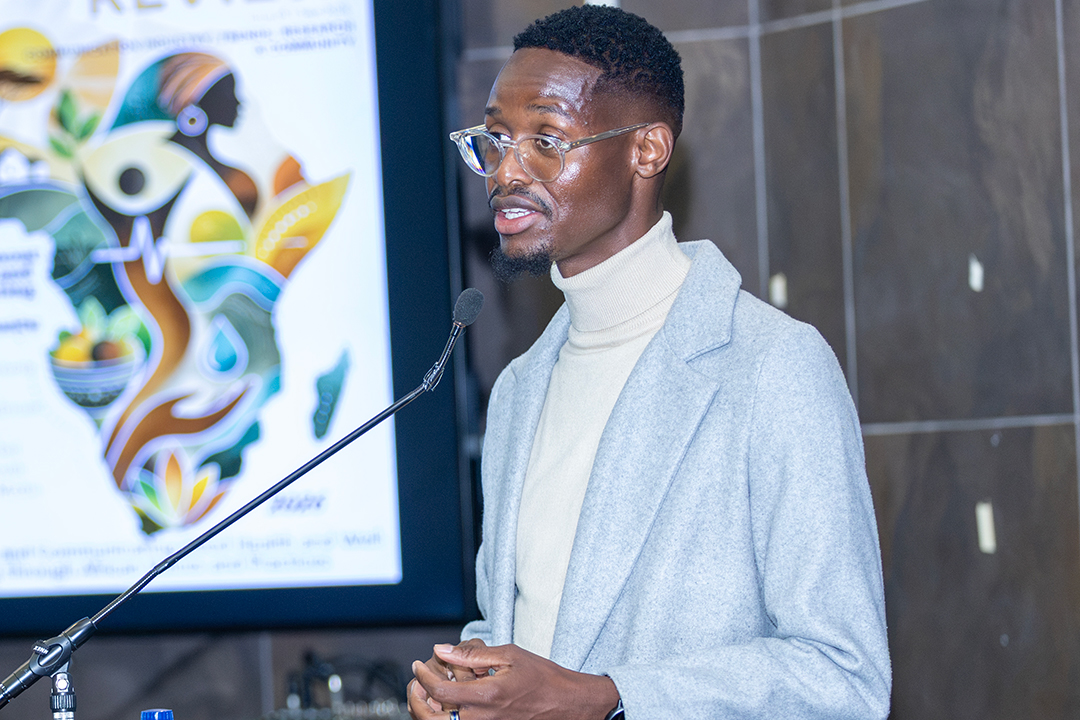
Prof Lessing Labuschagne, seconded as Unisa's Vice-Principal: Research, Postgraduate Studies, Innovation and Commercialisation.
The University of South Africa (Unisa) has appointed Prof Lessing Labuschagne as Acting Vice-Principal: Research, Postgraduate Studies, Innovation and Commercialisation, effective 1 October 2026, as the institution strengthens its leadership in research, innovation and postgraduate education.
The appointment was confirmed by Unisa Principal and Vice-Chancellor, Prof Puleng LenkaBula, who announced that Labuschagne would serve in the position until a permanent appointment is made.
The recruitment process is already underway, ensuring continuity in a portfolio central to the university's academic development and its ambition to strengthen its position in the African and global research landscape.
Labuschagne brings more than three decades of experience in higher education, research management, innovation, commercialisation, governance and institutional transformation.
According to the official communication from the Office of the Principal and Vice-Chancellor, his appointment is intended to advance research excellence, strengthen postgraduate success, expand innovation and commercialisation opportunities, and deepen institutional partnerships and collaborations.
He will also play a leading role in accelerating the development of Unisa's Catalytic Niche Areas (CNAs), which form an important part of the university's strategy to produce research that addresses pressing societal and developmental challenges.
The appointment comes at a time when universities are increasingly expected to demonstrate how academic research can contribute to economic growth, technological advancement, public policy and sustainable development.
Labuschagne holds a Doctor of Commerce (DCom) in Informatics and has built a distinguished career spanning more than 30 years in higher education leadership and research management.
Before his secondment, he served as Executive Director: Research, Innovation and Commercialisation at Unisa, where he contributed to strengthening the university's research environment, supporting innovation and developing institutional systems that enable academic excellence.
His experience extends across research governance, institutional transformation, innovation management and the commercialisation of research, placing him in a strong position to lead a portfolio that connects academic scholarship with practical applications.
In 2021, Labuschagne received Senior Research Management Professional (SRMP) status from the International Professional Recognition Council (IPRC).
The five-year recognition, covering 2021 to 2026, acknowledged his professional achievements and contribution to advancing research management as a recognised discipline.
His background in research administration and institutional leadership is particularly relevant as Unisa seeks to strengthen the systems, partnerships and resources required to sustain its research ambitions.
As Acting Vice-Principal, Labuschagne will provide strategic leadership across research, postgraduate studies, innovation and commercialisation, with particular emphasis on improving research performance and creating an environment in which postgraduate students and academics can thrive.
His responsibilities include supporting research excellence, strengthening postgraduate success and identifying opportunities to translate academic discoveries into innovations that benefit society.
Postgraduate education remains central to this mandate. Beyond producing graduates with advanced qualifications, universities play a critical role in developing the next generation of researchers, academics and professionals capable of responding to complex challenges.
For Unisa, strengthening postgraduate support also means ensuring that students have access to the academic guidance, research opportunities and institutional resources necessary to complete their studies successfully.
This work contributes directly to the United Nations Sustainable Development Goal 4, which promotes inclusive, equitable and quality education, including access to higher education and opportunities for lifelong learning.
As an open and distance e-learning institution serving students across South Africa and beyond, Unisa occupies an important position in expanding access to postgraduate education while building research capacity on the African continent.
Labuschagne's leadership will therefore be important in ensuring that postgraduate development remains closely connected to the university's broader research priorities.
A major focus of Labuschagne's portfolio will be advancing Unisa's Catalytic Niche Areas, which are intended to strengthen interdisciplinary research and direct academic expertise towards challenges affecting Africa and the wider world.
The CNAs provide opportunities for researchers from different disciplines to collaborate, share knowledge and develop solutions that extend beyond traditional academic boundaries.
Their development is particularly significant as universities increasingly recognise that challenges such as climate change, technological disruption, water insecurity and socioeconomic inequality require coordinated responses involving multiple fields of expertise.
Through its research and innovation agenda, Unisa seeks to contribute to addressing these challenges while strengthening its international academic standing.
Labuschagne will be responsible for supporting the continued development of these research priorities and encouraging stronger collaboration between academics, postgraduate students, industry partners and other stakeholders.
The university's work in technological innovation and research commercialisation also supports Sustainable Development Goal 9, which promotes innovation, resilient infrastructure and sustainable industrial development.
By encouraging research that can be translated into practical technologies, services and solutions, the portfolio has the potential to strengthen the relationship between academic knowledge and economic development.
Labuschagne assumes his responsibilities at a time when Unisa continues to build on its research achievements and strengthen its contribution to knowledge production.
As Africa's largest open and distance learning institution, the university has invested in expanding its research capacity, supporting academic excellence and developing partnerships that enhance the reach and impact of its scholarly work.
These efforts have contributed to growth in research outputs, improvements in global university rankings and an increase in the number of National Research Foundation-rated researchers across various disciplines.
The university's investment in its CNAs has also provided a framework for strengthening research collaboration and encouraging scholarship that responds to national, continental and international priorities.
Maintaining this progress will require sustained attention to research quality, postgraduate development, innovation and the institutional systems that support academic productivity.
Labuschagne's appointment is expected to provide leadership continuity in these areas while the university completes the process of appointing a permanent Vice-Principal.
His experience in research management will be particularly important in supporting the university's efforts to strengthen its research environment and expand opportunities for collaboration.
Beyond strengthening academic performance, Labuschagne's portfolio will focus on ensuring that knowledge generated at Unisa contributes to addressing challenges facing communities, industries and public institutions.
Research commercialisation forms an important part of this work, creating opportunities for academic discoveries to be developed into technologies, products, services and other innovations with practical value.
For universities, the challenge is not simply to produce more research but to ensure that relevant findings reach the people, institutions and sectors that can benefit from them.
This requires stronger connections between researchers, government, industry and civil society, as well as institutional support for innovation and knowledge transfer.
The emphasis on partnerships also reflects Sustainable Development Goal 17, which recognises collaboration and the sharing of expertise and resources as essential to achieving sustainable development.
By strengthening relationships with external partners, Unisa can create additional opportunities for its researchers and postgraduate students to participate in projects that address real-world challenges.
The portfolio will also seek to encourage collaboration within the university, allowing researchers from different colleges and disciplines to combine their expertise in pursuit of shared objectives.
These efforts are expected to reinforce Unisa's commitment to producing research that is academically rigorous, socially relevant and capable of contributing to Africa's development.
Although Labuschagne's appointment is temporary, the responsibilities attached to the position are significant.
He takes charge of a portfolio that plays an important role in shaping Unisa's research direction, supporting postgraduate education and ensuring that innovation and commercialisation remain central to the university's institutional strategy.
His immediate responsibility will be to maintain progress across these areas while strengthening the foundations for continued research excellence and collaboration.
The secondment also provides an opportunity to build on the work already undertaken within the Research, Innovation and Commercialisation division, where Labuschagne previously served as executive director.
His familiarity with the university's research environment, institutional priorities and strategic partnerships is expected to support continuity as the permanent recruitment process proceeds.
As Unisa continues to position itself as a leading African institution in knowledge production and innovation, the research and postgraduate portfolio will remain central to its efforts to connect academic excellence with meaningful societal impact.
The university has wished Labuschagne success in his new responsibilities, expressing confidence in his ability to contribute to its research, postgraduate studies, innovation and commercialisation ambitions.
For Labuschagne, the appointment represents an opportunity to build on more than three decades of experience while helping guide Unisa through an important period in the development of its research and innovation agenda.
* By Lesego Chiloane, Journalist, Department of Institutional Advancement
Publish date: 2026-10-08 00:00:00.0

 Prof Lessing Labuschagne takes helm of Unisa's Research and Innovation portfolio
 Unisa Spring Graduation opens with stories of perseverance and achievement
 Unisa academic helps develop AI system to stay ahead of cryptocurrency scams
 Unisa Press authors tackle municipal corruption and rethink African research
 Unisa calls on students to reclaim their voice in the age of AI