
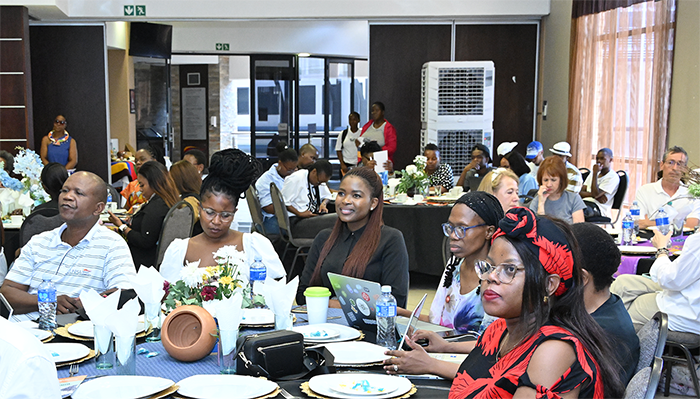
The venue was filled to capacity
Unisa’s Directorate of Language Services (DLS) recently hosted a ceremony to celebrate International Mother Language Day (IMLD), an annual observance that promotes linguistic and cultural diversity and multilingualism. The event, themed "Celebrating Voices of Diversity: Building Bridges Through Mother Language", was held on 20 February 2026 at Unisa’s Muckleneuk Campus.
In November 1999, the United Nations Educational, Scientific and Cultural Organization (UNESCO) approved the observation of 21 February as IMLD, in commemoration of the students at Dhaka University, who, demonstrating for recognition of their language, Bengali, as one of the two national languages of the then Pakistan, were shot and killed by police. IMLD has been celebrated globally since 21 February 2000.
In his introduction and welcome remarks, Dr Azwinndini Tshivhase, Acting Vice-Principal: Teaching, Learning, Community Engagement and Student Support, encouraged attendees to reflect on the possibilities of studying in their mother languages.
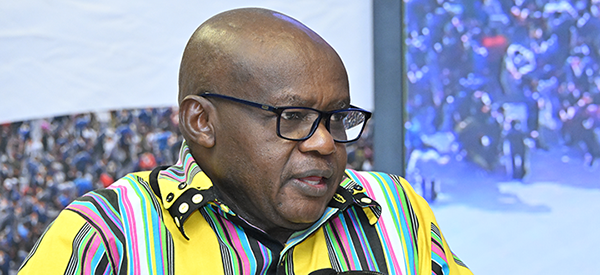
Dr Azwinndini Tshivhase
"In countries like Japan and South Korea, among others, they teach in their mother languages," he said. "Globally, it is only 40% of the population that has access to education in their mother tongues."
Tshivhase further urged students to embrace and speak their home languages more often, explaining that they are closely linked to their identities. "Most of those who disassociate themselves from their mother tongues struggle with an identity crisis," he argued. "Language is a vehicle to humanity and wellbeing."
Delivering the keynote address, Prof Dion Nkomo of the School of Languages and Literatures: African Languages Studies at Rhodes University, applauded DLS for the perfect IMLD theme, highlighting its significance for the South African context when considering the similarities between the Bengali Language Movement on 21 February 1952 and the Soweto Uprising on 16 June 1976.
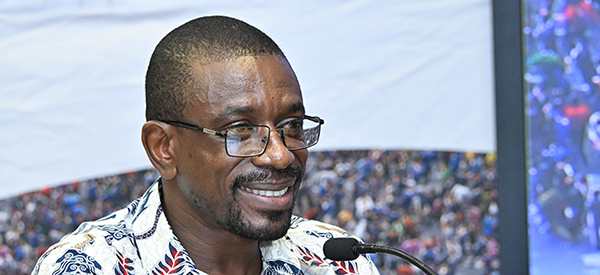
Prof Dion Nkomo
Nkomo noted the journey South Africa has travelled from the language imperialism of Afrikaans during the apartheid era to the constitutional multilingualism that we now celebrate, stating the milestones achieved and the challenges that still confront us, such as the language question, which addresses inequality and constitutional multilingualism, among others.
"I urge you to celebrate the privileges that we have today; however, we still reflect on the work that needs to be done," he said.
Nkomo further indicated that the current constitution advocates language policy imperatives that promote linguistic diversity by recognising South Africa’s 12 official languages, linguistic parity of esteem that ensures languages are developed and used, and linguistic rights that allow citizens to use their mother languages in the country freely.
Nkomo emphasised the role of constitutional multilingualism in basic and higher education, and beyond education. "Language policy objectives in basic education ensure the maintenance of home languages to preserve them, while providing access to and the effective acquisition of additional languages, promoting social cohesion," he said.
In addition, he reiterated that each higher education institution must have its own language policies that comply with multilingualism. "Unisa is the biggest champion of multilingualism as it has embraced all the 12 official languages of South Africa," he stated.
Beyond education, he expressed: "Our linguistic heritage needs to be celebrated, even in the most prestigious spaces, not just as markers of our cultures, but also as means to access resources, capital and employment."
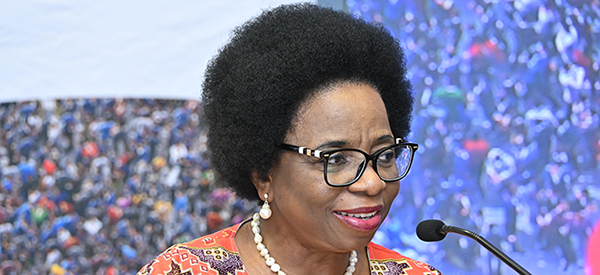
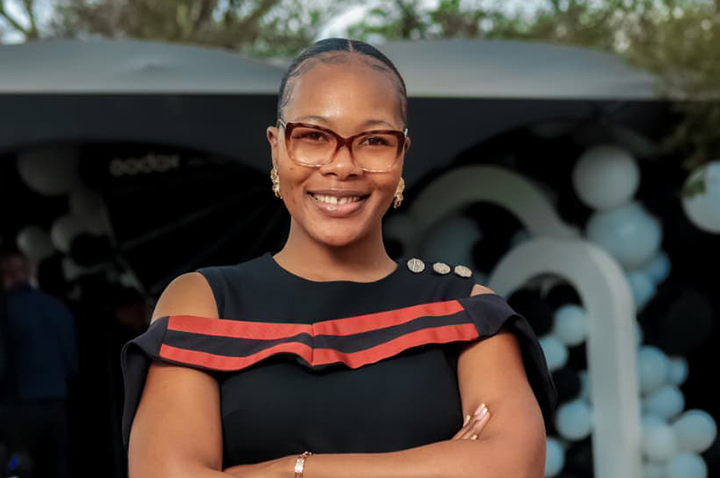
Prof Meahabo Magano
Leaders from various Unisa directorates and the Student Representative Council, and strategic partners from Africa and the globe, offered messages of support to the Department of Tuition Support and Facilitation of Learning, led by its Executive Director, Prof Meahabo Magano, praising it for its commitment to multilingualism and raising concerns about the curriculum transformation.
* By Victor Malatji, Journalist Intern, Department of Institutional Advancement
** Photography by Shooheima Champion, Multimedia Centre
Publish date: 2026-02-25 00:00:00.0
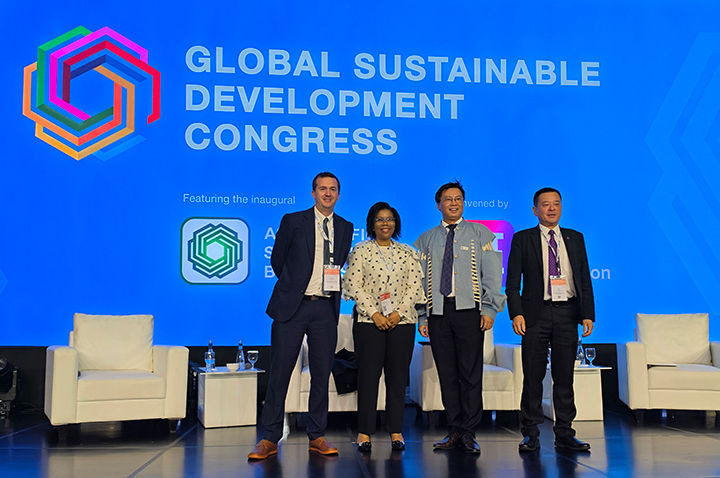 Prof LenkaBula brings African scholarship and women's leadership to global sustainability dialogue
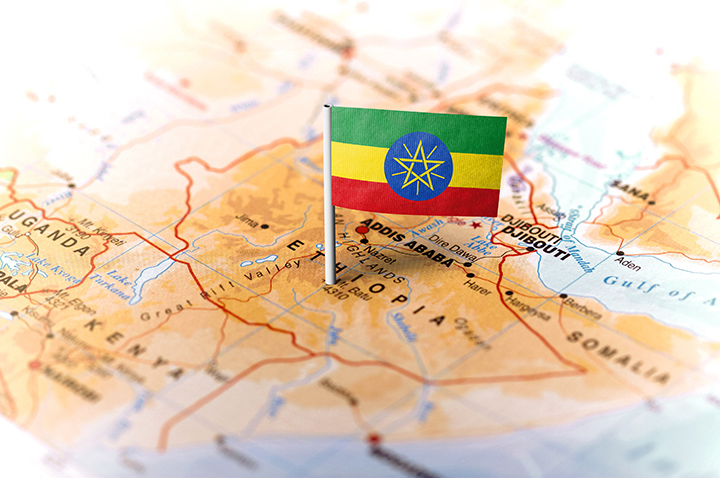 Unisa welcomes new Ethiopian postgraduates and hosts experience-sharing session
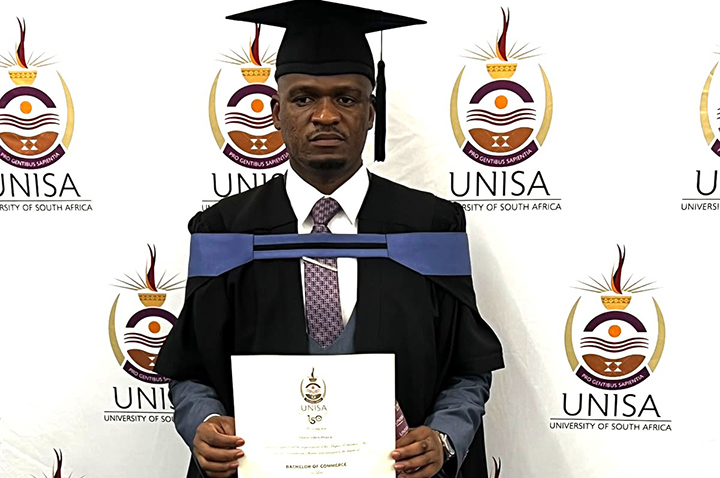 Completing study tasks early reduces last-minute pressure, says RSRC graduate
 Outgoing Limpopo RSRC members lead by example
 Resilience beyond the finish line