

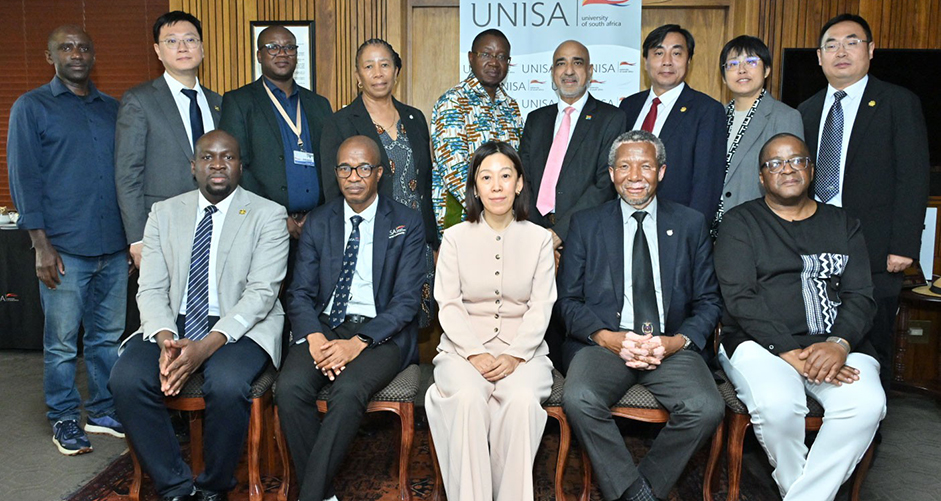
A new five-year partnership between Unisa and China's Harbin Institute of Technology will create opportunities for joint research, academic exchanges and collaboration in science, engineering and technology.
The University of South Africa (Unisa) has entered into a five-year academic partnership with China's Harbin Institute of Technology (HIT), opening opportunities for joint research, academic exchanges and collaboration in science, engineering and technology.
The agreement is intended to strengthen cooperation between the two institutions through joint research projects, faculty and student exchanges, academic conferences, co-authored publications and the sharing of knowledge and expertise.
At the heart of the partnership is an opportunity for researchers and postgraduate students from both institutions to work together on areas of shared academic and strategic interest.
Prof Bhekie Mamba of Unisa's College of Science, Engineering and Technology said the agreement could create new opportunities for researchers and postgraduate students to establish international research networks.
"This initiative opens doors for researchers and postgraduate students to establish strategic alliances," Prof Mamba said.
He highlighted joint conferences, co-authored research papers and the exchange of expertise in commercialisation and innovation as areas that could strengthen cooperation between the institutions.
The partnership also provides a platform for researchers to combine expertise and resources on projects of mutual interest, while giving students and academics opportunities to gain international research and academic experience.
The agreement builds on existing areas of academic cooperation between Unisa and HIT, with science, engineering and technology identified as important areas for further collaboration.
Energy and water management are among the fields in which the institutions see potential for joint work.
The collaboration comes as both institutions seek to strengthen their contribution to research and innovation in areas with wider societal and developmental relevance.
Unisa Vice-Principal: Institutional Development, Prof Solomon Magano, welcomed the HIT delegation during the formalisation of the agreement and highlighted the foundations already established for cooperation in science, engineering and technology.
The partnership is expected to support collaboration at both undergraduate and postgraduate levels, although specific projects and exchange activities will be developed through the implementation of the agreement.
The agreement establishes a framework governing the institutions’ collaboration, including provisions relating to research, intellectual property, confidentiality and the potential commercialisation of research outputs.
Intellectual property and confidential information arising from collaborative activities will be managed in accordance with the respective policies of Unisa and HIT.
The agreement also sets out mechanisms for resolving disputes between the parties and will remain in force for five years, subject to the provisions for renewal contained in the agreement.
Both institutions have further committed to principles associated with the United Nations Global Compact, including respect for human rights, labour standards and environmental responsibility.
For Unisa, the partnership adds another dimension to its international academic engagement and creates a framework through which researchers, academics and students can develop connections with a major Chinese higher education institution.
The collaboration also reflects the growing importance of international partnerships in expanding research networks, supporting knowledge exchange and creating opportunities for academics and students to engage across different institutional and national contexts.
The success of the partnership will ultimately depend on how the framework is translated into concrete research projects, exchanges, publications and innovation initiatives over the five years.
* By Sipho Jack, Journalist, Department of Institutional Advancement
Publish date: 2026-09-29 00:00:00.0

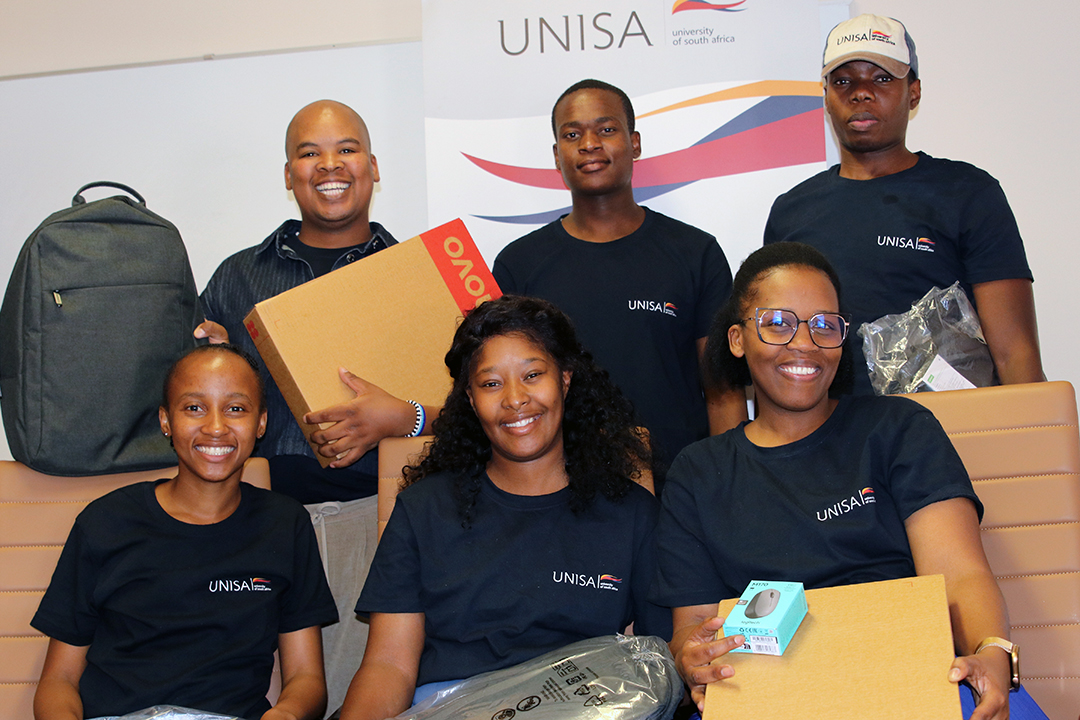 Unisa hackathon winners develop AI solution to support students at risk of falling behind
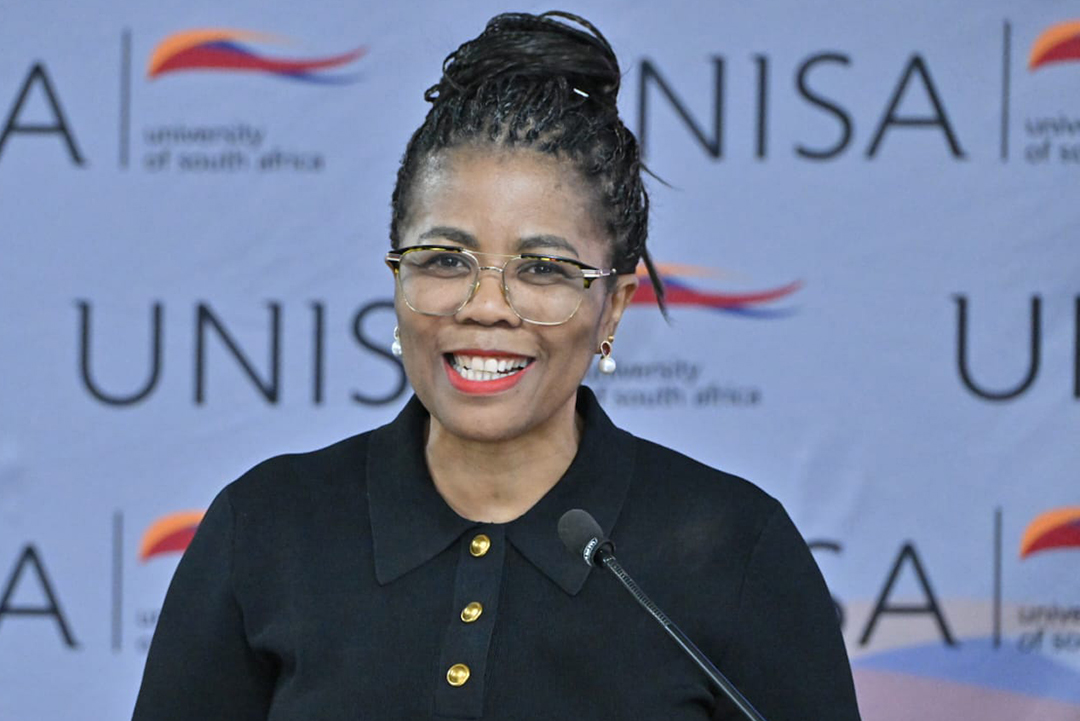 Beyond Black Wednesday: Unisa lecture calls for urgent action to protect media freedom and public broadcasting
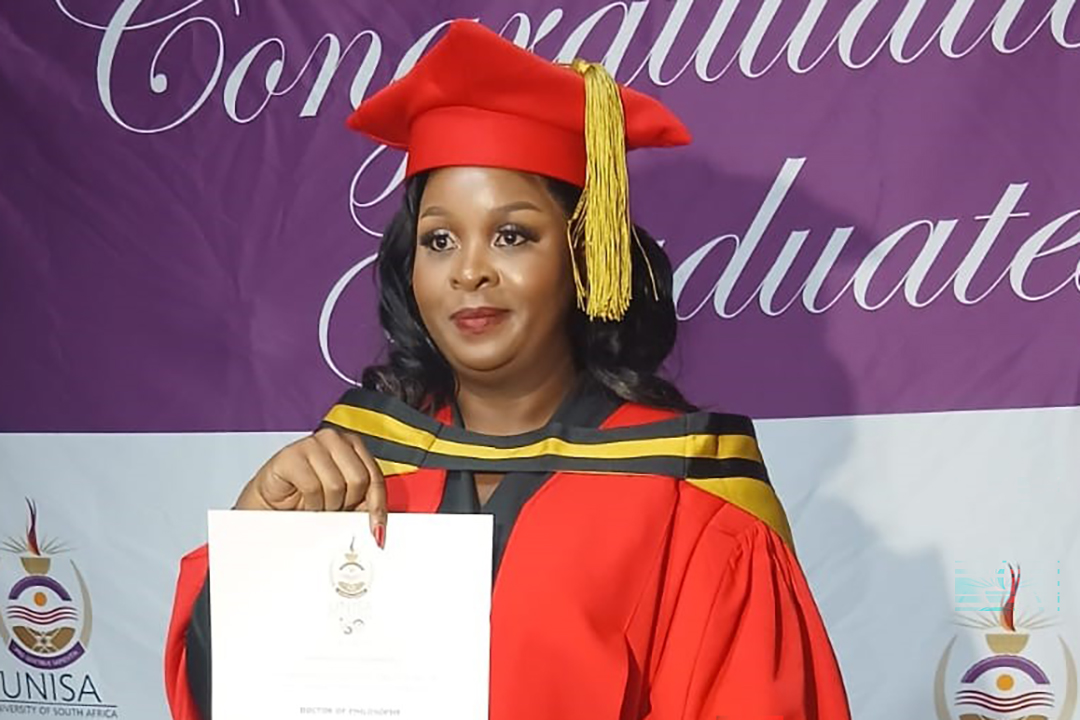 Unisa celebrates 25 new PhD graduates advancing research and innovation
 From Maramanzhi to master's: Unisa graduate champions Tshivenda through scholarship
 Unisa students help shape digital complaints system to improve accountability and service delivery