

On 6 and 7 September 2023, the Unisa Western Cape Region hosted its 9th annual Academic Development Symposium. The theme of this year’s symposium was "Sustainable development in communities: Supporting entrepreneurial initiative through capacity building and community engagement".
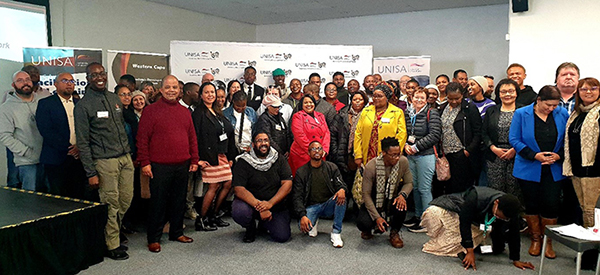
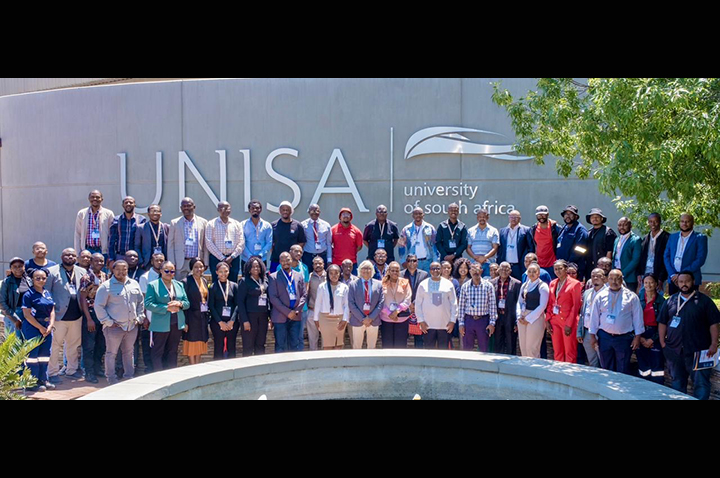
Symposium presenters and attendees
As part of this year’s event, an inter-institutional space was provided for teaching and learning practitioners, post-schooling stakeholders and communities to interact and share common concerns and solutions regarding entrepreneurship through presentations and workshops.
In selecting this year’s theme, it was key to align the vision of the symposium to the four Unisa institutional strategic focus areas, and to include exploring partnerships with technical and vocational education and training (TVET) colleges and community-based practitioners as a space for collaborative reflection, particularly as new and innovative educational paradigms begin to emerge across co-curricular entrepreneurial offerings.
This year's theme would also include diverse perspectives to explore and unpack personal and practical solutions to South Africa's unique entrepreneurial challenges. These include unemployment, limited access to start-up capital, ways to address skills gaps in the market, and socioeconomic constraints that might inhibit entrepreneurial success.
Michelle-Heidi Frauendorf, the current Acting Regional Director of Unisa’s Western Cape Region, opened the event, emphasising the importance of innovation, resilience and problem-solving as key skills for initiating, maintaining and sustaining successful service learning and community initiatives. "Universities," she said, "should be change agents, and by providing credible resources and mentorship opportunities, graduates can enter the field of entrepreneurship, thereby opening the door to much larger opportunities and inspiring their peers, mentors, investors and customers."
Prof Monde Ntwasa (Unisa), Dr Tercia Terblanche (South Cape TVET College) and Prof Annemarie Davis (Unisa) were among the keynote speakers at this year’s symposium. Sello Selelo, Mokopane Marakalala, Dr Dumisani Mabunda and Prof Godfrey Thenga (all from the College of Law, Unisa), Wilmi Dippenaar (The Seven Passes Initiative), Ray Carstens (SUFF Academy), Mongezi Mbebe (Stellenbosch University Business School) and Dr Sweta Panaik and Shaamil Isaacs (Cape Peninsula University of Technology), and the Inhlanyelo Hub concluded the list of presenters over the two days.
Throughout the presentations, various thematic connections were made, as outlined by the presenters. This year's presentations highlighted the importance of entrepreneurship and the skill initiatives necessary to steer distinct development and monitoring goals to produce effective and sustainable pathways for promoting positive social and environmental change.
The symposium was linked to previous academic development symposia, including the significance of responsive curricula, entrepreneurship education, incubators and accelerators, research and innovation, and networking opportunities.
Reflections from non-profit organisations revealed how the attitudes, motivation, values and presence of post-schooling institutions can create pillars of excellence in rural communities.
During the second day of the symposium, the Inhlanyelo Hub facilitated a workshop titled "Fostering creativity and innovation" for all attendees. This workshop placed emphasis on how creativity, innovation and networking can intersect with lifelong opportunities to transform ways of "knowing" into a sustainable practice. Both in-person and online groups participated in their activities as they ease the most complex understanding of creativity and innovation in business.
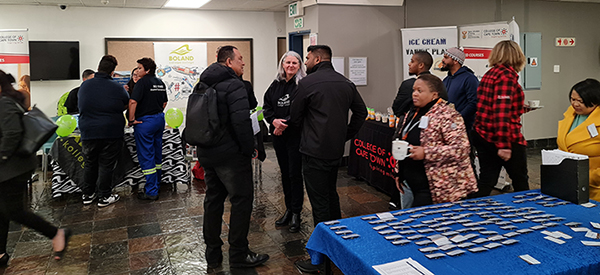
Entrepreneurs exhibiting their work
Exhibitors from universities, TVET colleges and the local communities exhibited their products, which attracted significant attention among symposium participants. These exhibitors comprised entrepreneurs specialising in African attire, hair products, building works, confectionary and condiments, and home-made electronics and converters.
Sonja Barnard, Head of Counselling and Career Development, closed the event, again highlighting the importance of shared innovation and how adaptive practices in the field of entrepreneurship, community engagement and social impact can positively address social challenges and unemployment. Moreover, she highlighted that such spaces for conversation are important as they share both academic and practical perspectives on how to improve the economic prospects and general welfare of South African youth.
* By Jacques du Toit, Regional Academic Co-ordinator, Unisa Western Cape Region
Publish date: 2023-10-13 00:00:00.0

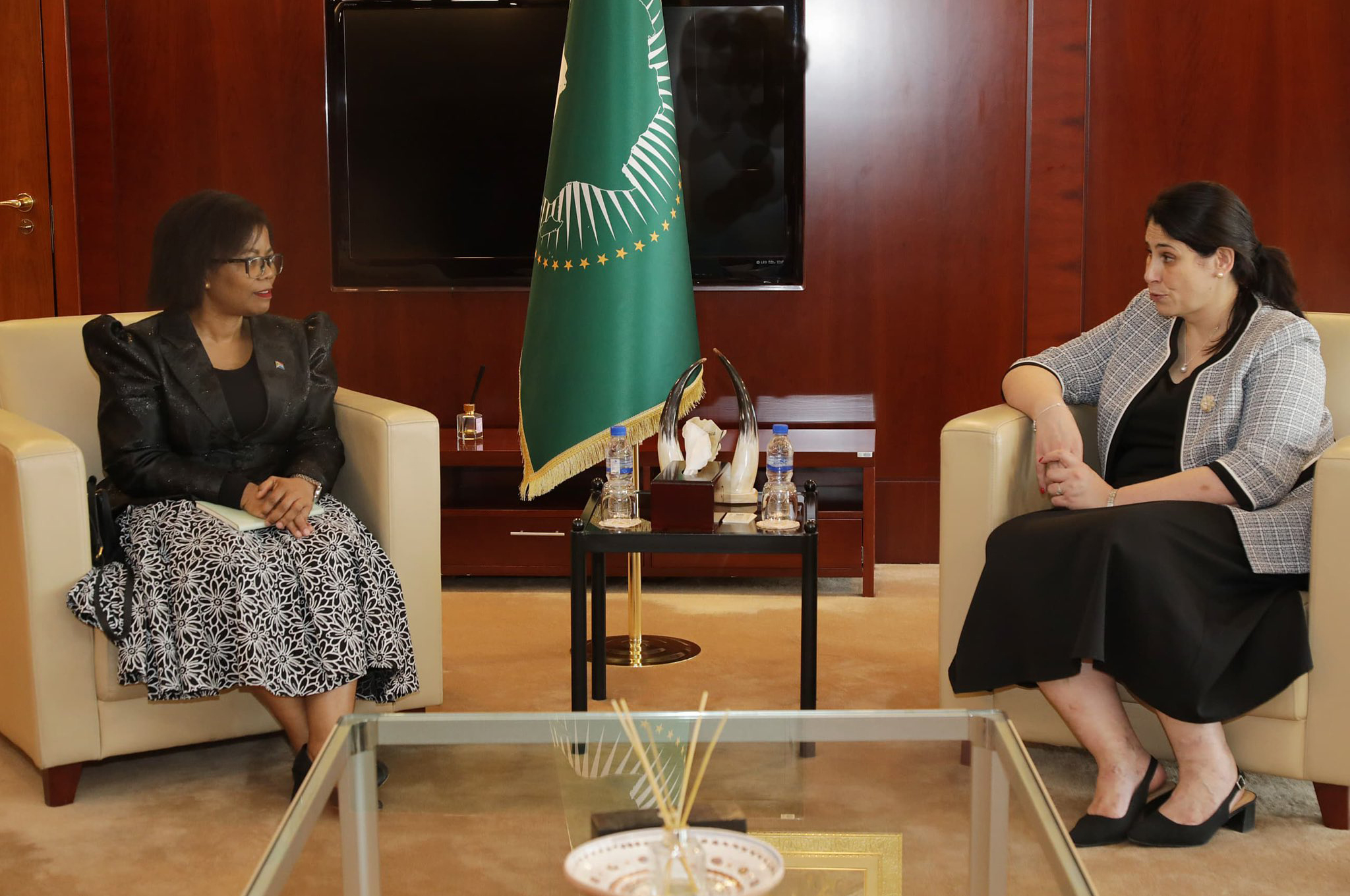 Unisa and the African Union reaffirm strategic partnership
 Celebrating a university on the rise
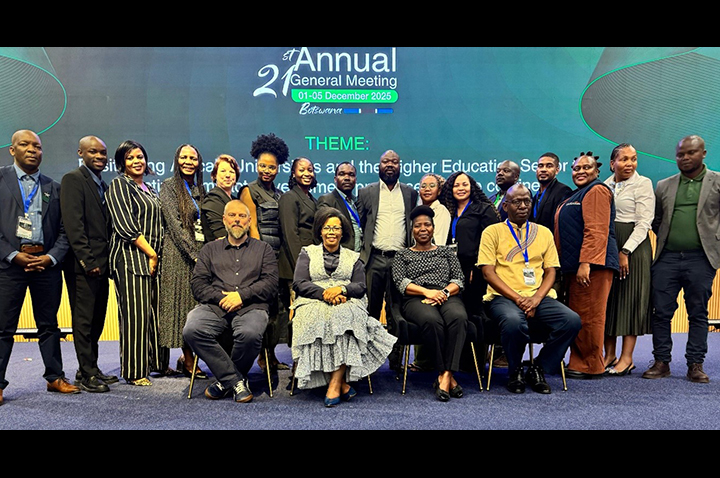 Reimagining African universities: Unisa at the RUFORUM Continental Summit
 Unisa hosts international experts at applied research conference
 Unisa celebrates twelfth graduation ceremony in Ethiopia