

The University of South Africa (Unisa) concluded its final Senate meeting of 2026 on 28 October, reflecting on a year marked by improved international university rankings, recognition of its researchers, and significant achievements in teaching and learning.
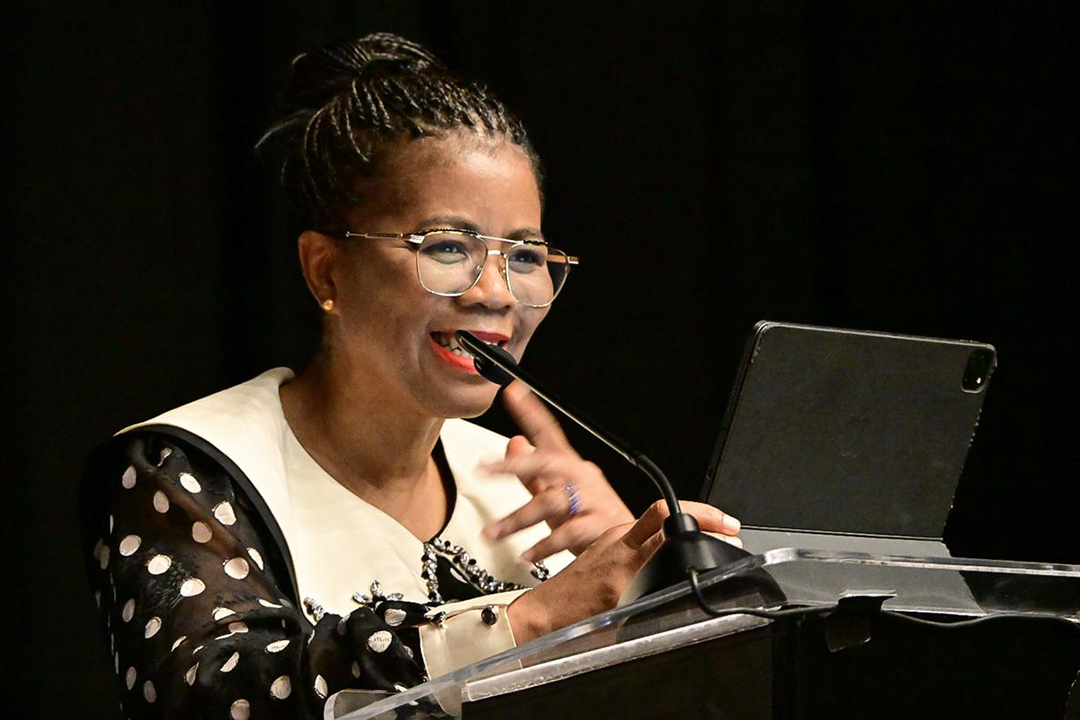
Chaired by Unisa Principal and Vice-Chancellor Prof Puleng LenkaBula, the meeting provided an opportunity to review the university's academic performance and acknowledge the contributions of Senate members to advancing the institution's academic mandate. As one of Unisa's principal academic governance structures, Senate plays a central role in overseeing teaching, learning and research, safeguarding academic standards and supporting the university's continued development as a leading comprehensive open distance e-learning institution. Addressing Senate members, LenkaBula expressed appreciation for their dedication and contributions throughout the year, highlighting the university's improved performance in the 2027 Times Higher Education (THE) World University Rankings.
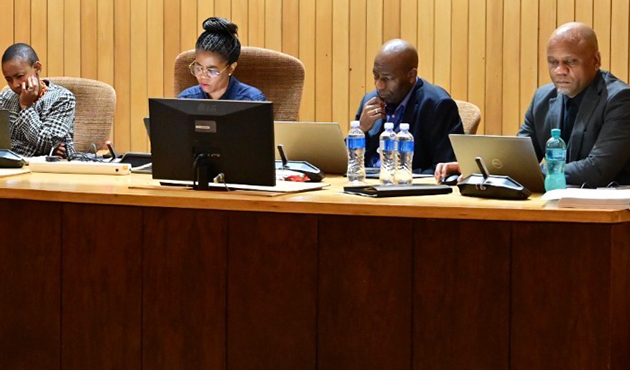
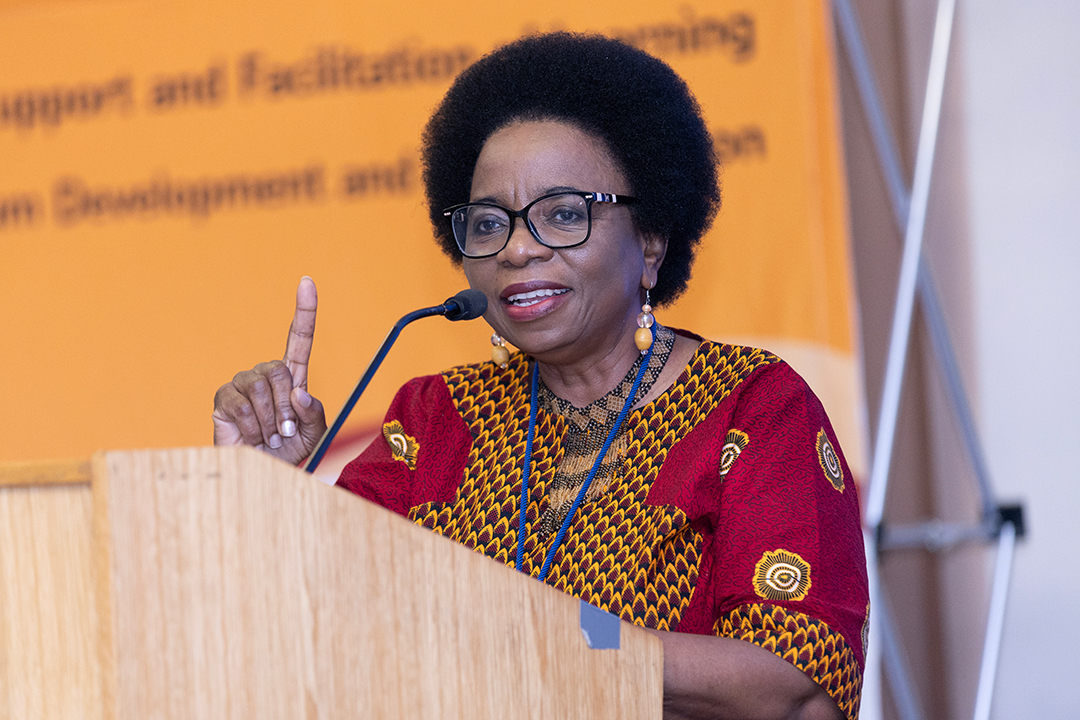
Unisa Principal and Vice-Chancellor Prof Puleng LenkaBula chairs the university's final Senate meeting of 2026, reflecting on achievements in academic performance, research and international rankings.
Released in September 2026, the rankings placed Unisa in the 1 201–1 400 global band, up from the 1 201–1 500 band. The university also advanced nationally, moving from joint 10th to joint 9th position among South African universities. This improvement came amid increased competition, with the number of South African institutions represented in the rankings growing from 13 in 2026 to 17 in 2027. THE evaluates universities across five performance areas: teaching, research environment, research quality, international outlook and industry engagement.
Unisa recorded its strongest performance in the research environment category, highlighting the institution's continued investment in strengthening its research capacity and academic scholarship. Notably, Unisa was also the only African institution among the six open distance e-learning universities featured in the rankings, reinforcing its contribution to expanding access to higher education through flexible learning opportunities. The university's research achievements were further recognised in the 2027 AD Scientific Index rankings, which placed eight Unisa academics among Africa's top 100 education researchers. Among them, Prof Paul Prinsloo was ranked third in Africa and second in South Africa, reflecting the international recognition of research undertaken at the university.
LenkaBula attributed these achievements to the collective efforts of the academic community and the role of Senate in guiding institutional academic priorities. "Unisa also had the second highest number of researchers represented on the continental list because of the work and decisions taken in Senate," she said. The recognition of eight academics on the continental list reflects the depth of Unisa's research expertise and its contribution to advancing knowledge in education.
It also reinforces the university's commitment to producing research that informs teaching practices, strengthens higher education and contributes to addressing educational challenges in South Africa and across the continent. Another significant achievement highlighted during the meeting was the number of qualifications awarded during Unisa's 2026 graduation seasons. The university conferred 44 712 qualifications during its Autumn Graduations and more than 16 900 during the Spring Graduation season, bringing the combined total to more than 61 600 qualifications.
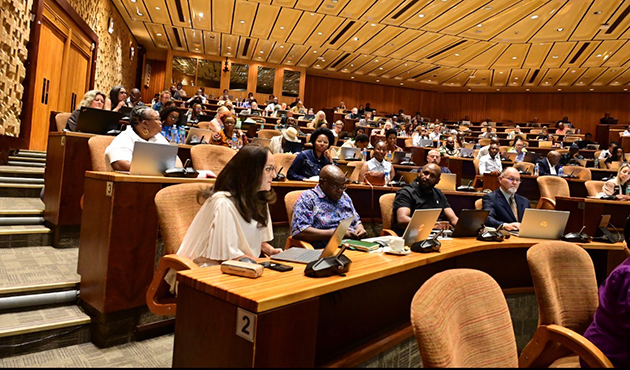
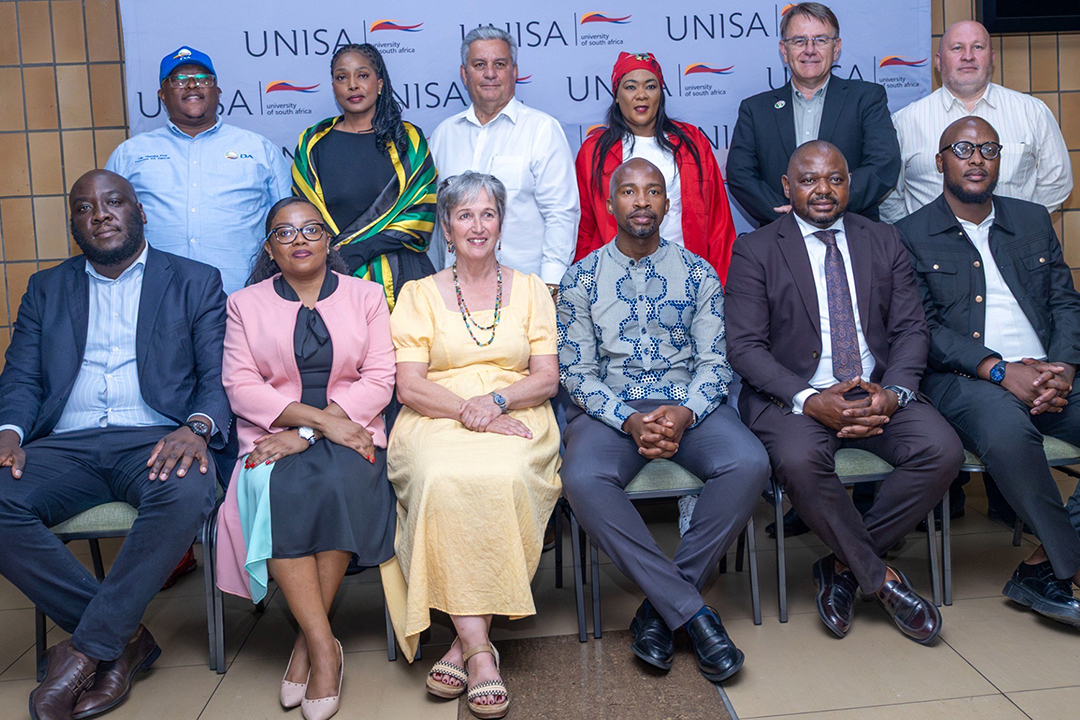
Members of Unisa Senate attend the final meeting of 2026 at the Muckleneuk Campus, where the university's academic and research achievements were highlighted.
These figures demonstrate Unisa's important role in expanding access to higher education and contributing to the development of skilled graduates across different fields. For many graduates, obtaining a qualification represents an opportunity to advance professionally, improve their economic prospects and contribute meaningfully to their communities. The university's graduation achievements also support the objectives of South Africa's National Development Plan 2030, which recognises education and skills development as essential to economic growth, employment creation and reducing inequality.
They further contribute to Sustainable Development Goal (SDG) 4, which promotes inclusive and equitable quality education and lifelong learning opportunities. As Senate concluded its work for 2026, the meeting reaffirmed the importance of effective academic governance in sustaining institutional progress. Through its oversight responsibilities, Senate contributes to the quality and integrity of Unisa's academic programmes, research activities and teaching and learning practices.
Its work also supports the university's broader commitment to academic excellence, innovation and socially responsive scholarship. The achievements highlighted by LenkaBula reflect the combined contributions of academics, researchers, professional and administrative staff, and the university’s governance structures. With preparations for the 2027 academic year underway, Senate's focus will remain on strengthening academic standards, advancing research and supporting teaching and learning across the institution.
The final meeting provided an opportunity not only to celebrate Unisa's achievements, but also to reaffirm the university's commitment to delivering quality higher education, producing impactful research and contributing to national and continental development.
*By Noxolo Miya, Journalist, Department of Institutional Advancement
Publish date: 2026-10-30 00:00:00.0

 Unisa calls for ocean science that protects ecosystems and transforms coastal communities
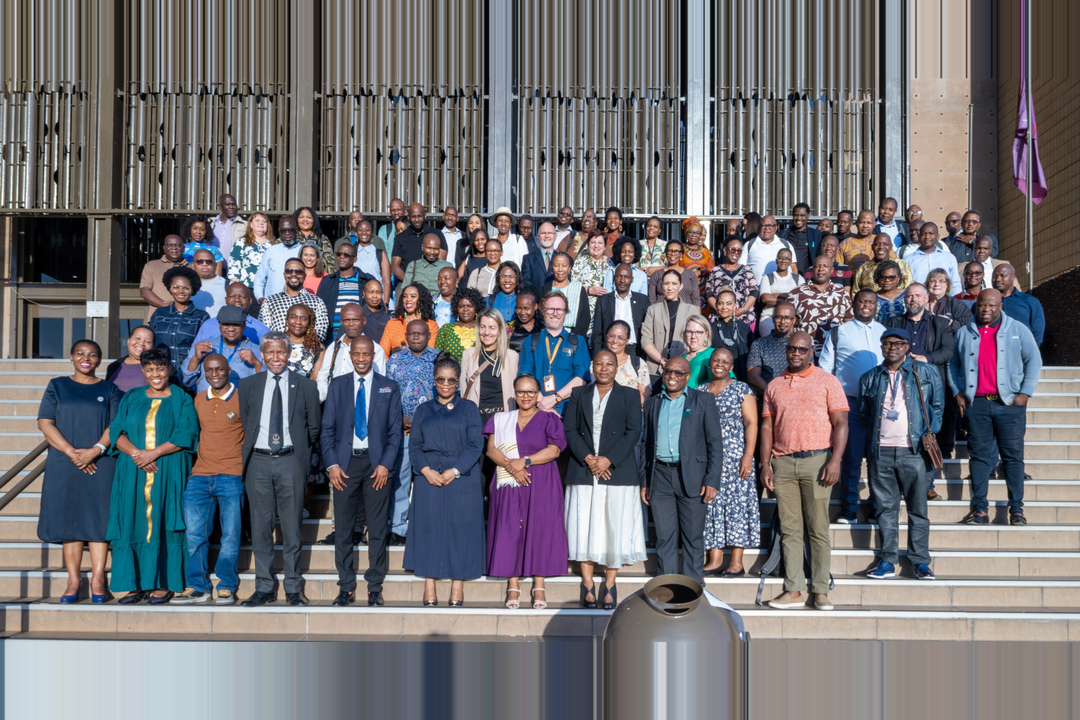 Unisa Senate closes 2026 on a high note as university celebrates academic and research achievements
 Unisa's Prof Meahabo Magano appointed to Umalusi Qualifications Standards Committee
 Tshwane mayoral candidates outline plans to restore services at Unisa Election Debate
 Unisa champions indigenous knowledge as a powerful force against poverty and inequality