

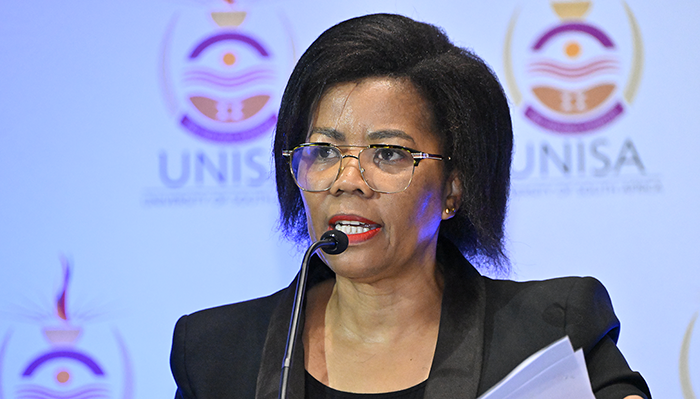
Prof Puleng LenkaBula, Unisa Principal and Vice-Chancellor, delivering her opening address
On 2 July 2026, Unisa’s Principal and Vice-Chancellor's Summit opened with a compelling call for courageous, ethical and future-focused leadership, as delegates were challenged to confront institutional realities, embrace innovation and collectively shape the university's next chapter. The summit is taking place at the Radisson Hotel and Convention Centre until 4 July.
Held under the theme "Propelling Unisa towards enhanced local and global performance through critical interrogation", the summit brings together members of the university's management committee, executive leadership, deans, directors, heads of department, scholars and invited experts to reflect on the institution's strategic priorities and its role in advancing higher education in South Africa, the continent and beyond.
Hosted by the office of Unisa’s Principal and Vice-Chancellor (VC), Prof Puleng LenkaBula, the annual summit serves as the university's flagship platform for institutional governance and strategic oversight. It provides an opportunity for leaders across all portfolios to reflect on institutional performance, strengthen accountability and accelerate the implementation of strategic priorities.
The summit is anchored in Unisa's enduring academic project under the theme "Reclaiming Africa's Intellectual Futures into the Next 150 Years and Beyond". The theme reaffirms the university's commitment to advancing African scholarship, shaping knowledge production, and strengthening its position as a transformative institution with continental and global relevance.
This year's summit builds on the resolutions adopted during the February 2026 Principal and Vice-Chancellor’s Lekgotla, where recommendations were made to strengthen governance, academic delivery, research, digital transformation, finance, institutional culture, student support and operational efficiency.
Taking place as Unisa enters the final phase of its Revised Unisa 2030 Strategy (2026–2030), themed "Serving with Impact", the summit will review implementation progress, identify challenges affecting delivery, and reinforce alignment between strategy, planning and institutional performance. The outcomes of the discussions are expected to contribute to the development of the long-term Unisa 2065 Strategy.
The purpose of the Principal and Vice-Chancellor’s Summit includes:
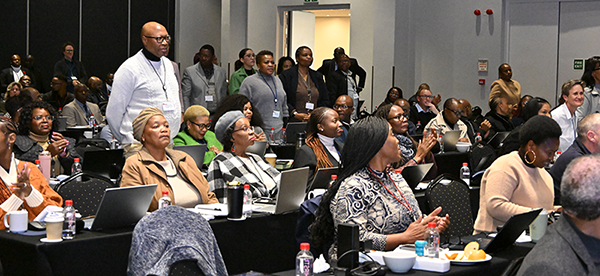
Delegates at the Principal and Vice-Chancellor's Summit
In her opening address, entitled "Unisa of the Future", the VC expressed her appreciation to the summit organisers, management, academic leaders and professional support staff whose collective efforts continue to strengthen the university. She also acknowledged the contribution of young academics, describing intergenerational engagement as vital to sustaining academic excellence and institutional renewal.
LenkaBula emphasised that the summit should not be viewed as a routine gathering, but as an opportunity for honest reflection and decisive action. "We must not mistake progress for arrival," she remarked, urging university leaders to confront the 'elephants in the room' with courage and integrity.
She challenged delegates to examine the complex questions confronting higher education, including student success, financial sustainability, governance, institutional culture, digital transformation, research productivity and accountability. These, she said, demand collective intellectual labour and bold leadership if Unisa is to remain relevant in an increasingly complex and rapidly changing world.
Central to her address was the conviction that universities must produce knowledge that serves society. The VC called on academics and researchers to ensure that their work responds to Africa's pressing developmental challenges while contributing meaningfully to global scholarship.
"How do we produce knowledge that serves our people?" she asked, encouraging participants to position Unisa as a leading African university that advances an African intellectual renaissance while maintaining global relevance.
She stressed that research should extend beyond publication metrics to address issues such as inequality, climate change, technological transformation and sustainable development. Equally important, she said, was ensuring that students are not only admitted to the university but are adequately supported to succeed academically.
LenkaBula reaffirmed the importance of accountability across every level of the institution. She reminded leaders that stewardship requires responsible management of resources, adherence to governance principles and a shared commitment to delivering on the university's strategic objectives.
Whilst acknowledging significant institutional achievements, including strengthened governance, improved audit outcomes and Unisa's continued leadership in doctoral education, the VC cautioned against complacency. Drawing on the words of former President Nelson Mandela, she reminded delegates that every achievement presents new responsibilities and further opportunities for growth.
This year's summit also turned its attention to one of the defining challenges of the digital era through a keynote presentation by cybersecurity specialist Hendrik de Bruin, titled "The Effects of Digitalisation and AI on Cyber Risk". De Bruin examined how rapid digital transformation, and the widespread adoption of artificial intelligence (AI) are fundamentally reshaping the cybersecurity landscape for higher education institutions.
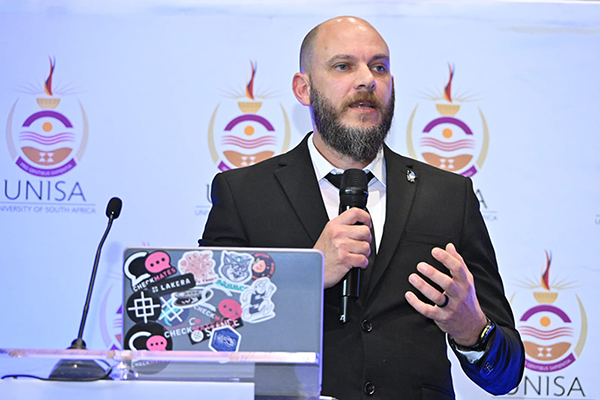
Keynote speaker, cybersecurity specialist Hendrik de Bruin
He noted that universities have become attractive targets for cybercriminals because they house valuable intellectual property, world-class research, sensitive personal information and complex digital infrastructures. "As institutions accelerate digitalisation, they simultaneously expand their cyber risk," he explained.
According to De Bruin, artificial intelligence has significantly changed the nature of cyber threats by enabling attackers to automate phishing campaigns, identify vulnerabilities more rapidly and create increasingly convincing fraudulent communications through technologies such as deepfakes and voice cloning. He warned that phishing e-mails generated by AI are now considerably more sophisticated than traditional scams, making them far more difficult for users to identify.
The presentation highlighted the growing prevalence of ransomware attacks, credential theft and data breaches affecting tertiary institutions globally and within Southern Africa. Such attacks, De Bruin cautioned, not only disrupt university operations but also threaten institutional reputation, research integrity and public trust. De Bruin stressed that though AI offers enormous opportunities to improve productivity and strengthen cyber defence, organisations must adopt the technology responsibly.
He identified one of the greatest emerging risks as the unintended exposure of sensitive institutional information through publicly available AI platforms. Uploading confidential research, student information or internal documents to external AI applications, he explained, may create significant privacy and regulatory risks if appropriate governance mechanisms are not in place.
To strengthen institutional resilience, De Bruin proposed several strategic interventions, including the development of comprehensive AI governance frameworks, acceptable-use policies, AI asset inventories and robust data classification practices. He further encouraged universities to invest in cybersecurity awareness and continuous staff education, noting that human behaviour remains one of the most significant factors influencing cyber resilience. He concluded that cybersecurity is no longer solely an information technology concern but a strategic leadership responsibility that requires collaboration across every level of the institution.
Collectively, the presentations reinforced the summit's central message: that Unisa's future depends on courageous leadership, critical self-reflection and a willingness to embrace transformation while safeguarding the institution's academic mission.
As discussions continue during the three-day summit, delegates are expected to translate conversations into practical actions that will strengthen governance, advance research excellence, improve student success and position Unisa as a digitally resilient, globally competitive and distinctly African university.
* By Lesego Chiloane, Journalist, Department of Institutional Advancement
** Photography by Shooheima Champion, Multimedia Centre
Publish date: 2026-07-02 00:00:00.0

 Reclaiming African heritage through geographical names
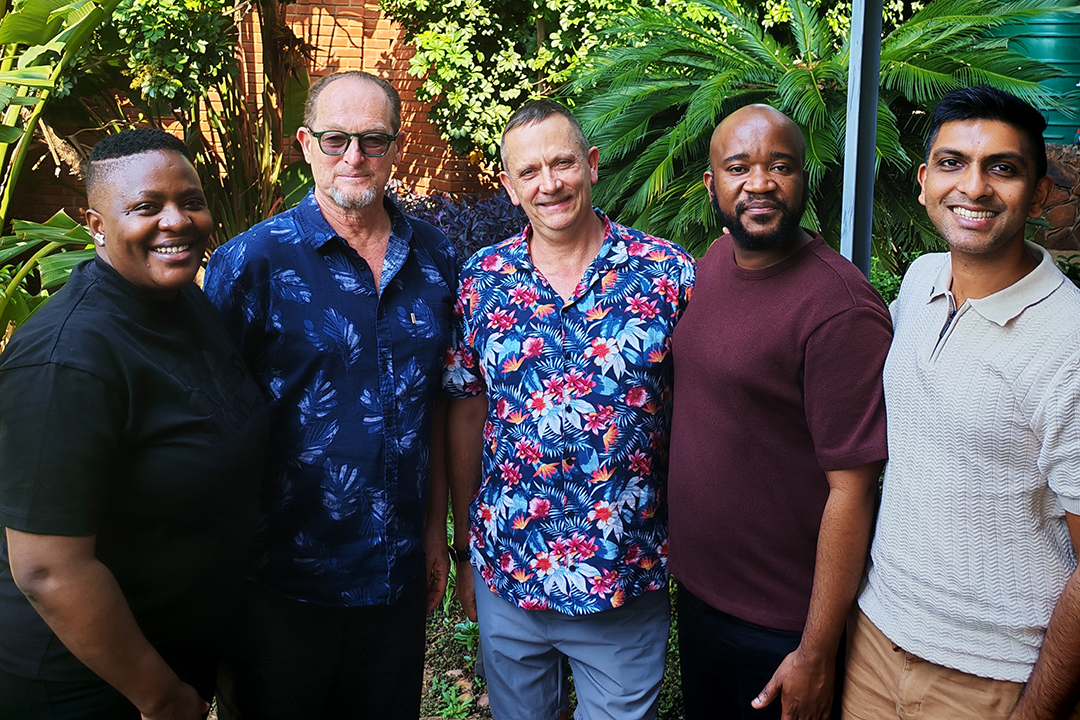 From research to real-world impact: Unisa-linked project explores new ways to advance LGBTQIA+ rights
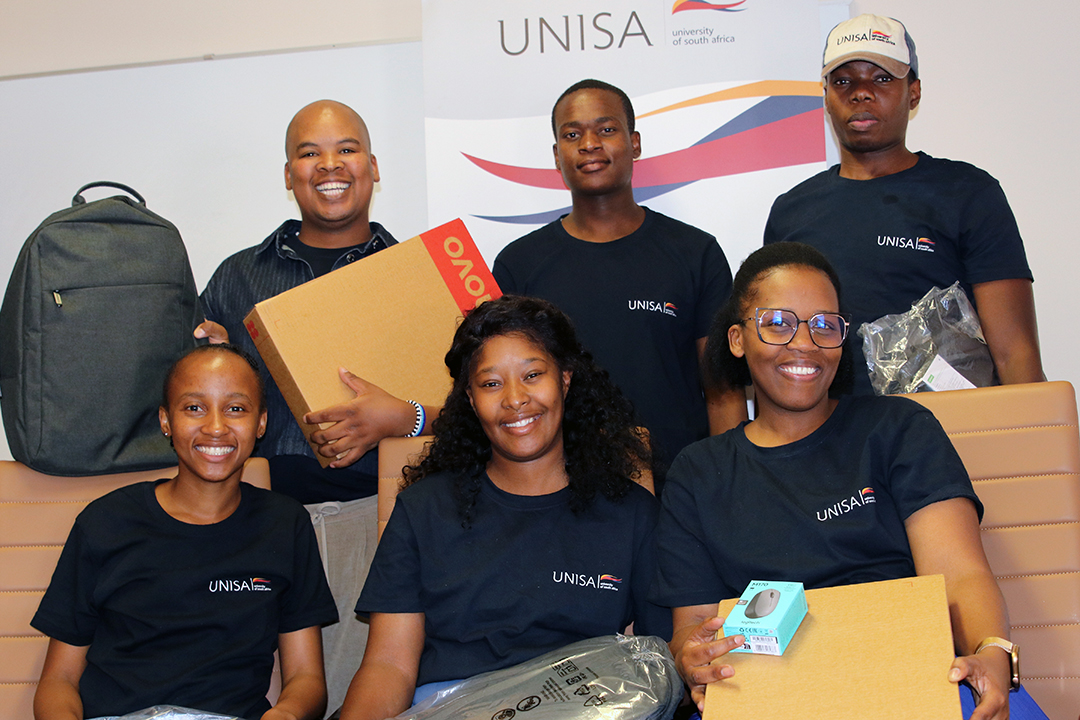 Unisa hackathon winners develop AI solution to support students at risk of falling behind
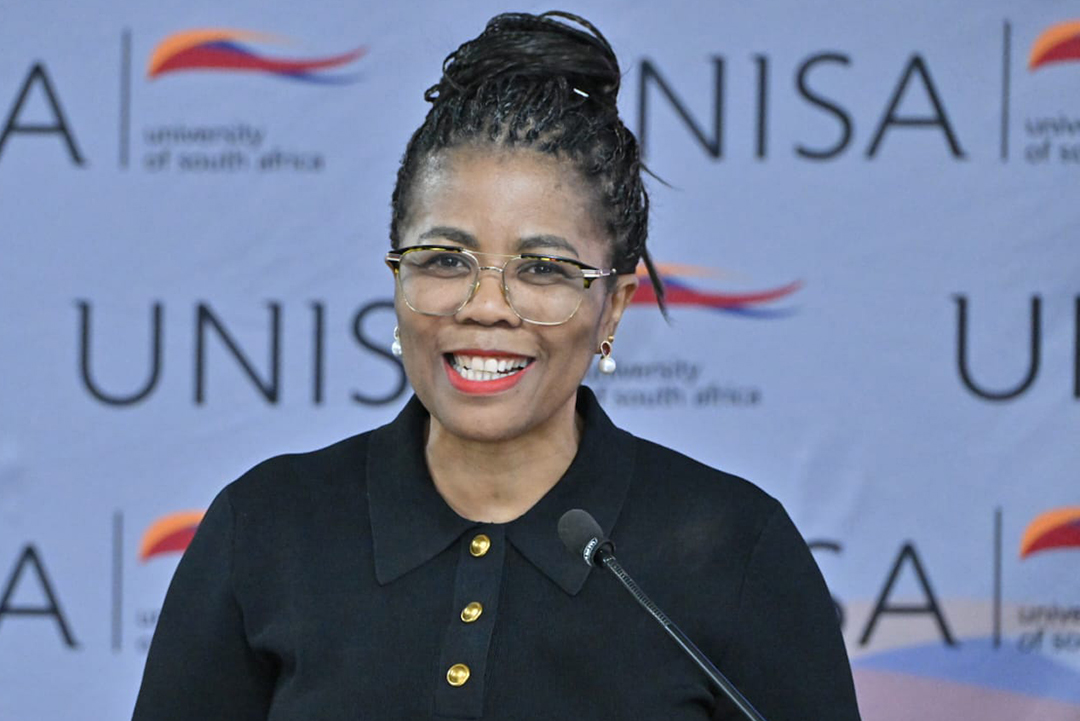 Beyond Black Wednesday: Unisa lecture calls for urgent action to protect media freedom and public broadcasting
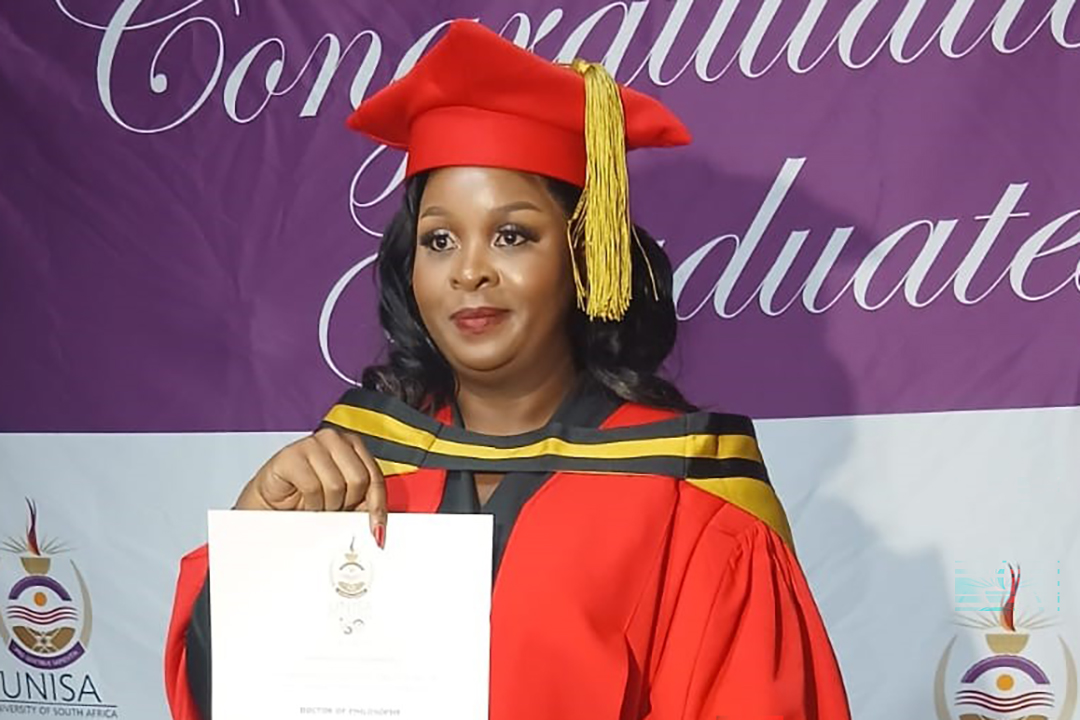 Unisa celebrates 25 new PhD graduates advancing research and innovation