

The African college of excellence in the social and human sciences
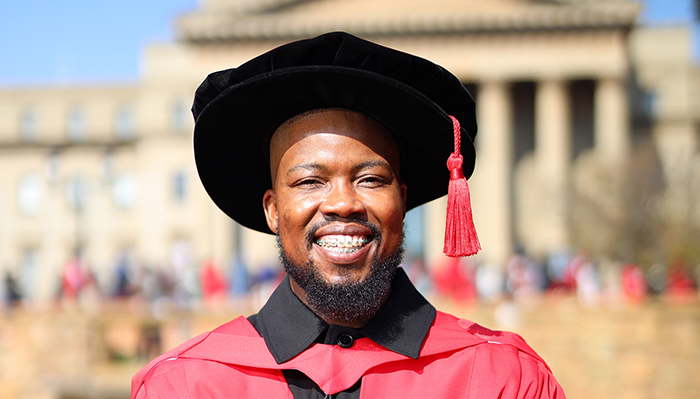
Dr Otshepeng Moletsane
As a young man growing up in Zeerust, Ikageleng Location, Northwest Province of South Africa, Dr Otshepeng Moletsane developed a deep appreciation for the Setswana language and culture from an early age.
His passion for the Setswana language and the desire to contribute meaningfully to its development inspired him to further his education. "I have always believed that African languages possess immense intellectual, cultural and academic value that deserves greater recognition," he says. "Pursuing advanced studies allowed me to contribute to knowledge production, language preservation and the empowerment of future generations through education and research."
Moletsane is a Setswana Lecturer in the Department of African Languages at Unisa’s College of Human Sciences. He holds a BA in Communications and a BA Honours in Setswana from North-West University, as well as a master's degree in African Languages with a focus on Setswana from Unisa. Recently, he completed his doctoral studies in Language, Linguistics and Literature at the University of the Witwatersrand, specialising in Setswana language studies.
Moletsane says his research title was motivated by the need to revisit and critically examine Sol T. Plaatje's collection of Setswana proverbs, one of the earliest documented works on Setswana oral literature. He further explains that, while the collection remains an important cultural resource, many contemporary readers struggle to understand the proverbs due to historical orthographic conventions and translation choices. Hence, he sought to linguistically deconstruct the proverbs, reconstruct them in standardised Setswana and explore their deeper cultural, linguistic and historical significance.
Moletsane says that by providing a framework for the critical analysis of historical texts, he hopes his research will contribute to the preservation, revitalisation, and advancement of Setswana language scholarship. He adds, "I also hope that it will support ongoing decolonisation efforts in African language studies and inspire future researchers to explore African languages through innovative and contextually relevant approaches."
He says his future academic plans include continuing research on Setswana language development, indigenous knowledge systems and language standardisation. He also intends to contribute to curriculum development in African language studies. “Ultimately, I aspire to become a leading scholar in Setswana linguistics and contribute to the broader advancement of African language scholarship both nationally and internationally,” he says.
He expresses his sincere gratitude to his supervisor, Dr Kgomotso Theledi from the University of the Witwatersrand, colleagues from the Setswana Section, specifically Prof Daniel Matjila, Ipeleng Kopela and Palesa Seleke, and his mentor, Dr Thatelo Mopailo from the Department of Communication Science. He also acknowledges the support he received from his family on both the Moletsane and Motau sides. He notes the unwavering support and resilience of his wife, Thabisile Moletsane, who is also an academic in Language Studies. "Their support throughout my academic journey, their encouragement, guidance, patience and belief in my abilities have been invaluable," he says. "I am especially grateful to the Department of African Languages at Unisa, under the leadership of Prof Stanley Madonsela, and to all those who have contributed to my growth as a scholar. This achievement is not mine alone; it reflects the collective support and investment of many people who have walked this journey with me."
* By Nnana Martina Jege, Communication and Marketing, College of Human Sciences
Publish date: 2026-07-28 00:00:00.0

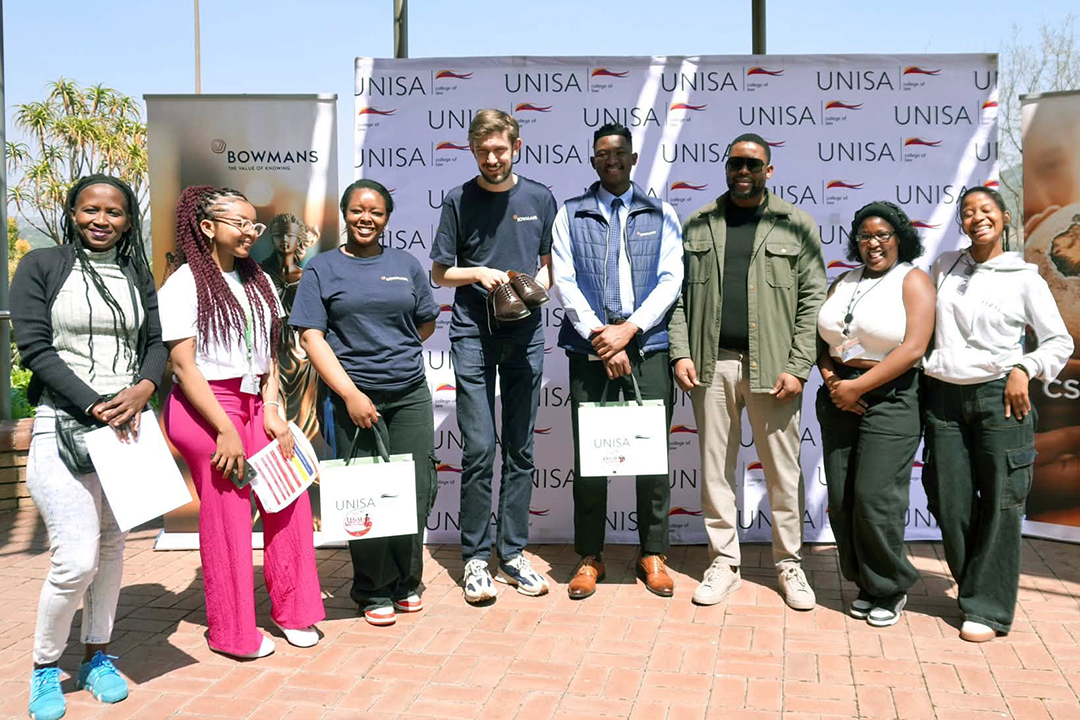 Unisa Law Clinic helps students dress for success through Legal Wardrobe initiative
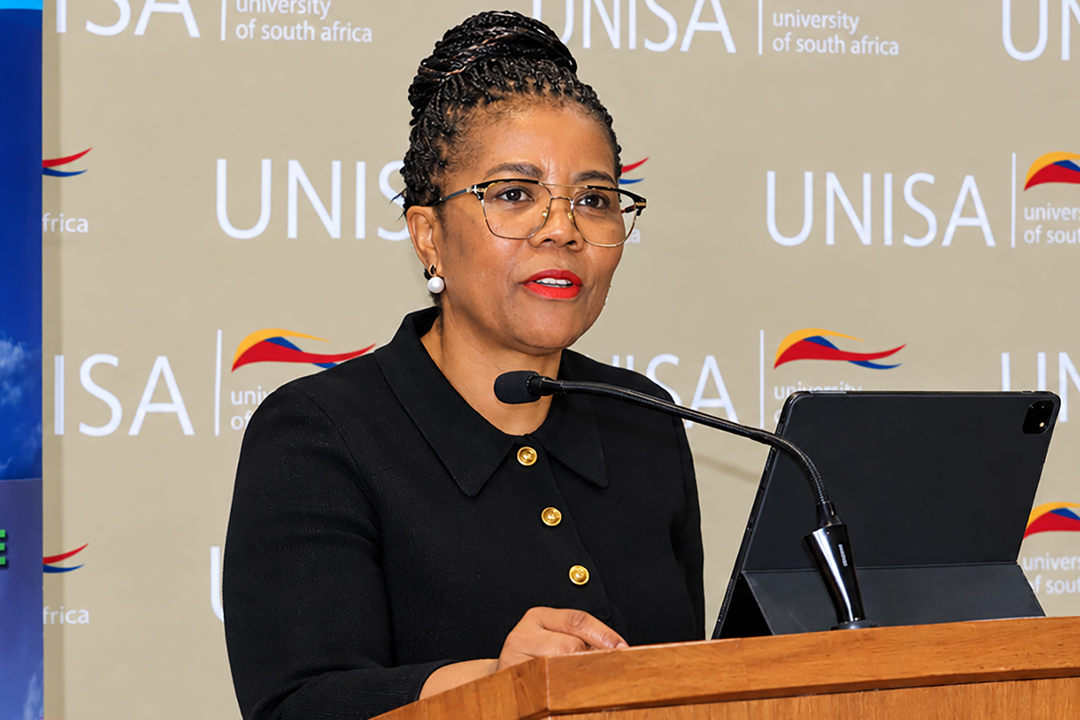 Unisa calls for stronger scientific collaboration to build South Africa's climate resilience
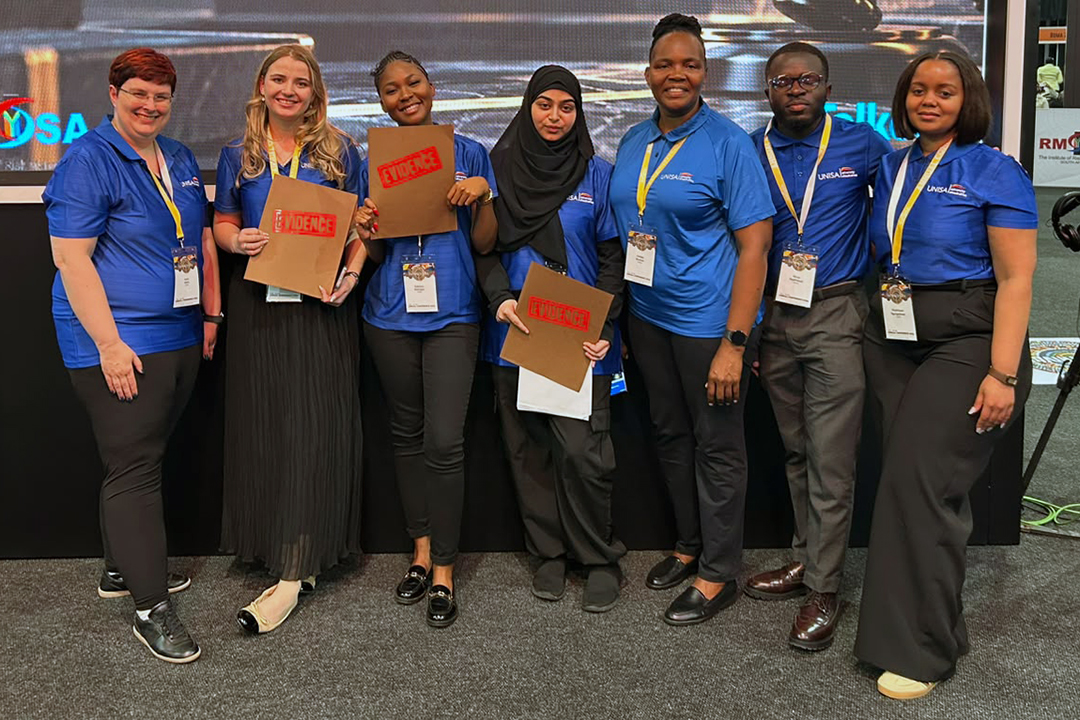 Unisa students triumph at national risk challenge with innovative AI solution
 Unisa College of Law strengthens student support through Vaal Regional Student Indaba
 Unisa joins SANEF in renewed call to defend media freedom and strengthen democracy