

Equipped with state-of-the-art laboratories that provide students with hands-on experiences to bridge theory and practice
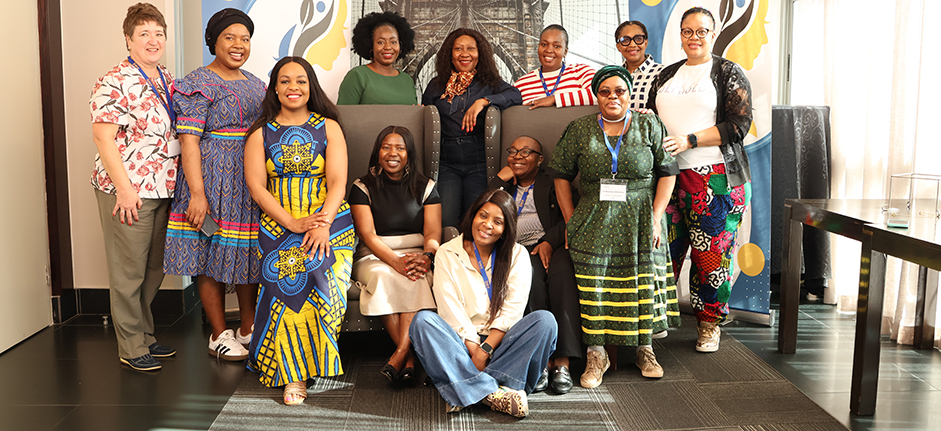
Women leaders from across South Africa gathered in Cape Town to explore power, institutional accountability, equity, resilience and the leadership legacy they want to leave behind.
A delegation from the University of South Africa (Unisa) joined academics and administrators from universities across the country at the HERS-SA Women Leadership Academy, held from 24 to 27 August 2026 at the Hilton DoubleTree in Cape Town.
Held under the theme Women Governing Change: Transformative Leadership, Institutional Accountability & Sustainable Futures, the four-day academy provided a space for women in academic and administrative leadership to reflect on the challenges facing higher education and consider how they can use their influence to drive meaningful institutional change.
Unisa was represented by Prof Lebo Mudau, Prof Mpho-Entle Puleng Modise, Prof Keletso Mohale, Dr Nthabeleng Mdhuli, Ms Joan Mokhlele, Dr Lerato Sonia Tladi, Dr Lungile P. Luthuli, Prof Ronell van der Merwe, Prof Noluntu Mpekoa, Dr Mmaleepo Maria Marakalla, Prof Livhuwani Tshivhase, Dr Vhulenda Edna Matshili-Mukheli, Mrs Nontobeko Magwaza, Ms Noluthando Khanyile and Dr Portia Pearl Siyanda Sifolo.
Prof Olivia Mapholi, Deputy Executive Dean in the College of Agriculture and Environmental Sciences, also attended the academy and was recognised for her strong transformational leadership.
The programme brought together women leaders from institutions including the University of Cape Town, Stellenbosch University, the University of the Western Cape, the Cape Peninsula University of Technology and Tshwane University of Technology. Discussions ranged from institutional power and political intelligence to funding, artificial intelligence, wellbeing, succession planning and leadership legacy.
The academy opened with a focus on power and how women can turn individual achievement into collective institutional influence.
Dr Mamsie Motshekga-Sebolai of the HERS-SA Board urged delegates to think differently about power, opening the discussion by reminding delegates that "power is not given to you".
The session explored the importance of self-awareness, active listening, relationships, mentorship and mobilising others. Delegates were encouraged to see these not as secondary aspects of leadership, but as essential to building influence within complex institutions.
The often-unrecognised work performed by women in academia came under the spotlight during a session led by Prof Nalini Moodley of Tshwane University of Technology.
Drawing on Arlie Hochschild’s concept of "the managed heart", Moodley challenged delegates to examine the emotional labour that often accompanies academic and institutional leadership.
This includes mentoring colleagues and students, serving on committees and providing emotional support, much of which is not formally recognised.
Delegates were encouraged to ask three questions: What am I doing? Who benefits? Is it recognised?
For many, the answer to the final question highlighted how frequently this work remains invisible within institutional structures.
The academy also explored how leaders and universities can prepare students for an unpredictable future.
Richard Perez of the Hasso Plattner School of Design Thinking at the University of Cape Town spoke about entrepreneurial thinking in academic environments and the importance of helping graduates navigate uncertainty.
His central message was that students should be taught to "fail safely". Using a Design-Your-Life framework associated with Bill Burnett, delegates examined ways of reframing institutional challenges, including workload, setting boundaries and finding support.
Prof Sibusiso Moyo of Stellenbosch University examined the relationship between policy, implementation and institutional power.
The session encouraged women leaders to develop political intelligence by understanding institutional dynamics, recognising the right moment to act and building influence strategically.
Delegates were asked to describe the political climate at their institutions in a single word. Responses included "chaotic", "turbulent" and "heartbreaking", alongside more positive descriptions such as "inclusive".
The discussion ultimately reflected a shared determination to navigate challenging institutional environments and continue making progress.
Transformation in higher education was another major focus.
Dr Shireen Motala, SARCHi Chair in Teaching and Learning, challenged delegates to consider the difference between measured inclusion and substantive equity.
She presented statistics highlighting persistent inequalities in women’s doctoral journeys in South Africa. Women accounted for 48% of doctoral enrolments in 2020 but only 43% of doctoral graduations. Just 36% of NRF postgraduate bursary applications from Black women applicants were granted.
The average age at doctoral completion was cited as 41 to 42, while 60% of doctoral candidates study part-time.
The message was clear: access alone does not constitute equity. Meaningful transformation requires redistribution, recognition, representation and relational support.
The realities of university funding and financial pressures also featured prominently.
Vincent Motholo, Chief Financial Officer at the University of Cape Town, outlined three major sources of university funding: state funding, tuition and student fees, and diversified external income, including research grants, philanthropy and commercialisation.
A discussion on what was described as the "scarcity dividend" challenged leaders to look beyond the immediate cost of decisions and consider what periods of scarcity reveal about institutional priorities.
Meko Magida of the University of the Western Cape examined leadership during austerity, arguing that financial constraint is not simply a financial issue but also a leadership challenge.
Delegates were encouraged to ask not only whether costs could be reduced, but whether leaders could defend the way those reductions were made. This was framed as ethical downsizing.
Another message that resonated was that, during periods of uncertainty, leaders cannot always provide certainty, but they can provide clarity about the uncertainty.
Grant writing and fundraising were addressed by Calvin Maseko of the Cape Peninsula University of Technology.
He emphasised that successful funding applications begin long before a funding call opens. Research funding, he argued, should be approached as a strategic pathway rather than a last-minute solution.
The session highlighted the importance of relationships, storytelling and understanding donor priorities. Maseko urged delegates to "know your donors very well" and ensure that proposals clearly respond to donor criteria while creating a meaningful connection with the project.
The growing role of data and artificial intelligence in institutional decision-making was explored by Dr Riashna Sithaldeen of the University of Cape Town.
She cautioned that having more data does not automatically result in better decisions. Leaders must still interpret evidence, exercise judgement and take responsibility for the consequences of their choices.
The distinction between evidence that simply describes a situation and evidence that requires action was particularly relevant in discussions about leadership in the age of artificial intelligence.
For Unisa delegates, the discussion also connected with the university’s ongoing work around AI in teaching, learning and assessment within an open distance e-learning environment.
The final day turned attention to the wellbeing of leaders.
Delegates explored indicators of burnout, including emotional exhaustion, cynicism, declining motivation and reduced job satisfaction. A simple energy-management framework of restore, reshape and rethink was introduced as a way of approaching personal sustainability.
Dr Naziema Jappie also led sessions on courageous conversations, conflict navigation and moving from personal legacy to collective impact.
Delegates were encouraged to respond to criticism and public challenges by first pausing, establishing the facts, considering different perspectives and then responding through principles of restorative mediation and social justice.
Sessions on succession and talent management further explored job shadowing, succession planning, skills transfer and identifying skills gaps within institutional promotion, rotation and talent-management processes.
The academy closed with a reflection on leadership legacy, led by Dr Elena Ndlovu.
Delegates were asked two questions: What are you intentionally building that will outlast you? and What has become different because you were here?
The closing exercise, titled A Letter from 2031, invited participants to imagine themselves five years into the future and reflect on the leaders they hoped to become.
For the Unisa delegates, the exercise prompted reflections on inspiring others within and beyond the university, producing work that makes a difference in communities, creating opportunities for others and refusing to carry a victim mentality into the future.
Several delegates also reflected on the importance of defining leadership beyond formal titles, recognising that leadership can be exercised through influence, service and the ability to open doors for others.
Unisa’s participation in the HERS-SA Women Leadership Academy reinforces the university’s commitment to developing women in academic and administrative leadership.
The academy provided delegates with an opportunity not only to acquire new leadership insights, but also to reflect on the kind of institutions they want to help build and the legacy they hope to leave behind.
By Prof Mpho-Entle Modise, Department of Curriculum and Instructional Studies
Publish date: 2026-09-07 00:00:00.0

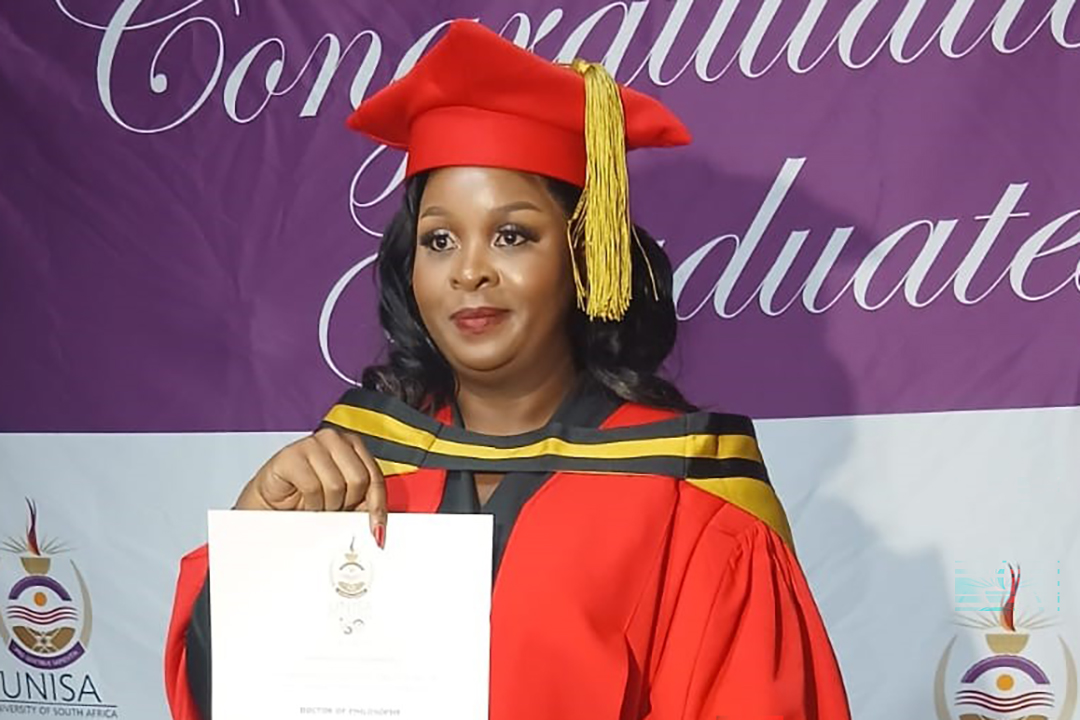 Unisa celebrates 25 new PhD graduates advancing research and innovation
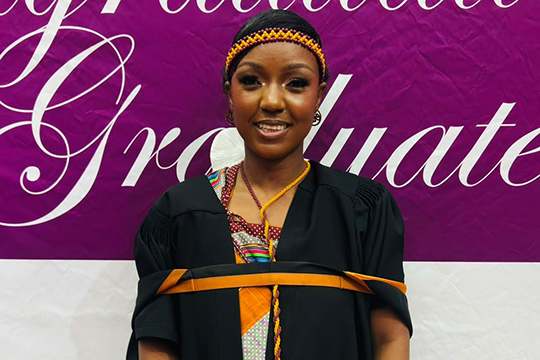 From Maramanzhi to master's: Unisa graduate champions Tshivenda through scholarship
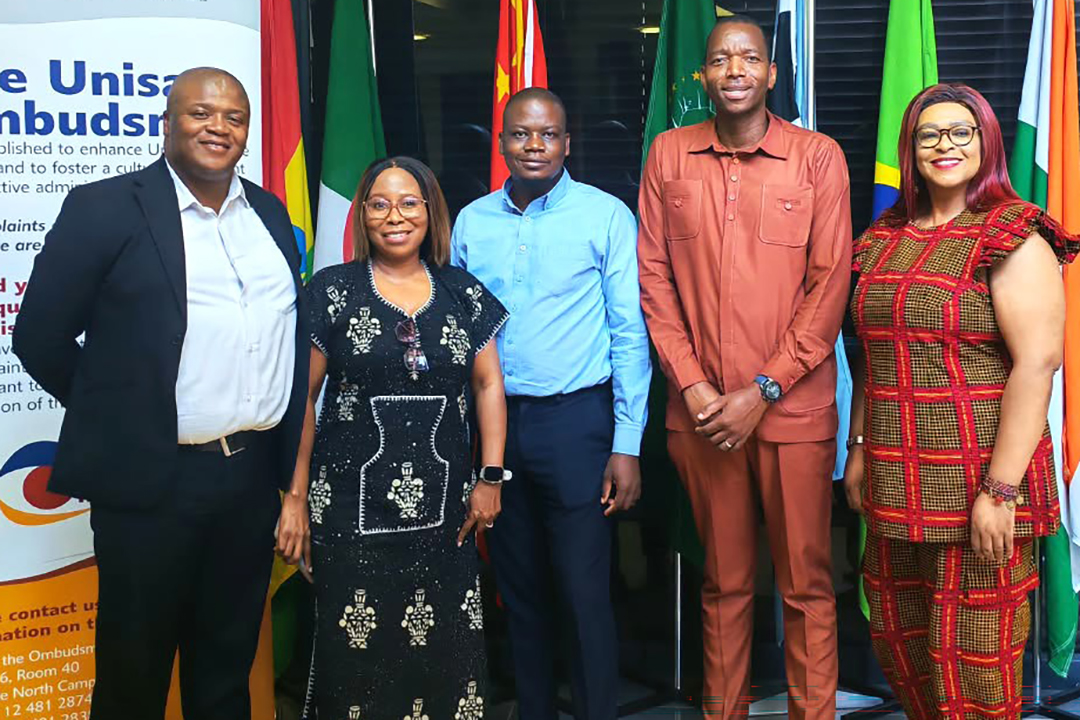 Unisa students help shape digital complaints system to improve accountability and service delivery
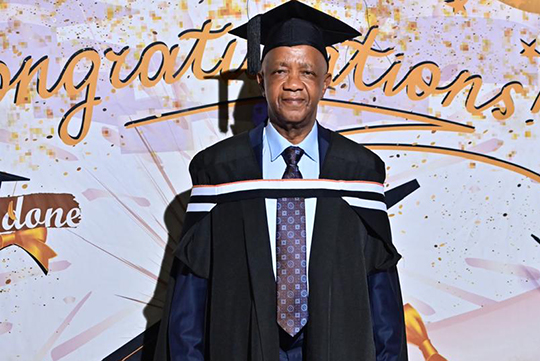 Age is no barrier to success: Former NAFCOC president earns Unisa master's degree at 71
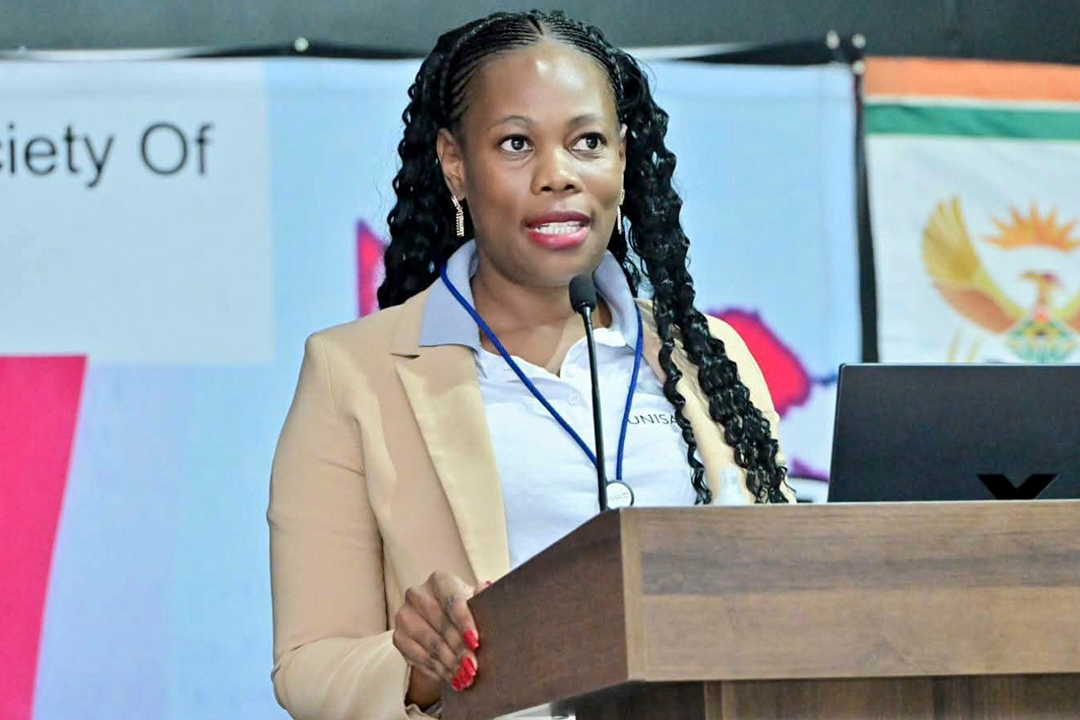 From academic setbacks to master's distinction: Unisa graduate's journey of resilience