
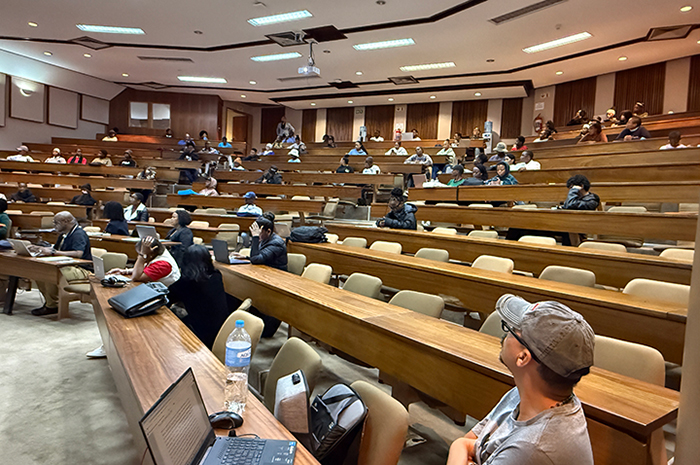
Students in attendance
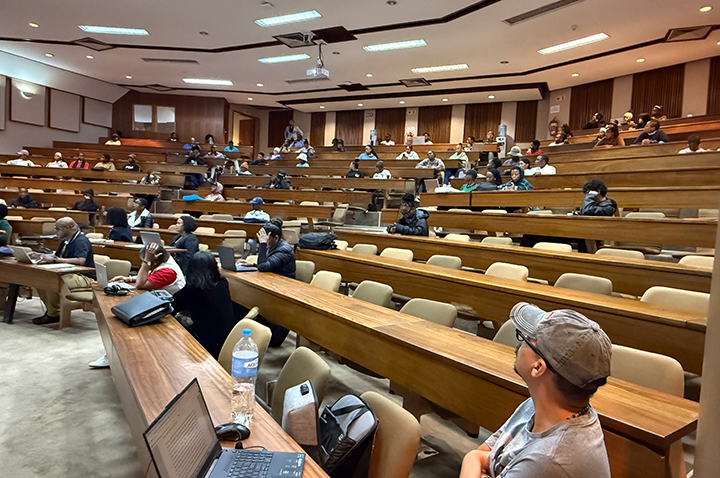
Unisa’s Gauteng Region recently hosted a Menu of Services awareness campaign at the Science Campus in Florida, aimed at strengthening communication with students and equipping them with information about the support services available within the region.
The session formed part of the region’s ongoing efforts to ensure that students are well informed about institutional resources that support their academic success.
The purpose of the campaign was to welcome new students to the Science Campus and empower them with knowledge about the various support services available in the Gauteng Region, particularly those accessible at the Science Campus.
The initiative also served as a follow-up to the recently held institutional orientation sessions across the University of South Africa's various regions. The event commenced with welcoming remarks by Dr Catherine Boonzaaier (Head: Facilitation of Learning), who set the tone for the day by greeting the more than one hundred students who attended the session. Despite the rainy weather, a sizeable number of students gathered at the centre to participate in the informative programme.
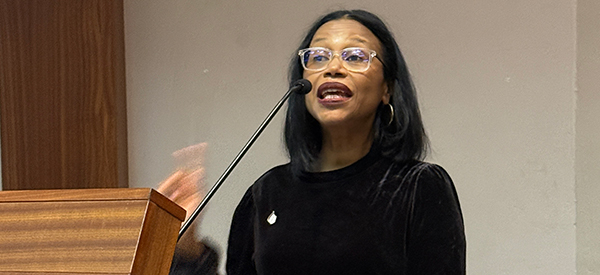
Dr Catherine Boonzaaier (Head: Facilitation of Learning)
Omar Abdullah (Manager: Protection Services) opened the day’s presentations with an important safety briefing. He cautioned students to remain vigilant and avoid falling prey to criminal activities in the university environment. He further advised new students not to trust strangers on campus without proper verification, noting that some individuals may not be university staff or registered students. Maupi Penyenye from the Directorate: National Student Financial Aid Scheme (NSFAS) spoke about funding opportunities for students.
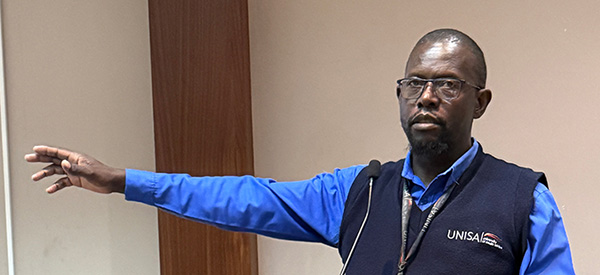
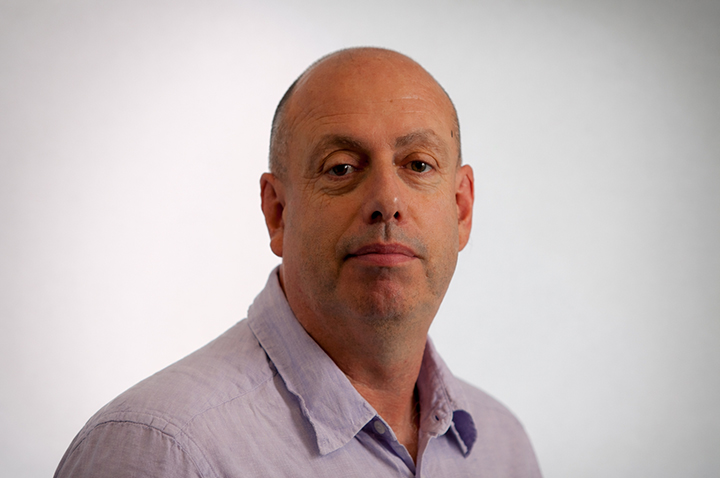
Omar Abdullah (Manager: Protection Services)
Up next was Cristine Tuge (Acting Manager), responsible for registration in the College of Economic and Management Sciences (CEMS) and Accounting Sciences (CAS), who highlighted the importance of carefully selecting modules during registration. She encouraged students to follow the prescribed curriculum guidelines available on the university’s website to ensure smooth academic progression.
Students also heard from Maatlou Matsetse (Digital Learning Advisor) from Technology Enhanced Learning, who encouraged them to take full advantage of the digital learning tools and online platforms designed to support their studies. From the Directorate of Student Assessments and Administration, Martha Nyandeni (Manager: Assessment) and Nervani Govender (Manager: Examinations) presented on assignments and exams and what is expected from students. Samson Nobela (Branch Librarian: Client Services) emphasised the importance of making full use of the university’s library resources for research, academic writing and access to learning materials.
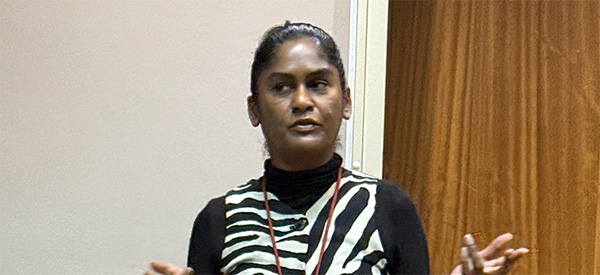
Nervani Govender (Manager: Examinations)
Complementary presentations provided students with valuable guidance on key academic and support services. Shumaya Primm (Tutorial Officer) spoke on academic literacy, emphasising the importance of developing strong research, reading and writing skills to succeed in higher education. Calvin Sias (Tutorial Officer) spoke about micro-teaching lessons, highlighting practical learning services, particularly for students preparing for teaching-related fields. Petunia Mbatha (Tutorial Officer) outlined the work-integrated learning (WIL) component, explaining how students can gain workplace experience through their programmes. Kagiso Mekoa (Student Counsellor) introduced the range of psychosocial support available, encouraging students to seek assistance for academic pressure, personal challenges or mental health concerns to ensure their overall well-being throughout their studies.
An important segment of the programme was the presentations from academic representatives, Dr Emil van der Poll and Dr Tshimangadzo Munonde, based at the Science Campus, who are collaborating with the Gauteng Region’s Dr Catherine Boonzaaier on two engaged scholarships in CSET. These initiatives aim to strengthen practical learning opportunities and expose students to emerging technological fields.
The session also created space for the student voice through Siyathokoza Otto Nkwanyana, Chairperson of the Regional Student Representative Council in the Greater Johannesburg region. Nkwanyana congratulated the students on their acceptance by and registration with the University of South Africa, one of the largest universities on the African continent. He encouraged students to report any concerns or challenges through appropriate university channels so that they can be addressed effectively. He further advised students to respect university policies and cautioned against airing grievances on social media, noting that such actions may have reputational and legal consequences.
Closing the session, Pulane Mphasane, Regional Academic Coordinator, expressed appreciation to all programme participants, including the speakers, Gauteng Region management and the students who braved the rainy weather to attend the awareness campaign. She encouraged students to utilise the services presented during the session actively and wished them success in their academic journey at the university.
* By Thembeka Mpapama, Manager: Communication and Marketing, Gauteng Region
Publish date: 2026/03/17
 Unisan appointed to the UJ Archives Advisory Board
 Gauteng awareness campaign empowers Unisa students
 Childhood disability not an impediment for proud Unisa alumnus
 A 1970s vision for global equality remains relevant
 Unisa roundtable highlights the importance of media in an election year