
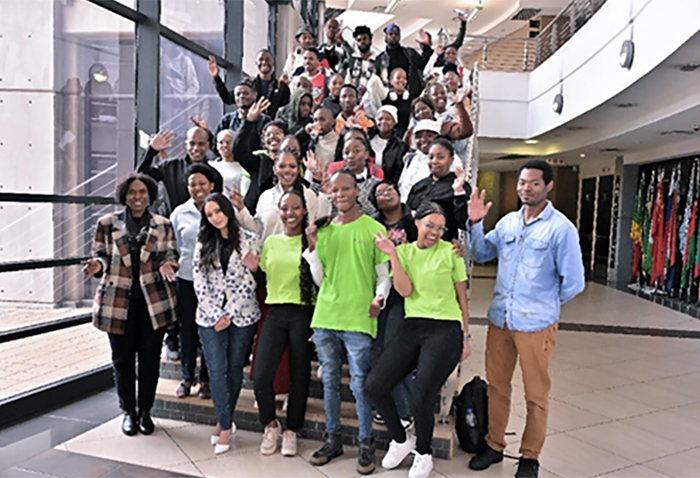
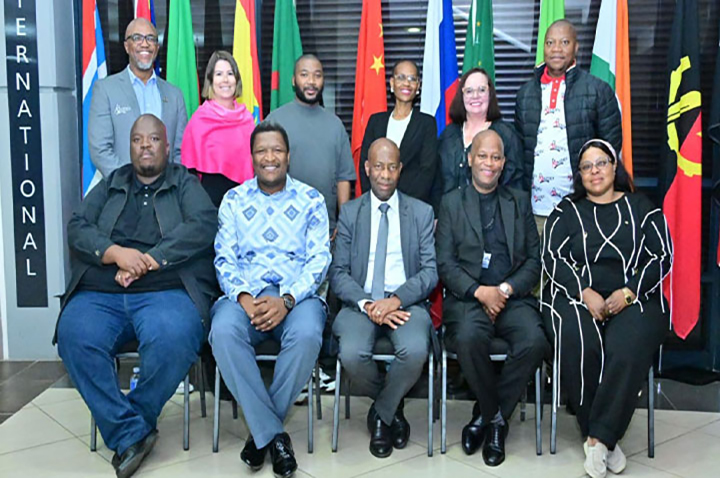
Attendees at the Muckleneuk Campus
Unisa hosted an innovative Hybrid Gamified Climate Change Symposium on 29 September 2025, which brought together students, academics, entrepreneurs and sustainability professionals for a transformative engagement on South Africa’s climate future.
Organised collaboratively by the Office of the Dean of Students, the Department of Psychology, the Academic Development Open Virtual Hub (ADOVH), Inhlanyelo Hub NPC and Unisa regional offices, the symposium combined expert insights with interactive, gamified learning, designed to empower participants to drive climate solutions within their communities.
Held both online and at the Unisa Muckleneuk Campus and the Unisa Eastern Cape Regional Office, students and community members were given the opportunity to engage through accessible, place-based platforms. The event centred on the theme, "The prioritisation of climate change by government, businesses and educational institutions". The programme director, Siphiwe Ndlovu, guided a dynamic discussion that highlighted the intersection of climate science, entrepreneurship, education, psychology and sustainability.
The panel of speakers offered a rich blend of perspectives, each illuminating a different dimension of climate action and sustainability. Dr Thelma Louw (Unisa Sustainability Office) opened the session by outlining Unisa’s ongoing sustainability initiatives and reaffirming the institution’s long-term commitment to reducing its environmental footprint. She emphasised the importance of embedding environmental responsibility across all university operations and academic programmes.
Building on this foundation, Dr Denzil Chetty (ADOVH) highlighted the critical role of higher education in preparing climate-ready graduates who can thrive in an increasingly unpredictable world. He stressed the power of digital learning ecosystems in expanding access to climate education and called for innovative teaching methods that weave sustainability principles into everyday learning experiences.
Turning to the economic landscape, Dr Tapiwa Muzata (Inhlanyelo Hub NPC) explored how climate change introduces both risks and emerging opportunities. He encouraged students to consider pathways in green entrepreneurship, climate-smart technologies and circular‑economy initiatives that will not only address environmental challenges but also create sustainable business ventures and employment.
From a psychosocial perspective, Nathma Samie (Department of Psychology) examined the mental‑health implications of climate change, including eco-anxiety and community-level trauma. In her presentation, Samie underscored the value of traditional knowledge systems in fostering healing, resilience and deeper ecological responsibility.
Shifting the focus to matters of equity and participation, Yasirah Madhi (Institute of Economic Justice) stressed the indispensable role of young people in shaping fair and inclusive climate‑finance frameworks. She highlighted the need for capacity‑building, equitable representation and meaningful youth participation in climate‑finance decision‑making processes.
Adding an essential regional lens, Raseela Daya (Eastern Cape Regional Office) provided grounded insights into how climate change affects communities in the Eastern Cape, one of South Africa’s most climate‑vulnerable and economically diverse provinces. Her contribution emphasised the importance of recognising regional disparities in the impact of climate change and of mobilising climate education, mitigation efforts and community partnerships within local contexts.
A highlight of the symposium was the ECOSTEM: Climate Countdown "Saving the planet from climate catastrophe" challenge. This "serious game" approach used time‑pressured decision‑making to strengthen climate knowledge in an engaging and accessible way.
Messages of support from Tebogo Mangope (Student Social Development), Tania Molapo (Tshwane Regional Student Representative Council) and Dr Harold Ncongwane (Department of Psychology) reinforced a unified call: climate action demands collective responsibility - whether through academic research, informed civic participation or lifestyle shifts, every individual contributes to shaping a sustainable future.
Unisa will strive to continue hosting and improving the standard of the Hybrid Gamified Climate Change Symposium, as it is an essential tool for Unisa students to supplement their formal education. Student attendance and positive feedback strengthen the university’s dedication to curating interesting programmes that add value to and advance interactive engagement among students, academia, industry experts and the community.
* By Mmangakane Yvonne Mmako, Training, Research and Capacity Development Practitioner (Acting), Directorate of Student Development, and Nathma Samie, Postgraduate Assistant, Department of Psychology
Publish date: 2026-02-10 00:00:00.0

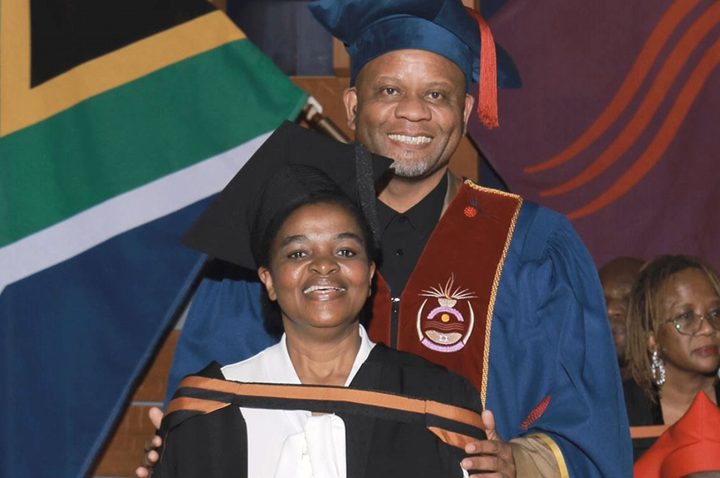 Supporting success: How Unisa's PRG helped Babalwa Ramncwana take the next step in her academic journey
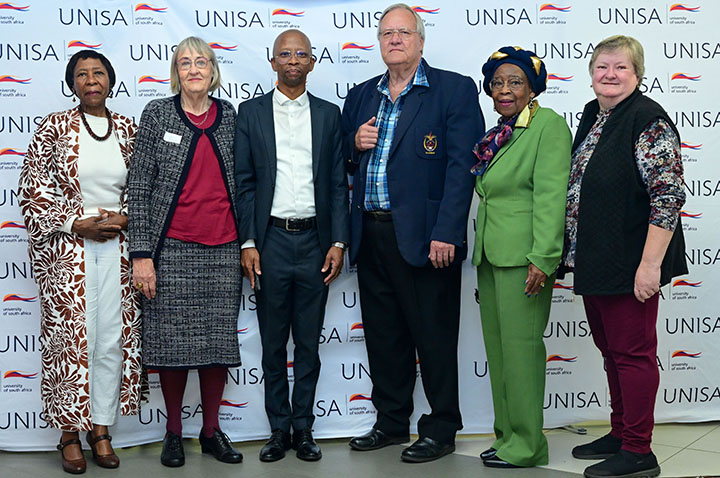 Wisdom that connects generations: Unisa celebrates its senior citizens
 From e-Tutor to Adjunct Academic: Lerato Letsoalo’s journey into academia at Unisa
 NASDEV Conference celebrates women's leadership and calls for ethical, equitable institutions
 Turning data into opportunity for mathematics learners