

The African college of excellence in the social and human sciences
This Women’s Month, two scholars from Unisa’s Department of Health Studies in the College of Human Sciences travelled to Makapanstad in the North West province to spend time with the aged and their caregivers as part of the department’s A re Aganeng community engagement project.
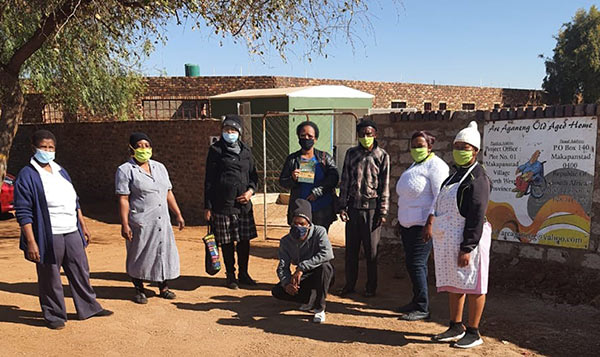
According to professors Debbie Habedi and Kefiloe Maboe from the Public Health and Health Sciences Education disciplines, Unisans within the Department of Health Studies truly embody the spirit of the meaning of A re Aganeng (Let us build each other), and that is why they felt it was necessary and important to travel out to the senior members in the A re Aganeng Old Age Home.
Spending two hours with the aged and their caregivers, the professors explain that the aim of the visit was to educate those they met about coronaviruses, as health education is one of the deliverables of the project. They informed the community on the importance of knowing the four precautions that they must follow to avoid being infected, especially given that senior members are more at risk.
"Coronaviruses are a large family of viruses which may cause respiratory infections ranging from the common cold to more severe diseases such as Middle East Respiratory Syndrome (MERS) and Severe Acute Respiratory Syndrome (SARS). The virus spreads when droplets from a sick person get into the eye, nose, and mouth of a healthy person."
"So, it is important if anyone sees someone who is visibly coughing, sneezing, and sick to keep a distance of two metres. They must also avoid crowds. Sometimes a sick person’s saliva can get on other things such as hands, doors, devices, cups, pens, handrails, utensils, among others. If a healthy person touches any of those things by accident and then touches his or her face, or those of loved ones, or rubs their eyes, they might fall sick."
Habedi and Maboe shared the following four precautions with the community:
They also shared the national contact for information on the coronavirus, which is the 24-hour National Institute for Communicable Diseases (NICD) Hotline: 0800 029 999.
* Submitted by Professors Debbie Habedi and Kefiloe Maboe, Department of Health Studies, College of Human Sciences & edited by Rivonia Naidu-Hoffmeester, Communications and Marketing Specialist, College of Human Sciences
Publish date: 2020-08-20 00:00:00.0
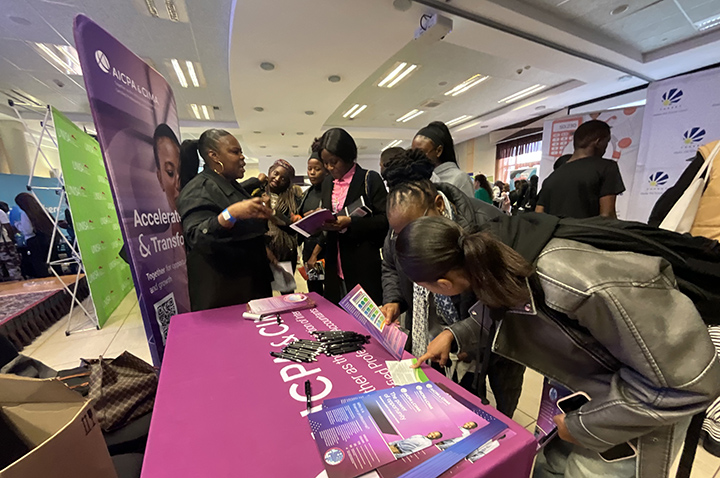 Accounting Career Day inspires future professionals at Unisa
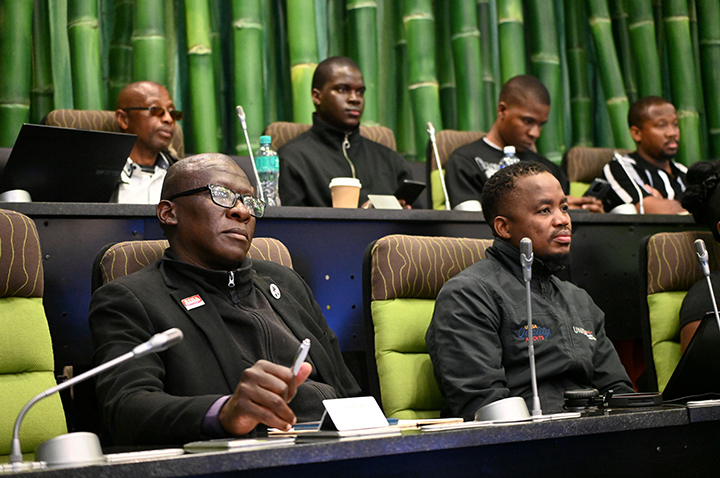 Unisa celebrates World IP Day 2026
 When resilience meets purpose
 Unisans shine at the tough up-run 2026 Comrades Marathon
 CRDB Bank CEO earns PhD from Unisa