

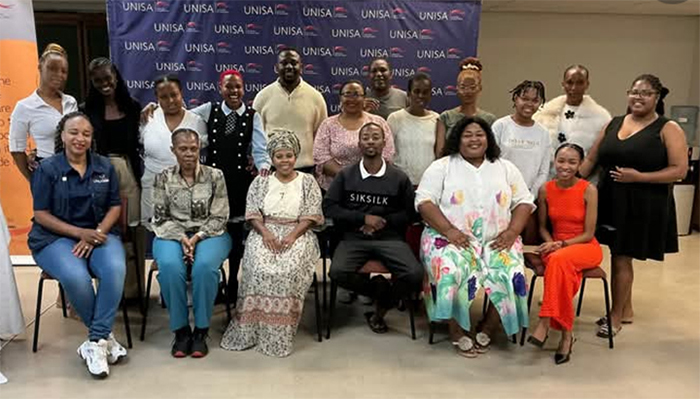
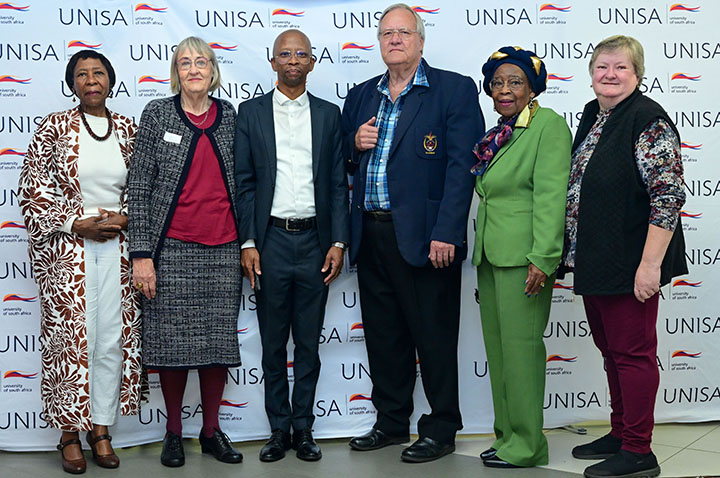
Attendees and presenters at the CHEAIP Student Voices Forum Workshop
At the recently held Council on Higher Education Audit Improvement Plan (CHEAIP) Student Voices Forum Workshop, which was hosted at the Unisa Durban Campus in the KwaZulu-Natal Region, students were assured that their opinions matter in enriching quality education at Unisa. Students from across Unisa regions came together to contribute meaningfully to the engagement, and to receive feedback thereof.
In 2024, Unisa implemented the Student Engagement in Quality Assurance and Student Support Project, which was catalysed by the Council on Higher Education Institutional Audit and the Good Practice Guide on Student Engagement in Quality Assurance and Promotion. During the 2025 rollout of the project, there was a need to introduce a structure that would be known as the Student Voices Forum at an institutional level.
To ensure that students’ voices are heard, a platform was then established for students to share their principles that studying at Unisa has nurtured and solidified. Students who participated believe that autonomy, meaningfulness, independence, discipline, diversity, confidence and resilience are crucial when studying at Unisa. These characteristics influence excellence beyond studying, as they can shape career trajectories.
An important element of the CHEAIP Student Voices Forum Workshop was the creation and reinforcement of the Student Voice Forum Charter. During the workshop, students engaged in discussions on the themes that were presented, ensuring that their voices are heard as they assimilated the elements of the draft charter.
The key objectives of the Student Voices Forum include
A strategy is being developed to help students understand their rights and responsibilities, and to distinguish between rights and privileges. Through this initiative, students are encouraged to be part of the solution.
* By Mxolisi Phakeme Nxumalo, Communication and Marketing Intern, KwaZulu-Natal Region
Publish date: 2026-01-28 00:00:00.0

 Minister Manamela calls for systemic reset of South Africa's PSET sector
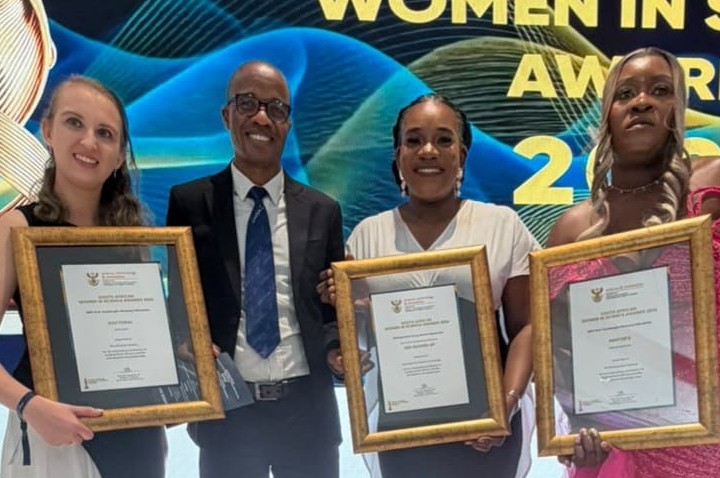 Three Unisa women putting science, research and innovation into action
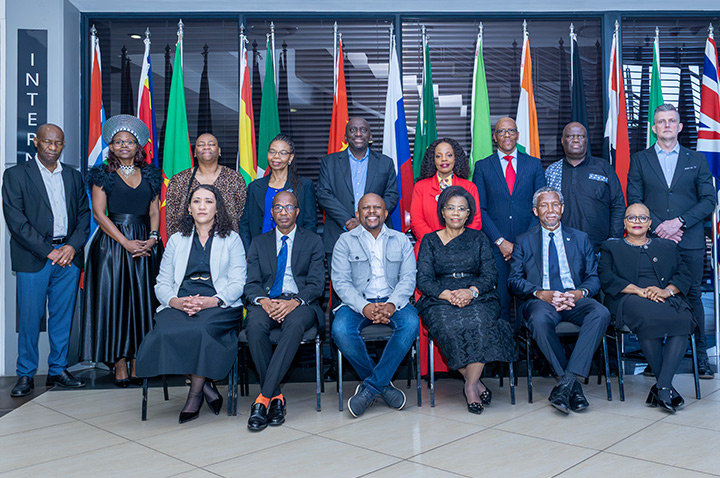 From preserving knowledge to shaping the future: Unisa Press and LIS mark 150 years of collective impact
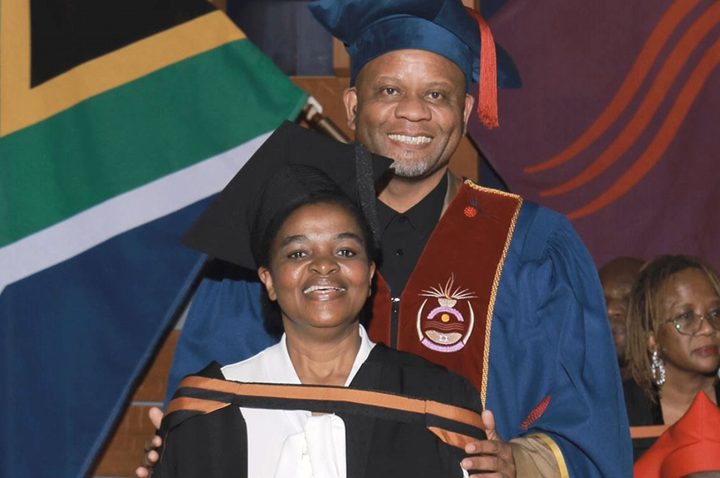 Supporting success: How Unisa's PRG helped Babalwa Ramncwana take the next step in her academic journey
 Wisdom that connects generations: Unisa celebrates its senior citizens