
UNISA Logo
Experts directory

Experts directory

Accounting Sciences | Agriculture and Environmental Sciences | Education | Law | Science, Engineering and Technology
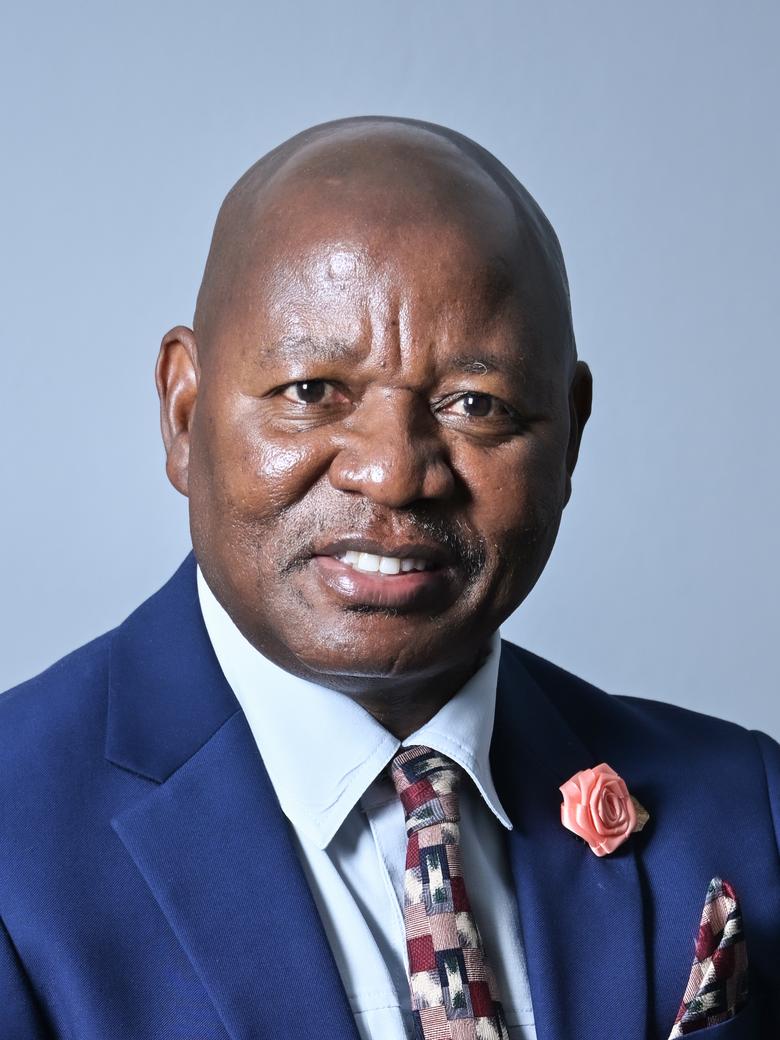
Wally Lumadi.jpg

Prof MW Lumadi

Professor | College of Education
School of Teacher Education | Department: Curriculum and Instructional Studies

Tel: 012 429 4444

  • Secondary Teachers Diploma - Venda College of Education (VECO)
  • Further Diploma in Education - Rand Afrikaans University (RAU)
  • BA - University of South Africa (UNISA)
  • B ED Hons - University of the Witwatersrand (WITS)
  • Hons BA - UNISA
  • M Ed (Curriculum Studies) - University of Johannesburg (UJ)
  • M Admin (Cum Laude) (HRM) - North West University (NWU)
  • MA (CW) - University of Stellenbosch
  • DEd (Curriculum Studies) - UNISA
  • Doctor of Divinity - California (USA)

C2

  • OTE2601

  • Teacher Education
  • Classroom Assessment
  • Language Education
  • Social Justice
  • Open Distance Learning
  • Indigenous Knowledge System
  • Human Resource Management

  • Curriculum & Instruction
  • Economics & Business Education

  • Mentoring Diverse Populations ISBN 10; 1-60797-381-2
  • Educational Research, An African approach. ISBN 9780190409135 . Chapter 13 : The logic of sampling.
  • Educational Research and Reviews Volume 11 Number 12 23 June, 2016 ISSN 1990-3839

    Editor:

    • Textbook: Teaching across the Curriculum: https://www.cambridgescholars.com › pdfs › 978- Edited by Akpovire Oduaran, James Omonu, Walter Lumadi and Kola Kazeem
    • Zulu, A and Lumadi MW. Reimagining curriculum in Namibia. Towards an emancipated educational system. https://link.springer.com/chapter/10.1007/978-3-031-84659-5_8
    • Exploring Curriculum Landscapes in Africa. Theoretical Foundations and Practical Realities.             Palgrave Macmillan

    Guest Editorship

    • Journal of Educational Studies (JES X 2)
    • South African Journal of Education (SAJE X 3)
    • South Africa Journal of Higher Education (SAJHE X 3)
    • Education as Change (EAC)
    • Africa Education Review (AER X 2)
    • Alternation (ALT)
    • African Perspectives in Teachings and Learning (APORTAL)
    • International Journal of Studies in Inclusive Education (IJSIE)
    • International Journal of Studies in Psychology of Education (IJSPSY)
    • Education Research and Reviews (ERR)

    • Lumadi, M.W. 2007.  Remedying misdemeanours at Higher Education and Training Institutions.  Journal on Contemporary  Issues in Education Research.  Vol.1 No.1. Pp13-20      
    • Lumadi, M.W. 2008. Teachers' exodus in South African schools: A smoke with burning fire.  Contemporary Issues in Education Research. Vol.1. No.4 Pp31-39
    • Lumadi, M.W. 2008. Managing diversity at Higher Education and Training Institutions. Journal on diversity management. Vol.3. No.4 Pp 44-53
    • Lumadi, M.W. 2008. The pedagogy of postgraduate research supervision and its complexities. Journal on Research methods and learning. Vol.2 No.2 Pp62-70
    • van Wyk, C. and Lumadi, M.W. 2009. Learning from external examiners about the application of critical research skills.  International Journal of Educational Science. (vol.1no.2 pp 91-98)  
    • Lumadi M.W. 2009. Investigating the styles of teaching and learning in the Religious Education Curriculum in Botswana Secondary Schools. Journal of College teaching and learning (Vol.6.no.8 pp95-102)    
    • Lumadi, M.W.2010. The need for training gender-sensitive teachers: Addressing challenges of    gender sensitive education for gender sensitive national development. Journal of diversity management (Vol.1no.1 pp 68-78)   
    • Lumadi, M.W. Continuous assessment in schools: Teachers' bitter pill to swallow. Journal of International Education Research. First quarter (Vol. 7 no.1pp 27 -34 )   
    • Lumadi MW. Students sad stories about trafficking; a scourge in curriculum implementation. JSS 32 (1) 81 89. 2012   
    • Lumadi, M.W. Teacher attrition rates. Its implications in the school curriculum. JES. Vol.10   (2011). PP 76 – 88.   
    • Sithole BM & Lumadi MW. Pedagogical challenges besetting Business Studies teachers in secondary schools : a Botswana perspective. JSS 32 (1):71 – 80. 2012   
    • Lumadi MW, Maguvhe MO & Dzapasi A. Transformational Efficacy of a Curriculum for People with Visual Impairment. ANTH 14 (4): 291-303. 2012.   
    • Lumadi MW & Maguvhe MO. Teaching Life Sciences to Blind and Visually Impaired Learners: Issues to Consider For Effective Learning Mediation Practice ANTH 14 (5) 375 – 381. 2012    
    • Assan TEB & Lumadi MW 2012 Facets of Integration in Economic and Management Sciences: Theory, Learning–Teaching, Assessment and Metaphor JSS 32 (3) 255 – 261. 2012.   
    • Lumadi MW. Empowering the Voiceless Rural Women: A Daunting Task in African Society.ST&T, 10 (2): 123-130 2012.
    • Sithole BM and Lumadi MW. Improvisation and the Use of Community Resources in Business Studies Teaching. JSS, 34(1): 17 2013.   
    • Assan TEB and Lumadi MW. Effectiveness of the Induction Programme for School Principals in the North West Province.  ANTH15(1): 79-87 2013.   
    • Lumadi MW. Challenges Besetting Teachers in Classroom Assessment:  An Exploratory Perspective. JSS 34 (3) 211-221 2013.   
    • Lumadi MW. Teachers in the National Curriculum Assessment Policy:  What Powers Do They Hold? JSS 35 (1): 43-49 2013
    • Sethusha MJ and Lumadi MW. Grade six learners' perceptions of environmental awareness: A human ecological support programme. JHE 42(2): 113-123. 2013.   
    • Lumadi MW. Implementing a responsive curriculum to diverse learners. JSS 35(2):111-123. 2013   
    • Lumadi MW and Assan, TEB School-based Curriculum Development: Experiences from the North-West schools. IJES 5 (3): 237 – 244 (2013).   
    • Lumadi MW and Maguvhe MO, Reimagining an Augmentative Communication: An Inclusive Curriculum Angle. IJES 5 (3): 245 – 254 (2013).   
    • Woldetsadik, DA and Lumadi MW. An Ethiopian paradigm of apprenticeship Training Colleges and Enterprise: A Curriculum Practice. JSS 36(3): 285-293 (2013.)
    • Lumadi MW. E-Learning's impact on the academic performance of Student- Teachers: A  Curriculum lens.  MJSS.  4 (14). 695 - 703. 2013. 
    • Lumadi MW and Sethusha JM. Child Support Grant. A dangling carrot in Curriculum Development. . MJSS. 4 (14). 669 - 675. 2013.   
    • Mapaire L and Lumadi MW. HIV/AIDS: Its impact in the Zimbabwean school curriculum. Vol.4. No 13. 2013.MCSER. Pp 773-780   
    • Asembo. KO and Lumadi MW. professionalising peripheral police officers in Kenya: Implications for curriculum development. Vol. 4. No 13. 2013. MCSER.Pp 781-789   
    • Lumadi MW and Kibinkiri EL. The role of E-Learning in the professional development of teachers in Cameroon: A discourse in Curriculum. Vol. 4. No. 13. 2013. MCSER. Pp791-800   
    • Lumadi MW. Exploring Factors Faced by Teachers in Curriculum Implementation. MSCER. Vol.5 No. 6. 2014.  Pp171 – 178.   
    • Lumadi MW. Curriculum Implementation: A Mammoth Task for Instructional Leadership. MJSS. Vol. 5 No. 6. 2014.  Pp203 – 210.   
    • Lumadi MW. Reversing the Trend of Dismal Performance in Disadvantaged Schools: A Curriculum Evaluation Tool.  MSCER.  Vol.5 No. 6. 2014. Pp243 – 249.   
    • Lumadi MW. Building a Conducive Learning Environment in Dysfunctional Schools: A Curriculum Development Tool.  MJSS.  Vol.5 No. 6. 2014. Pp319 – 325.    
    • Lumadi MW, Teaching and learning of peace and security studies in universities: students reflections on quality and inputs for curriculum implementation. MJSS.Vol.5 no.15. Pp281 - 288
    • Lumadi MW. Challenges Besetting Teachers in the Implementation of E-Learning in Schools: A Guide to Curriculum Development. MJSS. Vol.5(20) 2014. Pp2814 - 2822   
    • Asembo, KO and Lumadi MW. The Will ...but…the Way: Students'  Reflections on the Pursuit of  Higher Education in Peace and Security Studies amidst Resource Challenges in Universities.  MCSER. Vol.5 (20) 2014. Pp2823 - 2830 
    • Zulu, A and Lumadi MW. Managing School Based Studies in Namibia's Zambezi Region: Navigating Challenges in the Practicum  Triad. MJSS. Vol.5 (20) 2014. Pp2841-2846  
    • Lumadi, MW and Acquah BYS. Assessment of Trainee – Economics teachers' Effectiveness: Senior High School Economics Students' Perspective. MCSER. Vol.5 (20) 2014.  Pp2853 -2863 
    • Woldetsadik, DA and Lumadi MW. The Lived Experiences of  Academically High Achievers of Menieato Elementary School: A  Phenomenological Approach. MJSS. Vol.5 (20) 2014. Pp2871 - 2875 
    • Asembo KO and Lumadi MW. Curriculum Design of Higher Education in Peace and Security Studies: Student's Perceptions of Quality. MSCER. Vol 5 no (20) 2014. Pp2896 – 2904     
    • Lumadi MW. Lacking the learner centred approach in mathematics: A Curricular paradigm. IJES. Vol.7 (3) p783 – 788. 2014   
    • Lumadi MW. Factors confronting transformational leadership: A Curriculum Management  Perspective. IJES. Vol. 7 (3). P663 – 672. 2014  
    • Woldetsadik, DA, and Lumadi MW. Gender Responsiveness of  HIV/AIDS Awareness Program in Addis Ababa. JHE. Vol. 48 (3) 417-422. 2014 
    • Woldetsadik DA and Lumadi MW. Missing Link: Partnership of Technical Vocational Education and Training (TVET) Colleges and Industries in Addis Ababa. Journal of Economics. Vol. 6 (1): 74 -78. 2015  

    DHET Selected Journals:

    • Lumadi MW .Curriculum management: 2012 "Driving the school management team frantic. AER121-135. 2012.  
    • Lumadi MW. Curriculum reform paradigm: A turnaround strategy JES 2016 Vol. (16) 19 – 38.  
    • Lumadi MW. Rethinking the technology platform through equitable quality curriculum For empowering the marginalised women in education. Koers 2017. Vol. 82(3). 2326 Pp1-13  
    • Lumadi MW. Establishing levels of teachers’ democratic pedagogy: a curriculum praxis spectrum. JES 2018. Vol 17 (1) Pp 43 -56 
    • Lumadi MW. Reimagining a link for achievement and attrition in curriculum implementation. Africa Education Review (AER )2019.  Vol.6 (6) Pp 214 – 228 
    • Lumadi MW. Fostering an equitable curriculum for all: a social cohesion lens. Education as Change (EAC). 2020. Vol. 24 (1) Pp 1 – 20. 
    • Lumadi MW. School finance reform for curriculum innovation: An equity prospect. South African Journal of Education (SAJE) 2020.  Vol. 40 (4) Pp 1-9.  
    • Lumadi MW. Decolonising the curriculum to reinvigorate equity in Higher Education: A linguistic transformation. South African Journal of Higher Education (SAJHE) 2021. Vol.35 (1) Pp 37 – 53.
    • Lumadi MW. In Pursuit of Equity in Assessment among Indigent and Affluent Students at ODeL Institutions.  Alternation (ALT) 2022 Vol. 39 (1)57 – 78.
    • Lumadi MW. SAJHE. 2024. Exploring the use of digital technologies to tackle inequities in        Assessment at higher education institutions. 38 (3), 77-96. https://doi.org/10.20853/38-3-6368 P.77-96

      Siaw-Marfo, D and Lumadi M.W. AER. 2025. Exploring the Influence of School Location on

      the Self-Efficacy Beliefs of Supervisors in Instructional Supervision in Public Basic Schools in the Greater Accra Region of Ghana. Pp.122-144 (Published online). https://doi.org/10.1080/18146627.2025.2504042.

      Lumadi MW. 2025. SAJE.  Restorative justice: Leveraging community partnerships to

      Forster equitable learning in South Africa. Vol.45, Number 4 pages 1 -14.  doi:10.15700/saje.v45n4a2698.


      Bansah AA. and Lumadi MW. SAJHE. 2025. Investigating English education quality: teacher

      factors in Cape Coast senior high schools. Volume 39 | Number 3 | July 2025 | pages 1-15. http://orcid.org/0000-0003-2199-1125

      Ngamba, AA. and Lumadi, MW. SAJE. 2025.  The analysis of formative assessment

      practices, strategies and tools in primary schools. Volume 45, Number 3, Pp. 1 – 21. https://doi.org/10.15700/saje.v45n3a2471.


      Dagne AK and Lumadi, MW. SAJE. 2025. SAJHE. Assessment of knowledge management

      practice for curriculum development in case of Ethiopian Defence University. Volume 39, Number 6, Pp.59-84. https://dx.doi.org/10.20853/39-6-6435


      Lumadi MW. AER. 2026. Embracing equity and Inclusive Pedagogies Amid the Fourth

      Industrial Revolution. Volume 10, Number 4, Pp 1-22. https://doi.org/10/1080/18146627.2025.25.93941.

      Adobah-Bansah, A and Lumadi, MW. SAJE. 2026. Examining Institutional Variables

      Affecting the Quality of Senior High School English Language Education in Cape Coast Metropolis, Ghana.

      Adobaw-Bansah A & Lumadi MW 2026. Promoting quality education through inclusivity

      and equity in Ghana’s educational system: A meta-synthesis. SAJE, 46(1):Art. #2704. https://doi.org/10.15700/saje.v46n1a2704

    • AERA (USA)
    • AARE (Australia)
    • ERR (USA)
    • EDEN (Europe)
    • LICE (UK)
    • IAFOR (Asia)
    • SAERA

    Positions (Former)

    • HoD : Curriculum & Teaching (NWU)
    • Director: School of Post Graduate Studies
    • Member of Council
    • Vice-Rector: Westminster College of Education
    • Campus Rector: Westminster College of Education

    Board membership: 

    • Blue Crest University
    • International Journal of Studies in Inclusive Education (IJSIE)
    • International Journal of Studies in Psychology of Education (IJSPSY)

    International Collaboration

    • Chandigan University (India): as visiting scholar
    • University of Eswatini (Uneswa)
    • University of Cape Coast (Ghana)
    • University of Namibia (Unam)
    • University of Zambia (Unza)

    ACADEMIC CITIZENSHIP
    • University of Eswatini
    • University of Namibia
    • University of Botswana :
    • University of Lesotho :
    • University of Johannesburg
    • University of Kwa-Zulu Natal
    • University of Pretoria
    • University of Venda
    • University of Zululand
    • Nelson Mandela University
    • North West University
    • University of Free State
    • University of Fort Hare
    • University of the Western Cape
    • University of Limpopo
    • Tswane University of Technology
    • Walter Sisulu University
    • Wits University
    • Stellenbosch University

      International Collaboration

      • Chandigan University (India): as visiting scholar
      • University of Eswatini (Uneswa)
      • University of Cape Coast (Ghana)
      • University of Namibia (Unam)
      • University of Zambia (Unza)

      ACADEMIC CITIZENSHIP
      • University of Eswatini
      • University of Namibia
      • University of Botswana :
      • University of Lesotho :
      • University of Johannesburg
      • University of Kwa-Zulu Natal
      • University of Pretoria
      • University of Venda
      • University of Zululand
      • Nelson Mandela University
      • North West University
      • University of Free State
      • University of Fort Hare
      • University of the Western Cape
      • University of Limpopo
      • Tswane University of Technology
      • Walter Sisulu University
      • Wits University
      • Stellenbosch University

        International Collaboration

        • Chandigan University (India): as visiting scholar
        • University of Eswatini (Uneswa)
        • University of Cape Coast (Ghana)
        • University of Namibia (Unam)
        • University of Zambia (Unza)

        ACADEMIC CITIZENSHIP
        • University of Eswatini
        • University of Namibia
        • University of Botswana :
        • University of Lesotho :
        • University of Johannesburg
        • University of Kwa-Zulu Natal
        • University of Pretoria
        • University of Venda
        • University of Zululand
        • Nelson Mandela University
        • North West University
        • University of Free State
        • University of Fort Hare
        • University of the Western Cape
        • University of Limpopo
        • Tswane University of Technology
        • Walter Sisulu University
        • Wits University
        • Stellenbosch University

          International Collaboration

          • Chandigan University (India): as visiting scholar
          • University of Eswatini (Uneswa)
          • University of Cape Coast (Ghana)
          • University of Namibia (Unam)
          • University of Zambia (Unza)

          ACADEMIC CITIZENSHIP
          • University of Eswatini
          • University of Namibia
          • University of Botswana :
          • University of Lesotho :
          • University of Johannesburg
          • University of Kwa-Zulu Natal
          • University of Pretoria
          • University of Venda
          • University of Zululand
          • Nelson Mandela University
          • North West University
          • University of Free State
          • University of Fort Hare
          • University of the Western Cape
          • University of Limpopo
          • Tswane University of Technology
          • Walter Sisulu University
          • Wits University
          • Stellenbosch University

    • Developing strategies to increase learner performance in maths and science

    SUPERVISON OF MED AND PHD STUDENTS
    MED students promoted at the University of Venda 
    1. Chaba Mokgadi Reginah A critical analysis of the implementation of OBE in grade 7 classes in Region 3 of the Limpopo  Province  Graduated in 2003
    1. Mafenya Nkhangweleni Patrick Assessment strategies used by grade 2 educators in the Northern Region  Graduated in 2002
    1. Mathoni Tsumbedzo Jona
      The significance of OBE in primary schools of the Far Northern Region . Graduated in 2001

    MED STUDENTS PROMOTED AT THE NORTH-WEST UNIVERSITY                                   
     
    1. Ratlebyana Christiana         
    Challenges experienced by African  educators in developing the school   curriculum. Graduated in October 2005
     
    1. Moseki Maureen  
    Assessment strategies used by secondary school teachers in Mafikeng district.  Graduated in October 2005
     
    1. Khunwane Emma   
    The effect of teacher burnout in a school curriculum: a case study of community Junior secondary schools in the southern region of  Botswana. Graduated in April 2006.
     
    1. Masalila Obonetse
    An investigation into the causes and effects of students disciplinary problems in Community Junior Secondary schools of Botswana. Graduated in April 2006
     
    1. Mosenki Merapelo
    The effects of peer harassment in a school curriculum: A case study of Botswana Junior Secondary schools. Graduated in October 2006
     
    1. Qobolo Mmakgomo Rachel
    The effects of poverty on scholastic development of adolescents in the  Mafikeng area. Graduated in October 2006.
     
    1. Makunye Mattiase Matthew
    Educators’ perception of key  constitutional values in the curriculum of Bojanala West Region. Graduated in April 2007
     
    1. Karel Keleco Joyce
    Challenges faced by adult learners in curriculum Implementation in the Mafikeng District. Graduated in October 2007
     
    1. Ditshakane Lisebo
         Educators’ attitudes towards the implementation of inclusive  education  in a school curriculum. Graduated in October 2007
    1. Bakwena Puna Carmel  
     Perception of teachers on disciplinary problems among learners in  junior  secondary schools in Botswana. Graduated in October 2007
     
    1. Mobara Nafisa       
    The emotional effects of stress  caused by grade 12 examinations.  Graduated in October 2008
     
    1. Letsholathebe Morgan  
    The role of the guidance programme in promoting holistic  development of learners. Graduated in October 2008   
     
    1. Saane Koboetsile Innocentia
    An investigation of the causes of absenteeism in the GET Band in rual schools around Mafikeng area. Graduated in October 2009
     
    1. Seabo Paulina                  
    The professional development of teachers in  Multimedia usage.   Graduated in April 2010
     
    1. Modisakeng Philemon  
    An investigation of facilitation of learning through the Revised National Curriculum Statement in selected  Primary school of the Moses Kotane East Area.  Graduated in April 2010

    DOCTORAL STUDENTS PROMOTED AT THE NORTH WEST UNIVERSITY

    1. Mmusi Themba Raleigh
    The extent of primary school teacher involvement in Curriculum Development: A case study of the South and south central Education Regions of Southern Botswana.  Graduated in October 2005
     
    1. Kwayisi Ntow Frederick
    The teaching of natural Sciences in the curriculum of middle schools: North West Province. Graduated in April 2006
     
    1. Shongwe Sipho Simon
    Curriculum and gender in teacher training Colleges In Swaziland: challenges for gender-sensitive Pedagogy.  Graduated in October 2007
     
    1. Tholo Jacob Adam
    An approach for the implementation of Technology  Education in schools in the North West Province. Graduated in April 2008
     
    1. Awino James Onyango  
     The impact of Democratic pedagogy on Religious Education  curriculum in Botswana Secondary Schools. Graduated in October 2009
     
    1. Lebepe Obed                     
    The impact of institutional change on curriculum reform in schools of the North West Province.  Graduated in October 2010
     
    1. Mokwena Bothutu
    Guidelines for a caring environment in Nursing Education Curriculum. Graduated in April 2011
     
    COMPLETED MED STUDENTS AT UNISA
     1. Kyahurwa Oliva         
     The challenges faced by Gauteng school principals in Curriculum management.  Graduated in October 2013.
    2. Maimela Hlekani Selinah  
    Impact of curriculum changes on primary schools’ educators at Seshego circuit in the Limpopo Province Graduated in April 2015
    3. Ngamba Abel 
    The role of the curriculum advisors in the implementation of Senior Phase Curriculum and Assessment Policy Statement in Mopani district Graduated in October 2019
    1. Rikhotso Basani Glory:
    Skills development facilitation in TVET colleges: A case study Graduated in May 2025

    COMPLETED DOCTORAL STUDENTS AT UNISA

    1. Zwane Phumzile Debra 
    Exploring Human Resource Challenges besetting school   managers in Vryheid district in Kwa Zulu Natal. Graduated in October 2011
    2. Sithole Musa Berman   
    A curriculum for vocational business subjects in Botswana  junior secondary schools: challenges  for entrepreneurial  pedagogies.  Graduated in October 2012
    3. Mapaire Lawrence     
    Teachers’ perceptions of factors that influence underperformance of learners in Mathematics at Grade 12 level in public high schools in Gauteng. Graduated in April 2013
    4. Sethusha Mantsose Jane   
    An investigation of the challenges affecting teachers’ classroom assessment practices. Graduated in April 2013
    5. Woldetsadik Demessew Alemu  
    The implementation of apprenticeship training program in the Addis Ababa TVET colleges and enterprises. Graduated in April 2013
    6. Kibinkiri Eric Len 
    The role of e-learning in the professional development of student-teachers in Cameroon. Graduated in September 2014
    7. Asembo Onyango Kennedy
    Higher education in peace and security studies in Kenyan universities: students’ perceptions of the quality of teaching and learning. Graduated in October 2014
    8. Acquah Sekyi Yaw  
    Assessment of effective teaching in Economics: a three - dimensional approach. Graduated in April 2015
     
    1. Zulu Africa
     Role Parameters within the Context of the Practicum Triad: Teacher Training Perspectives from Namibia’s Zambezi Region. Graduated in September 2015
     10.      Massano Claire Ndangle Kumase
    The contribution of information and communication technologies in developing skills of women in Cameroon’s institutions of higher education   Graduated in September 2016
     11.    Mudekunye Jeanet  
     The participation of female students in Physical Education and sport in Masvingo district, ZImbabwe    Graduated in April 2017
     12. Simelane Futhie Jenneth   
    Relevance of the Swaziland teacher education curricula to professional ethics regarding teacher-pupil relationships   Graduated in October 2017
     13.  Belay Negash Abraham
    Students’ perspectives on the teaching of English in central zone of Tigray, Ethiopia  Graduated in June 2018
     14.     Chamunorwa Viola 
    The role of Technical and Vocational Education and Training in developing Zimbabwe’s economy: a case of Kwekwe polytechnic      Graduated in October 2019
    16. Phaiphai Thanyani
    An analysis of teachers’ experiences in Curriculum and Assessment Policy Statement implementation in intermediate and senior phase primary schools:  Vhembe district, Graduated in October 2020  
     17. Nkabinde Aaron Phillip 
    Exploring the Pedagogical Content Knowledge of Economic and Management Sciences Educators in teaching Financial Literacy in Secondary Schools of Ekurhuleni North District  Graduated in May 2021
     18.  Kaumba Chivunda
    Service learning as an alternative pedagogy in the civic education curriculum in Zambia Graduated in October 2021
    1. Aweso Davis Mawuena
    Reimagining the effectiveness of quality assurance policies and practices in higher learning institutions: a case of colleges of education in Ghana Graduated in April 2022
    1. Nyaradzai Muzenda
    Students’ reflections on research supervision as a factor influencing completion within the specified timeframe Graduated in September 2022
     
    1. Ngamba Abel Abbey An analysis of assessment practices, strategies and tools in selected Primary Schools in Limpopo Province Graduated in September 2023
    2. Sikhombo Nohle Zonke
    Factors that contribute to learners' performance in Economic Management Sciences in KwaZulu-Natal  Graduated in April 2024
    1. Bansah Adobah Alex
    Quality of senior high school English language education in Cape Coast Metropolis in Ghana Graduated in September 2024
    1. Dagne Aychiluhim Ketema
    Challenges of incorporating Indigenous Knowledge System in the Ethiopian school curriculum Graduated in October 2024
    1. Siaw Marfo Dorothy
    Towards instructional supervision of public basic schools in the Greater Accra Region of Ghana Graduated in October 2024
    1. Moto Stompie Ramahudu
    Using Information and Communication Technology to teach Geographic Information Systems in secondary schools in Limpopo province graduated in October 2025
    1. Foga Faith
    Decolonisation of university curricula in South Africa: a critique of western epistemological import
    Graduated in October 2025
    1. Doda Mathewos
    Evaluating the quality of teaching and learning at the primary schools of Wolaita Zone, in Ethiopia
    Graduated in October 2025