

The African college of excellence in the social and human sciences
“Can I reflect loud about African knowledge in western academia?”
“Why do Africans keep audible silence about the knowledge they possess?”
These were the questions Dr Shirley Mogale from the University of Pretoria asked herself when she embarked on a journey of interrogating the existing knowledge in academia and exploring what would be deemed knowledge from an African perspective especially in Health Sciences. She was presenting on this during a seminar held by the Department of Health Studies in the College of Human Sciences relating to this topic.
Dr Mogale was joined by Professor Solina Richter from the University of Alberta in Canada. Professor Richter said she realised the importance of recreating the self in the process of knowledge development because one needs to make sense of their African realities. African scholars need African-based knowledge endeavors that make sense to them in order to benefit Africans and for the university is able to feed into the society in which they operate. “The knowledge anxiety syndrome pushed me to read, read and read any work on African scholarship,” she said.
Professor Richter enthusiastically highlighted that through reading books such as The Souls of Black Folks, Inside the Third World, Renewal Time, Down Second Avenue, I Write What I Like and many more, she was able to quench her thirst to understand Africa better.
However, she said, none of these books were on nursing or health. She then challenged herself to fuse the two world views in Health Sciences, where African and the western Knowledge ideologies can meet as equal. She further emphasised that there is a need to look at the past and acknowledge the disparity before the equal can be brought into the equation. The recommended equal fusion should be equity in the knowledge
“For us to be where we are today as Africans is because for long we occupied the unknown stance humbled and sweat blood by learning from the west, through our resilience we are now able to live the dual lives of Africa and the west,” she said.
She concluded her presentation by stating that the two ideologies can meet through our search for knowledge and through our teaching and learning programmes. She pleads for the unity in the search for nursing knowledge strategies for the relevant nursing practice for the two worldviews and the facilitation of the interactive turn from university to diversity in knowledge development arenas.
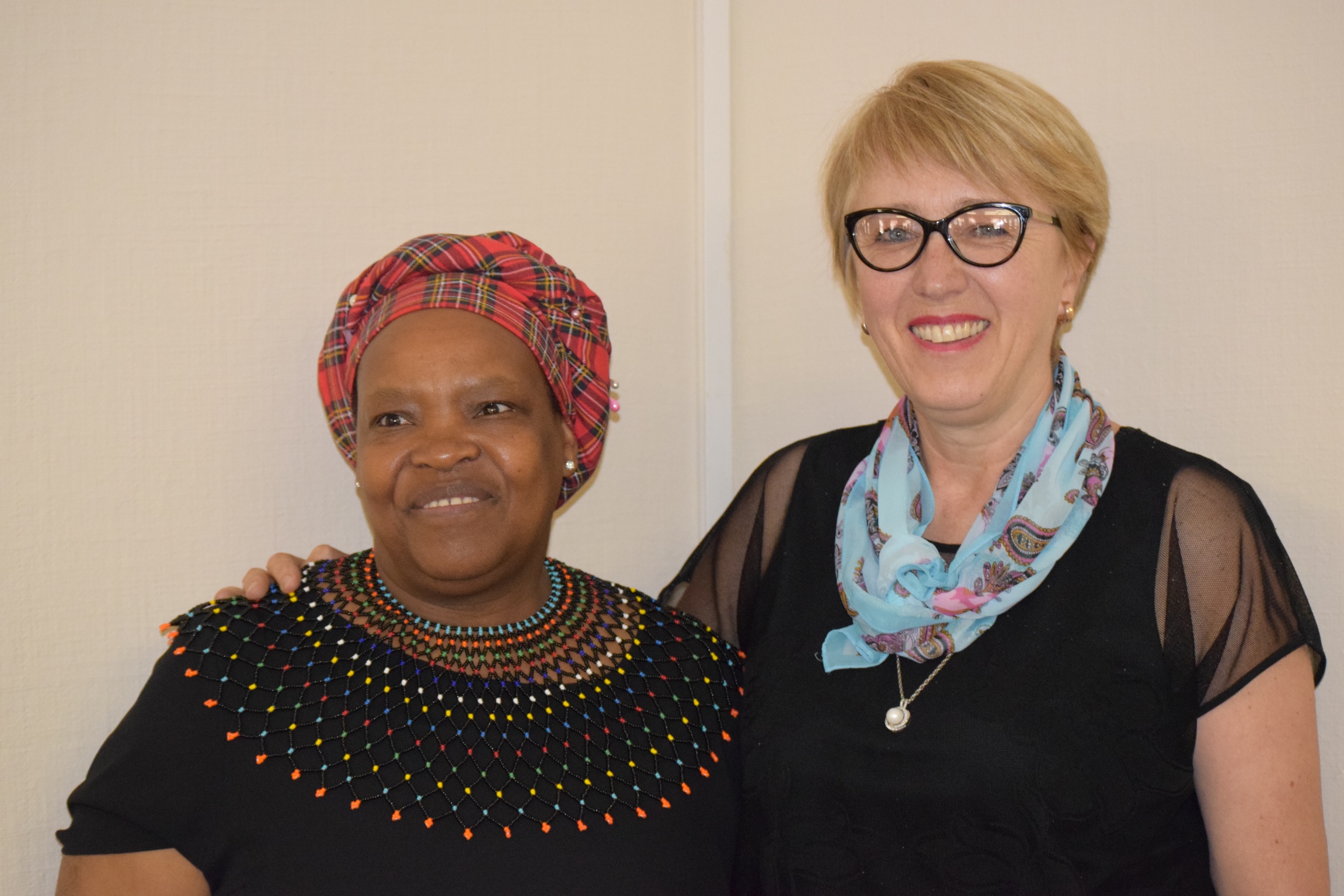
Pictured are Dr Shirley Mogale (University of Pretoria), and Prof. Solina Richter (University of Alberta).
*By Nomshado Lubisi (CHS communications and marketing)
Publish date: 2017-11-08 00:00:00.0
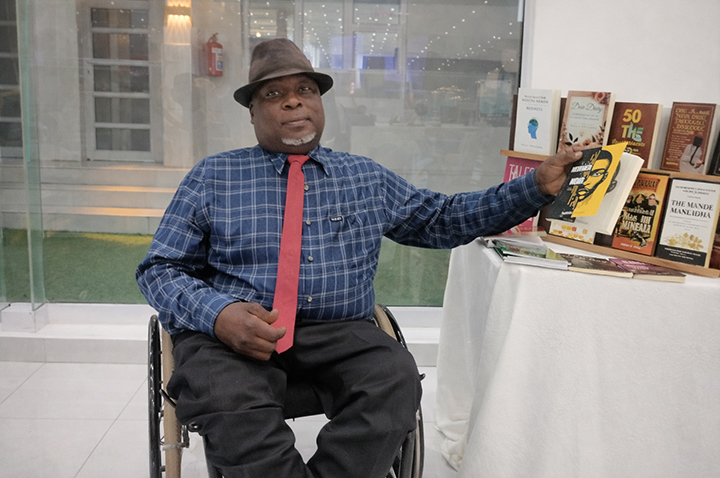 Childhood disability not an impediment for proud Unisa alumnus
 A 1970s vision for global equality remains relevant
 Unisa roundtable highlights the importance of media in an election year
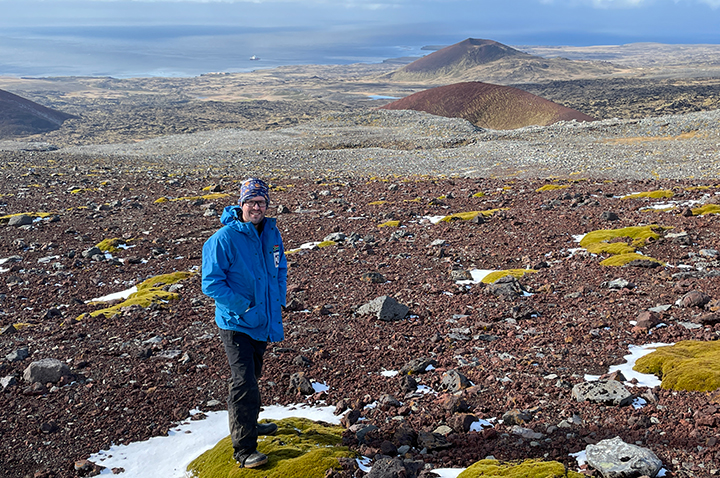 Marion Island: The Unisa connection
 Unisa hosts Eighth Post-Budget Dialogue on fiscal policy and sustainable transformation