

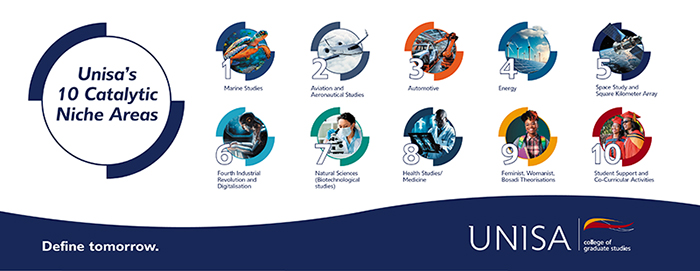
The College of Graduate Studies' 2026 Catalytic Niche Area (CNA) programme is continuing to shift the university's research culture from isolated disciplinary work toward meaningful synergies. With 40 sessions planned for this year, the programme is designed to fit seamlessly into busy academic schedules while offering renewed focus on interdisciplinarity, societal impact, emerging scholars and future-oriented thinking.
Led by Prof Jessica Murray, the CGS Catalytic Niche Area Optimisation Champion, the initiative aims to create structured spaces where colleagues can collaborate, clarify concepts and engage strategically across disciplinary boundaries, offering exciting opportunities for collaboration. "Our goal is to make collaboration possible, intentional and intellectually coherent," she explains.
The sessions are open to all members of the Unisa community, including researchers, academics, professional staff, postgraduate students and postdoctoral fellows from all colleges. This inclusive approach encourages participants to step beyond traditional silos and into spaces of shared inquiry. It facilitates broadening networks, strengthening research identities and uncovering new opportunities within and across CNAs.
Unisa's CNAs span a wide and strategically selected range of knowledge domains that reflect the institution's commitment to fostering vibrant, interdisciplinary research environments. These include Marine Studies, Aviation and Aeronautical Studies, Automotive, Energy, Space Studies and the Square Kilometre Array, the Fourth Industrial Revolution and Digitalisation, Natural Sciences and Biotechnological Studies, Health Studies and Medicine, Feminist, Womanist and Bosadi Theorisations, and Student Support and Co-Curricular Activities. Together, they create a rich landscape of scholarly engagement and offer multiple entry points for researchers to contribute to areas of national and global significance.
* By Hanli Wolhuter, Communication and Marketing Specialist, College of Graduate Studies
Publish date: 2026-05-14 00:00:00.0

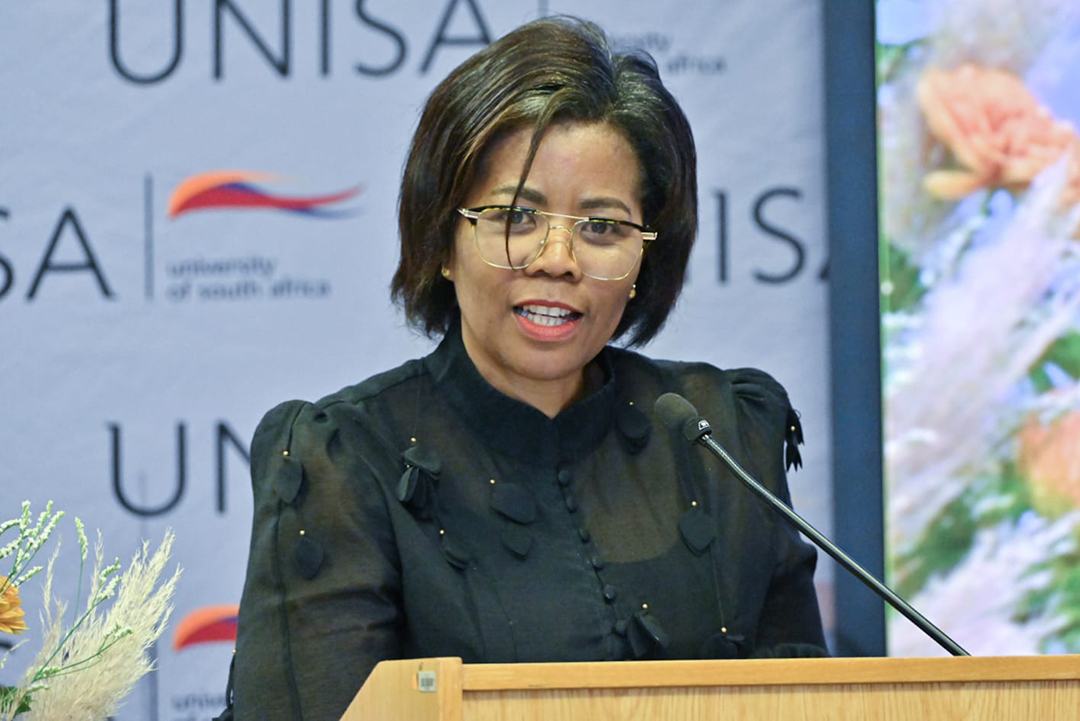 Turning Africa's potential into human possibility: Reflections from 2026 Chief Albert Luthuli Founders' Lecture
 Prof LenkaBula calls for action on public service ills as 25th SAAPAM Conference opens
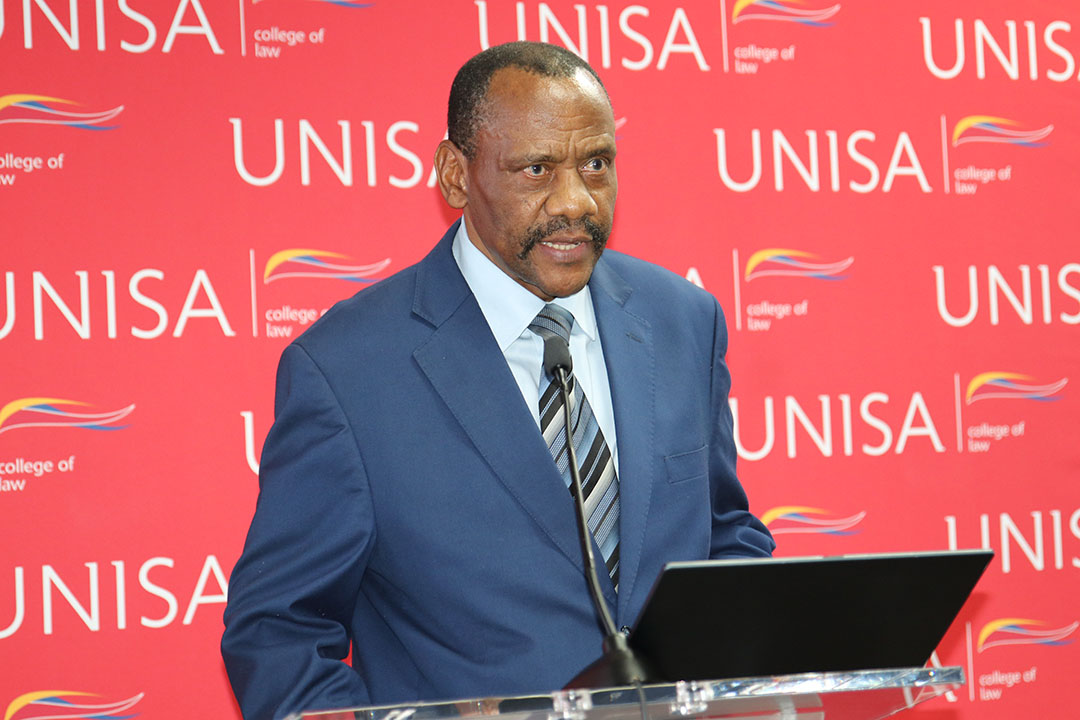 Reimagining justice through Unisa's engaged scholarship
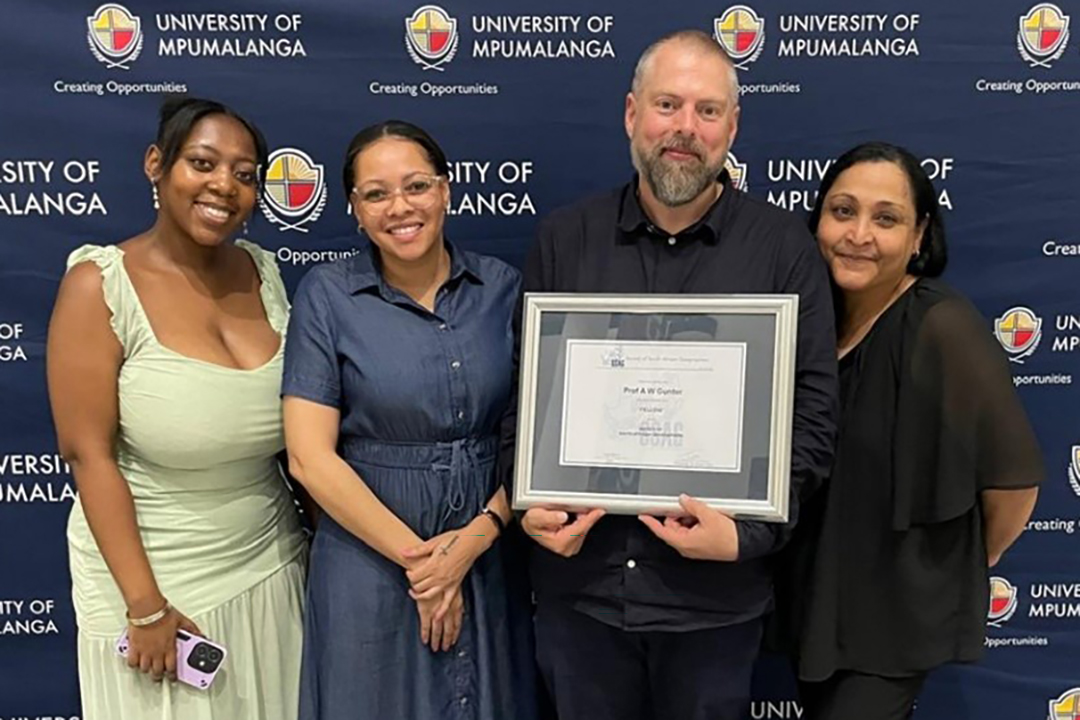 Unisa geographer elected Fellow of the Society of South African Geographers
 Unisa and Harbin Institute of Technology forge academic partnership