News & Events
Unisa mining engineering team earns prestigious industry recognition
There are moments in academia that go beyond publications and presentations, moments that remind us why research truly matters. For the Mining Engineering team at Unisa, this is one of those moments.
In recognition of a remarkable achievement, the group of dedicated Unisa researchers has been acknowledged by the Association of Mine Managers of South Africa (AMMSA), one of the most respected bodies in the mining industry, for their collaborative work with industry. Indeed, two of their research papers, developed in collaboration with Palabora Mining Company (PMC), have not only culminated in awards but have also demonstrated how research can directly improve real-world mining operations.

Dr Carol Madanda
At the centre of this success is the Value Improvement Practice (VIP) team from PMC and the Mining Engineering team from Unisa. Comprising Professor Francois Mulenga, the principal investigator for the Unisa-PMC partnership, known for his expertise in industry-based research in the mining landscape, Dr Tiyani Chauke, known for his work in drone technology, Dr Carol Madanda, a specialist in rock engineering, and Dr Monique Chiloane, an expert in underground mining, the Unisa Mining Engineering team represents a blend of individuals contributing innovation, technical excellence, and passion in their field.
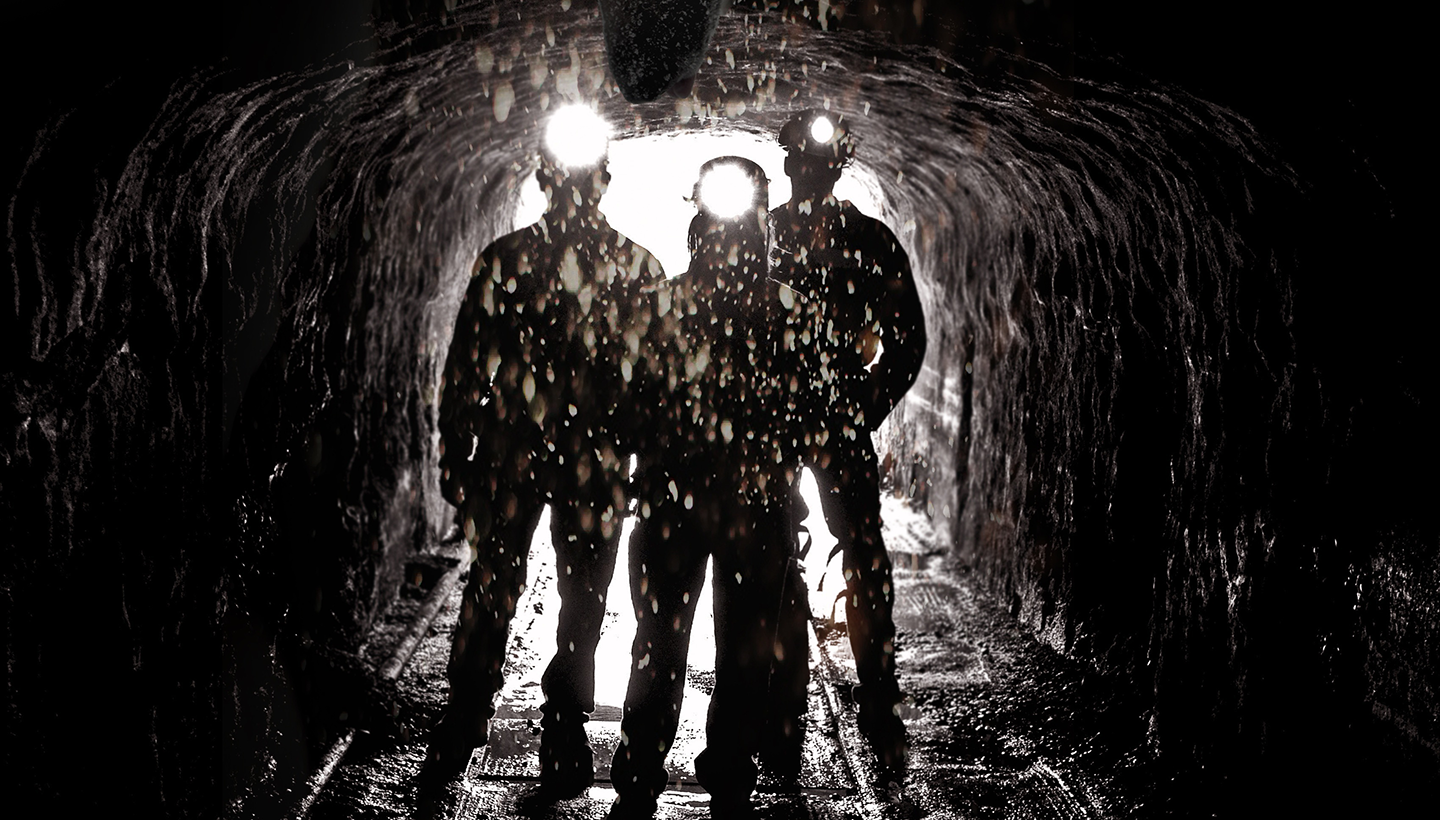
The journey began with a site visit to PMC in the last quarter of 2023. Standing in the presence of massive underground excavations left a lasting impression. What at first appeared to be a routine visit soon sparked questions, curiosity, and eventually a deeper investigation into the complexities of large-scale mining environments.
With a partnership between Unisa and PMC already in place, the collaboration grew naturally. What started as a draft containing operational insights over time transformed into something much more meaningful. Through careful analysis, scientific rigour, teamwork and persistence, the study evolved into a strong technical paper presented at the AfriRock 2025 conference hosted by the Southern African Institute of Mining and Metallurgy.
The research focused on the development of a large underground crusher chamber, a critical structure in underground mining operations. The team explored how such a massive excavation could be safely developed in a high-stress environment. By combining operational data with advanced geotechnical analysis, they provided solutions and scientific insights that improved both safety and efficiency.
Madanda played a key role in shaping the study's technical direction, ensuring it moved beyond description and made a deeper scientific contribution. The work reflected not just knowledge but also a genuine commitment to understanding and solving the industry challenges inherent to massive mining operations, such as the block cave at PMC.
When the paper, initially presented at the AfriRock 2025 conference, was later awarded a Gold Medal by AMMSA, it was more than just recognition; it was confirmation that the Unisa-PMC collaborative work truly matters. The accolade showed that research conducted within the university can influence industry practices and make a difference where it counts most. This is an embodiment of what Mulenga calls “industry-based research”, that is, research done by academia (i.e., universities) both with industry and for industry. It is research conducted by the university to provide technical support to the mining industry, with a view to improving profit margins, reducing operational costs, and continuously improving efficiency.
Adding to this success, a second paper, focusing on the use of drone technology in monitoring blasting performance during the undercutting of a typical block cave mine, received a Bronze Medal from AMMSA. This achievement highlights the team’s ability to embrace innovation while delivering practical mining solutions aligned with Unisa's strategic intent for industry-based research.
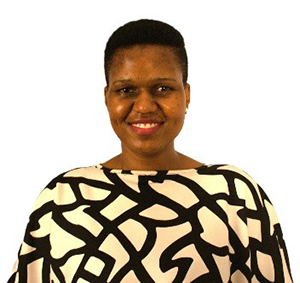
Talent Mushwana
The impact of industry-based research work conducted at Unisa extends beyond awards. Talent Mushwana, a junior lecturer and master’s student in the Department of Mining, Minerals and Geomatics Engineering, has researched the contribution of Varistem® stemming plugs to controlling the level of air blast generated during blasting operations. Her master’s research has subsequently gained recognition by attracting the attention of ERG Industrial (Pty) Ltd, the mine technical services company supplying Varistem® stemming plugs for efficient blasting. This has opened doors for collaboration and training, showing that postgraduate research can lead to real industry engagement.
Looking ahead, there is a strong sense of purpose within the Department of Mining, Minerals and Geomatics Engineering at Unisa. Plans are underway to create more opportunities for postgraduate students to present their work at industry platforms such as AMMSA. The strategic goal is to ensure that student research is seen, valued, and connected to real-world applications in the broad mining sector.
This success story is not just about achievement. It is about growth, collaboration, and contribution to the South African mining industry for competitiveness and sustainability. It is about the belief that when academia and industry come together, something powerful and lasting happens. It is about turning curiosity into impact and ideas into solutions.
The College of Science, Engineering and Technology celebrates Talent Mushwana, Dr Carol Madanda, Dr Monique Chiloane, Dr Tiyani Chauke and Prof Francois Mulenga. Their work is not only being recognised but is also shaping the future of mining. This is just the beginning.
* By Lindelwa Makhanya, Public Relations Practitioner and Administrative Officer, Department of Mining, Minerals and Geomatics Engineering
Publish date: 2026-04-16 00:00:00.0