News & Events
My disability taught me how to walk through life
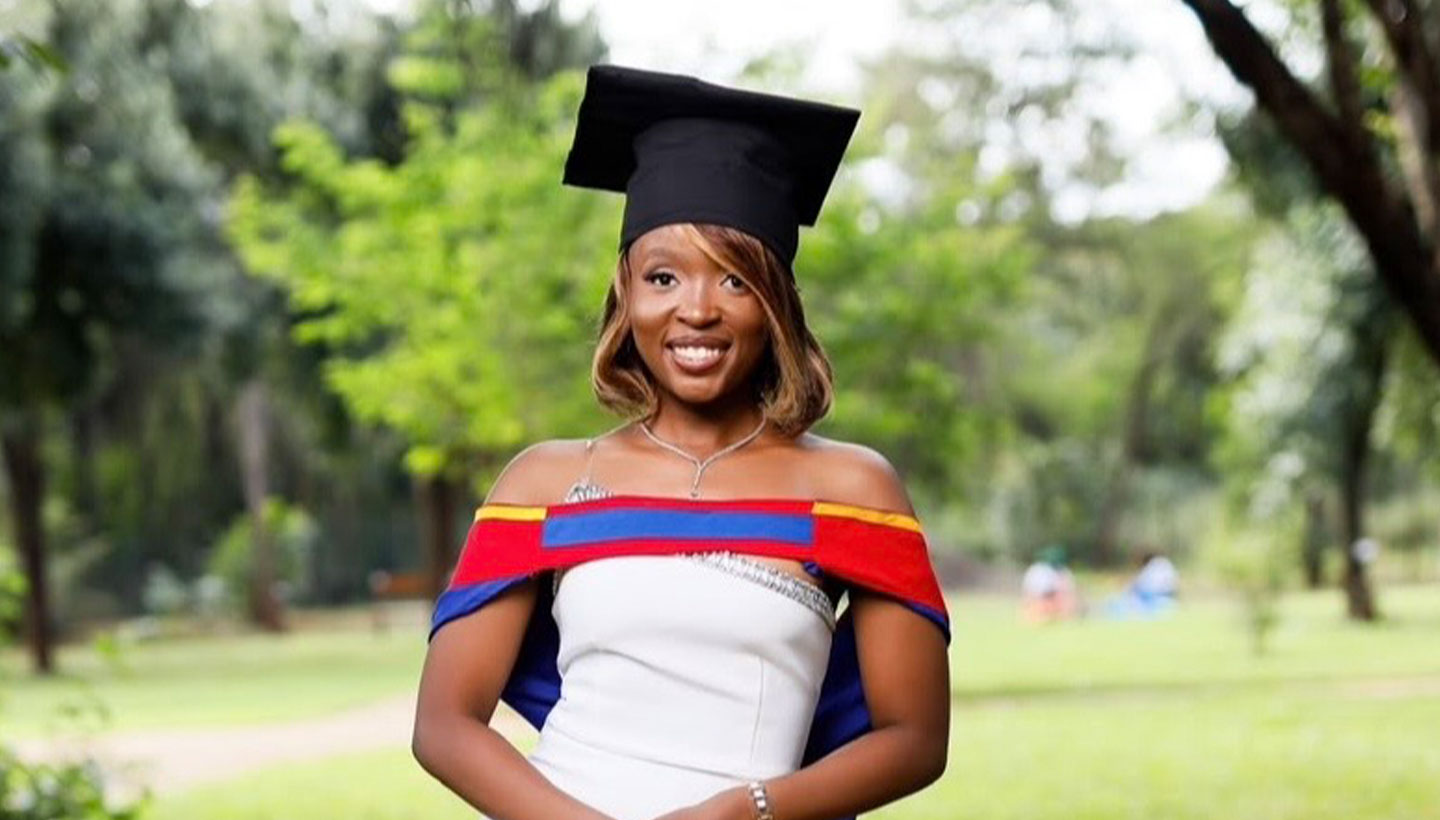
Uadivha Raduheli who was born with a congenital deformity in my left leg.
Growing up, I was loved and cared for by my family. At home, I was simply Uadivha. But things changed when I started school and had to interact with children outside my family.
I remember walking into the classroom and seeing everyone staring at me. Not every learner was unkind, but some would whisper, point and ask questions such as, “What happened to your leg?” Others laughed at me, saying, “Look, she’s wearing uneven shoes.” I did not know how to answer them because nothing had happened to my leg. I was simply born this way.
When I started primary school, I thought it would be just like home, where people knew and accepted me. At school, however, many children saw my leg before they saw me. My Grade R teacher made the experience even more difficult. When other children made fun of me, she did not reprimand them. Instead, she would laugh along with them. I felt that her behaviour encouraged the bullying. She would not even mark my schoolwork.
This continued until my mother noticed what was happening and went to the school. After her intervention, I was moved to another class. I wore an orthopaedic shoe to help balance my body and improve my mobility. But as a young child, I did not understand why I needed it. All I could see was that my shoes looked different from those of other children.
They laughed at me because I wore uneven shoes. It felt unfair. I often wondered why I could not simply wear the same shoes as everyone else. At times, I did not want to wear my orthopaedic shoe because I wanted to fit in. I particularly remember one child telling me, “You walk like a frog.” I cried so much that day. Even now, those words remain in my memory.
The bullying made me dread going to school. Sometimes, I would tell my parents I was sick just so I could stay at home. I wanted to escape the staring, the laughter and the children who made fun of me. Getting around the school was another challenge. There were stairs everywhere, which restricted my movement and made it difficult to move as freely as other children.
In my community, most people accepted me. However, some older people did not understand disability. Coming from a rural village, I encountered the belief that disability was contagious. Some parents would prevent their children from playing with me because they thought they could somehow become disabled by being around me.
Everything began to change when I was about 11 years old. That was when I started accepting myself. I realised that I could not change the way I was born. I could not wake up one morning and suddenly stop limping. This was my leg, and this was my life. From that point on, bullying no longer had the same effect on me. Even when people stared, I stopped allowing it to hurt me. I no longer cried when someone asked what had happened to my leg or made fun of the way I walked. I had made peace with myself.
High school was a different experience. The facilities were accessible, and I did not encounter the same challenges I had faced in primary school. I could move around, learn and participate as a student like everyone else. Today, I am a Bachelor of Social Work graduate. Reaching this milestone would not have been possible without the support of my parents, siblings and extended family. They encouraged me not to give up and helped me build the confidence to believe in myself.
My story is not just about living with a disability. It is about a child who was bullied, who wanted to hide and who sometimes wished she could stay away from school. It is also about learning to accept myself, finding the confidence to face the world and continuing to move forward, one step at a time.
* By Uadivha Raduheli
Publish date: 2026-11-18 00:00:00.0