News & Events
Empowerment beyond barriers: Unisa students with disabilities champion inclusion and success
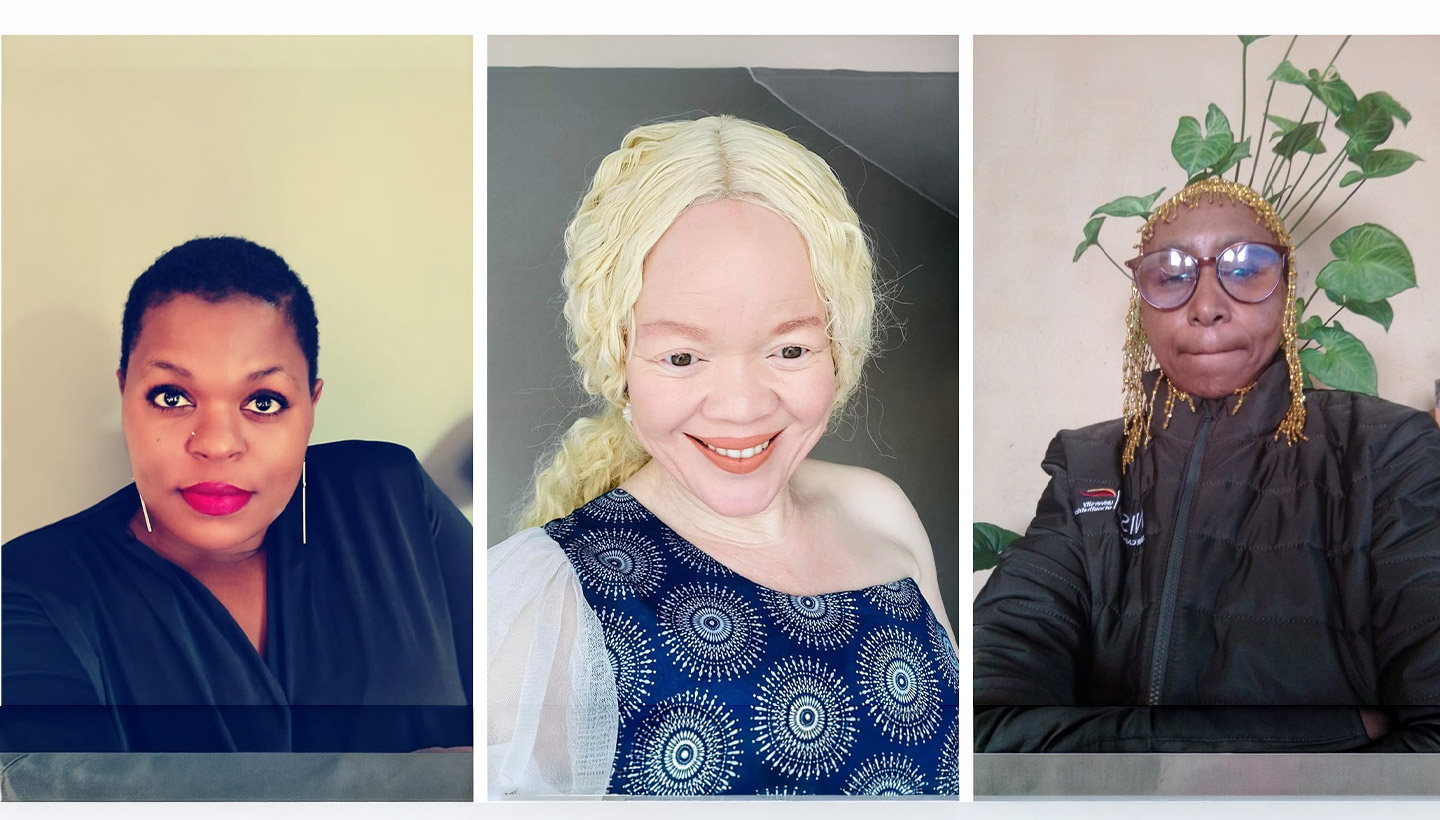
From left: Xoliswa Mngcongo, Mandisa Makunga and Thuthula Sodumo, members of the Disability Forum.
Students with disabilities, university leaders, disability advocates and support specialists gathered in East London for a workshop focused on breaking down barriers and creating greater opportunities for academic success.
Hosted by the University of South Africa’s (Unisa) Counselling and Career Development Directorate (DCCD) East London, in partnership with the Eastern Cape Regional Forum for Students with Disabilities, the 2026 Student Disability Empowerment Workshop was held under the theme, “Empowerment Beyond Barriers: The Power of Students with Disabilities.”
The workshop provided a platform for participants to discuss the challenges faced by students with disabilities and explore practical strategies for strengthening inclusion, improving accessibility and ensuring that students receive the support they need to succeed.
The programme was facilitated by Mr Msimang and Ms Mandla Makunga, who guided participants through the discussions and encouraged meaningful engagement throughout the day.
The event also recognised the contribution of the Eastern Cape Student Disability Forum, comprising Mr Siyavuya Zimase, chairperson, Mr Phikolomzi Khatshele, Mr Lungile Dick, Ms Thuthula Sodumo, Ms Mandisa Makunga and Ms Xoliswa Mngcongo.
The Forum continues to play a role in advancing disability inclusion, advocacy, accessibility and student empowerment across the region.
The workshop opened with a message from Mr Peta, who challenged the perception that disability should be equated with inability.
Participants were reminded that students with disabilities have individual talents, strengths and aspirations, and that institutions have a responsibility to create environments in which those strengths can be developed.
Unisa representatives reaffirmed the university’s commitment to accessible learning, reasonable accommodation and meaningful engagement with students with disabilities.
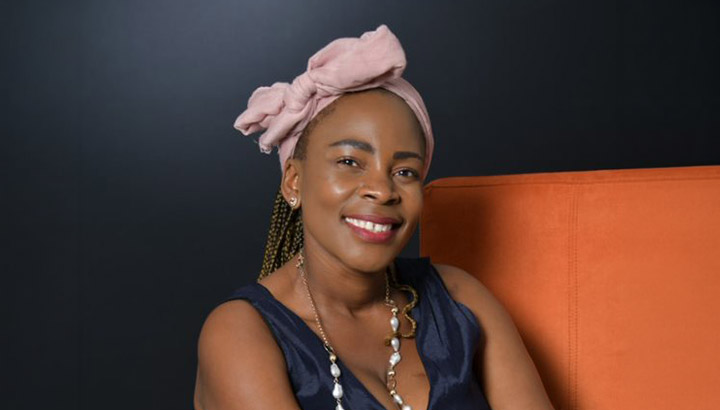
Dr Nozuko Langa – Academic and chairperson for Disability Staff Forum.
The workshop was also framed as more than a once-off engagement. Organisers described it as the beginning of a sustained partnership between Unisa and the Eastern Cape Student Disability Forum, with continued collaboration needed to address barriers affecting students.
A key contribution came from Bheki Nxumalo, Director of the Advocacy and Resource Centre for Students with Disabilities (ARCSWiD), who encouraged participants to shift the conversation from the barriers students face to the opportunities created when students are empowered to participate fully in university life.
Nxumalo acknowledged that students continue to encounter challenges, including inaccessible learning materials, limited digital access, stigma and delays in accessing support services.
However, he emphasised that these barriers should not determine a student’s future or define their potential.
He identified several areas that can strengthen student empowerment, including identity, voice and self-advocacy, knowledge and technology, community support and institutional accountability.
He said meaningful empowerment requires students to move beyond simply navigating institutional systems and to become active participants in shaping and improving those systems.
Technology was another major focus of the workshop, with participants examining how digital and assistive technologies can improve access to education.
Deenadayalan Moodley, an ICT and Accessibility Specialist, delivered a presentation on assistive technology and artificial intelligence (AI), demonstrating how these tools can support students with disabilities in their academic work.
Among the technologies discussed were screen readers, speech-to-text software, captioning tools, AI-powered study assistants and image-description technologies.
Such tools can help students access learning materials, communicate more effectively and participate more independently in academic activities.
The discussion highlighted the growing role of technology in creating more accessible learning environments, while also underscoring the importance of ensuring that students have the knowledge, resources and institutional support needed to use these tools effectively.
The workshop ultimately reinforced a central message: inclusion requires more than removing physical or technological barriers. It also requires listening to students, recognising their capabilities and creating opportunities for them to participate meaningfully in decisions that affect their education.
For Unisa and its partners, the East London engagement provided an opportunity to strengthen that conversation and build a foundation for continued collaboration around disability inclusion and student success.
* By Xoliswa Mngcongo | East London Student Counselling Office
Publish date: 2026-09-22 00:00:00.0